Diplomacy
Kobakhidze Pitches $7bn Infrastructure Plan to UN, Casting Georgia as Hub

September 26, 2026

4
Min
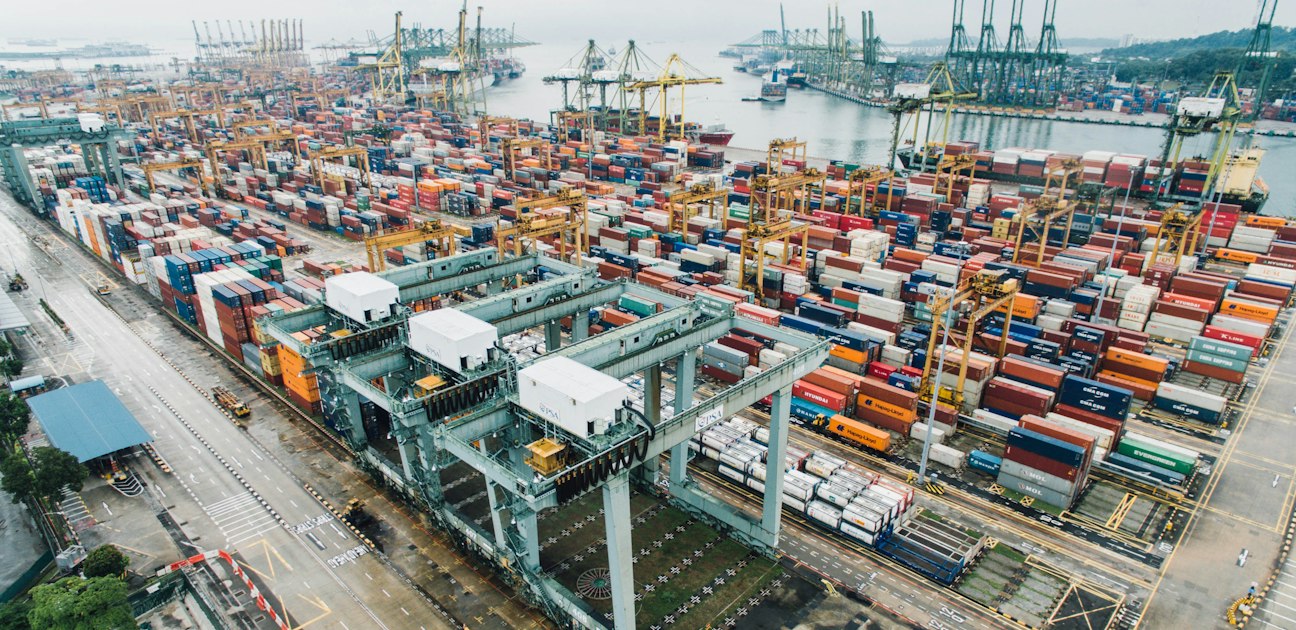
Georgian Prime Minister Irakli Kobakhidze used his address to the 81st UN General Assembly on September 24 to present Georgia as the anchor of the Middle Corridor, backed by a $7 billion infrastructure programme to 2032, AnewZ reported.
Kobakhidze also cited free trade agreements that give Georgian-based producers access to a market of 2.3 billion consumers.
The prime minister paired the infrastructure pitch with macro data: average annual growth of 9.3% over the past five years, 7.9% growth in the first seven months of 2026, and foreign direct investment averaging more than 6% of GDP between 2021 and 2025. He said poverty had fallen from 21.3% in 2020 to 7.1%. The IMF projects Georgia's medium-term growth at around 5.4% a year, among the highest in the region.
Kobakhidze said Georgia is ready to renew relations with any partner on the basis of "mutual respect and sovereign equality", while stating such partnerships "can never be attained through pressure or coercion". He did not name the EU or the United States. Georgia's EU accession process has stalled since late 2024, and Washington has scaled back high-level engagement amid disputes over foreign-agent legislation and the 2024 elections.
He described Georgia as a "bona fide mediator" in the South Caucasus and again raised Russia's occupation of Abkhazia and South Ossetia, roughly 20% of Georgian territory.
The $7 billion figure is a multi-year pipeline, not committed financing. Anaklia illustrates the gap: Georgia switched in July to a landlord model, in which the state builds core maritime infrastructure and foreign operators lease terminals, after the 2026 budget cut Anaklia funding to GEL 50 million. Dredging is under way, but terminal concessions have yet to be awarded.
For logistics investors, the pitch confirms Tbilisi's priorities; the test will be which of the projects secure financing and operators in the next 12–18 months, and whether the political reset with Western partners materialises.
Photo: Unsplash (illustrative)