Business
EU Lines Up €2 Billion for Caucasus Transport as BTK Railway Hits Full Capacity

August 26, 2026

4
Min
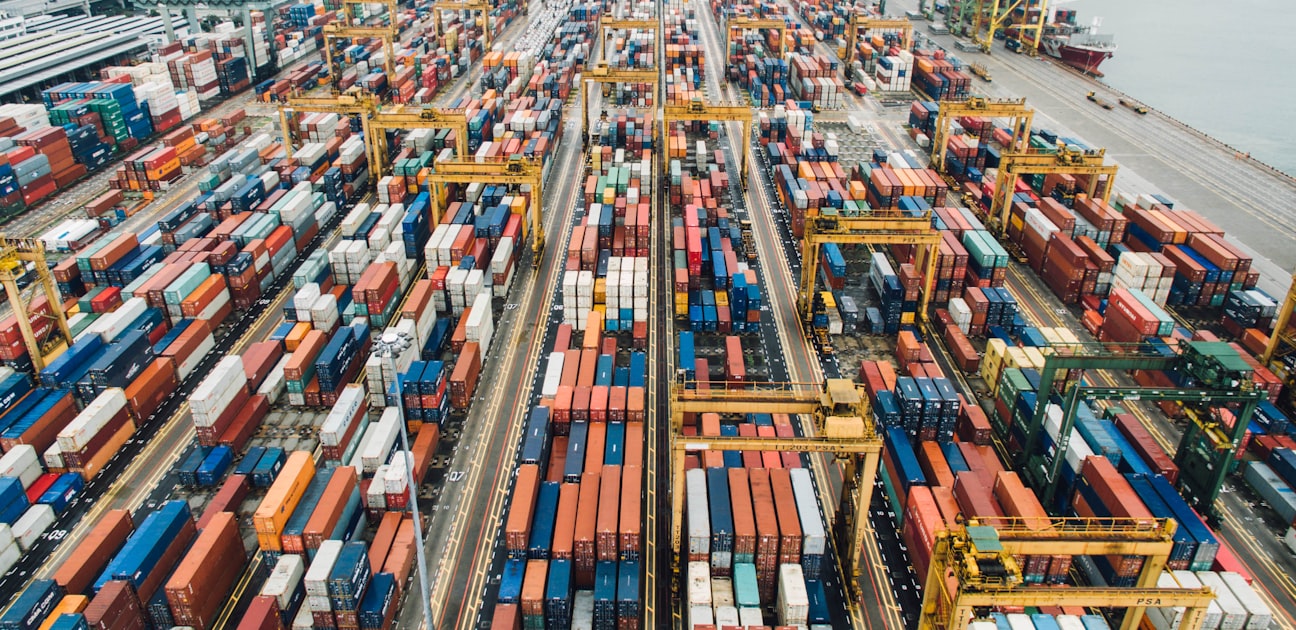
The European Union launched a new transport connectivity platform in August 2026 aimed at linking Europe with Central Asia through the Black Sea and the South Caucasus, with plans to mobilize approximately €2 billion for regional infrastructure alongside international financial institutions, according to reporting collated by AzerNews. EU Enlargement Commissioner Marta Kos said cargo volumes along the Trans-Caspian route could increase fivefold over the next 15 years.
The announcement lands just as the corridor's rail backbone comes fully online. The Baku–Tbilisi–Kars railway entered full commercial operation on June 2, 2026, following completion of modernization work on the 180-kilometre Marabda–Kartsakhi section crossing Georgia and the construction of a bogie-changing terminal built to European standards, per Railway PRO. Annual cargo capacity now stands at 5 million metric tons.
The effects are already visible on the road side: Georgia's transport corridor has handled 9,200 more trucks year-to-date than in the same period of 2025.
Analysts at Jamestown Foundation argue the Middle Corridor is moving from concept to operational reality, with Kazakhstan routing increasing volumes through BTK toward Turkish and European markets. The remaining constraints are Caspian ferry capacity, port throughput at Baku and Georgia's Black Sea terminals, and customs harmonization — precisely the gaps the EU platform is designed to fund.
A fivefold traffic projection over 15 years should be treated as an ambition, not a forecast; corridor projections have historically outrun delivery. But the direction is unambiguous. With BTK modernized, the EU committing convening power and co-financing, and Middle Corridor freight setting records each year since 2022, the South Caucasus transit story is attracting the kind of institutional capital that outlasts any single political cycle. For Georgian and Azerbaijani logistics operators, the question is shifting from whether volumes come to who captures the margin on them.