Diplomacy
TRIPP Company Rules Set: US Runs It, Armenia Keeps a Strategic Say

November 29, 2026

4
Min
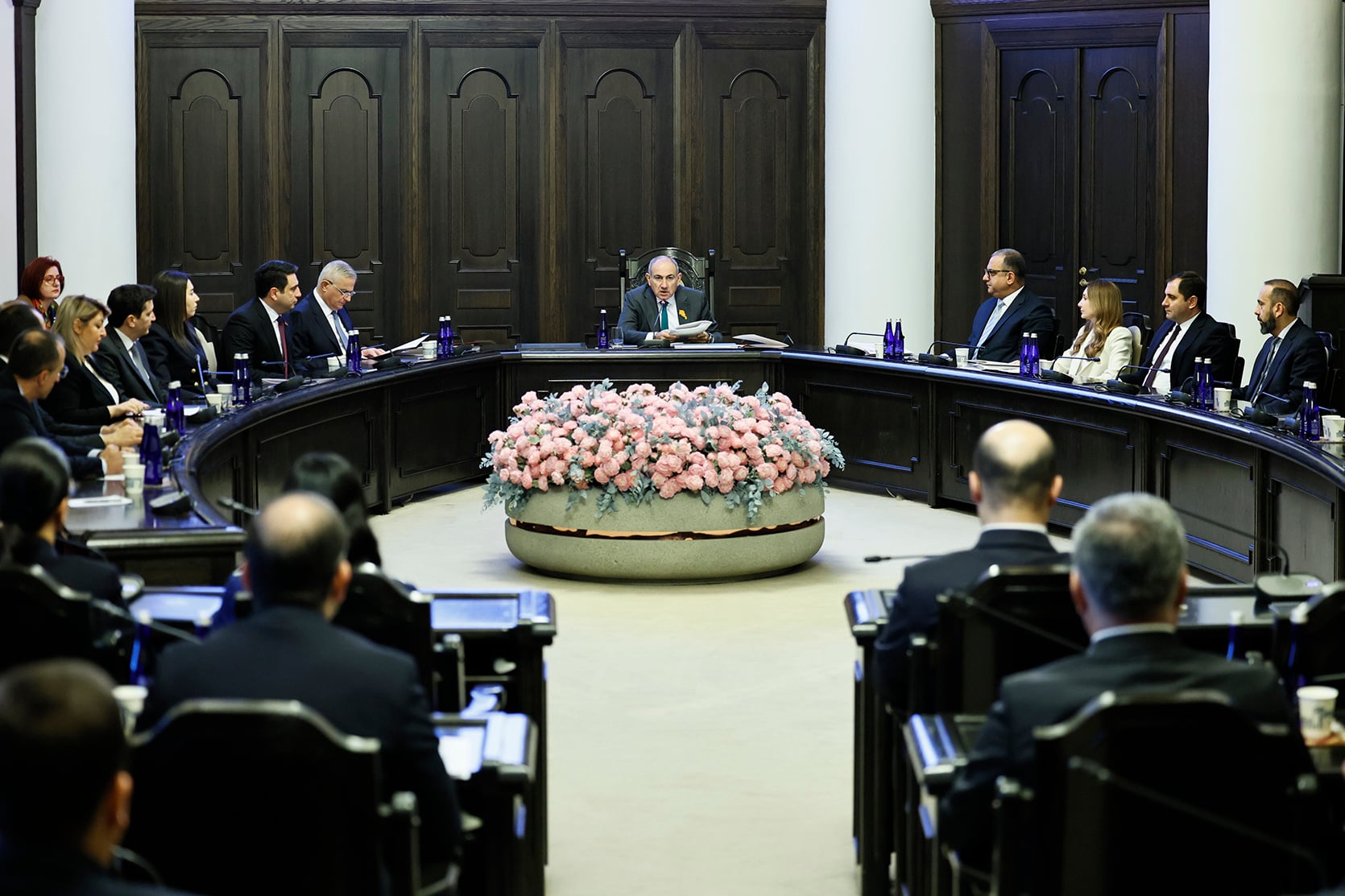
Armenia has settled who will actually run the Trump Route for International Peace and Prosperity. On 26 November the government approved the shareholders' agreement for "TRIPP Development Company" CJSC, the vehicle that will build and operate the route through southern Armenia, and Prime Minister Nikol Pashinyan said it would be signed within a week. Site clearing along the railway section began on 23 November, earlier than the 2027 start CBJ reported in October was then expected.
The governance model follows the ownership. Under the framework agreement Armenia's Constitutional Court cleared in September, the US side holds a 74% stake in the development company. According to Deputy Minister of Territorial Administration and Infrastructure Kristine Ghalechyan, the shareholders' agreement gives the American side the lead role in developing the project, attracting investment and managing the company, while guaranteeing Armenia's participation in strategic decisions and legal mechanisms to protect the state's economic interests.
The agreement also sets out how investors will be selected and how concessions will be granted and managed. That is the part that turns a political framework into something a contractor or lender can price: who decides, who signs, and on what terms.
Yerevan is not waiting for the company to exist. Pashinyan said the government is already doing the design work for roads, highways, the railway and power transmission lines, and will hand those tasks to the development company once it is registered "so that they can continue from where we left off, ensuring minimal loss of time." He called TRIPP "the largest economic project since independence."
The sequencing matters for investors. A company that inherits design work and a prepared site can go to tender faster than one that starts with a blank map, and the Armenian state carries the early-stage cost and risk until the handover. CBJ reported a week earlier that the government had said the route was entering its practical implementation phase; the shareholders' agreement is the legal step that makes that claim concrete.
At the same session the government also extended its cashback programme for non-cash payments to 31 December 2027, according to the Prime Minister's office.
Control and accountability can pull apart. With the US side managing the company and Armenia holding strategic rights, disputes over investor selection or concession terms will test how clearly "strategic decisions" are defined in the text, which has not been published. Security around Armenia's southern border, which delayed the project earlier this year, remains outside either shareholder's control. And early works by the state create costs that will need to be valued when they are transferred.
The full text of the shareholders' agreement, the board composition and any capital commitments by either side have not been made public. The description of the governance model here is based on the Deputy Minister's summary at the Cabinet meeting.
The signing of the agreement, expected within a week of 26 November, and the registration of TRIPP Development Company in Armenia. After that, the first investor selection or concession announcement will show how the 74/26 split works in practice. More on the route's place in regional trade on our Armenia hub and Middle Corridor hub.
Photo: Office of the Prime Minister of Armenia (primeminister.am), CC BY-ND 3.0