Energy
Armenia Aims to Pick New Nuclear Unit in 2027

November 29, 2026

3
Min

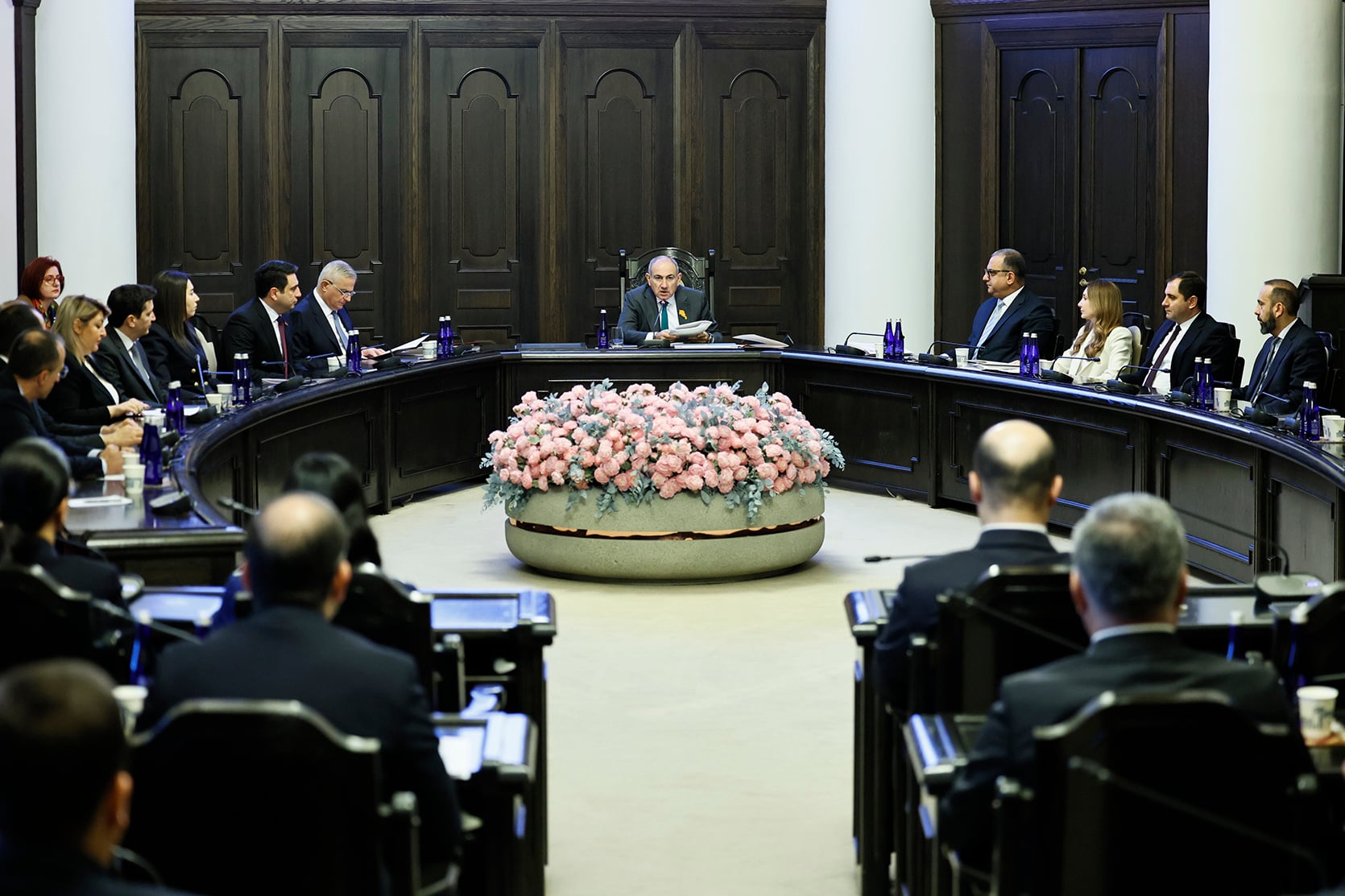
Armenia hopes to know by 2027 which reactor will replace its only nuclear power plant, Prime Minister Nikol Pashinyan told a meeting of the Council on Nuclear Energy Safety on Saturday 28 November, according to ArmInfo, as published by Finport. "Work is underway to select a new nuclear power unit, and we hope that clarity on this issue will be achieved in 2027," he said, as quoted by the agency.
The timetable matters because Armenia runs a single reactor, at Metsamor, and the country has to manage two decisions at once: keeping the ageing unit running, and choosing its successor.
Pashinyan said the design life of the plant's second unit expired in 2016 and was extended by 10 years, and that it will now be extended a second time, from 2026 to 2036. The government has allocated $160 million from the state budget for that work, and about 60% of it is done, ArmInfo reported. Davit Khudatyan, Minister of Territorial Administration and Infrastructure, told a parliamentary committee that a budgetary loan of 63.2 billion drams had been allocated to the plant for the second extension programme, according to Armenpress.
The unit is a 376 MWe VVER reactor that restarted in 1995 at a plant first brought into operation in 1980, World Nuclear News reported in September, adding that Rosatom has described a further extension from 2036 to 2046 as technically feasible, at a cost that could reach hundreds of millions of dollars.
The choice of a new unit is open. When Pashinyan received Rosatom Director General Alexey Likhachev on 29 September, the Russian side presented proposals including small and medium capacity units, and Pashinyan said the decision would rest on economic grounds such as price, quality, safety, timelines and guarantees, according to the Prime Minister's office. Rosatom has offered a unit based on its VVER-1000 design, while Khudatyan has said Armenia is reviewing modular reactor proposals from Russia, the United States, France, China and South Korea, World Nuclear News reported. CBJ has covered Armenia's parallel talks with the United States and the extension of unit 2 to 2036.
Saturday's meeting drew nuclear specialists from Russia, the United States, France, the Czech Republic and Finland. Council Chairman Miroslav Lipar said Armenia was preparing an important decision on a new plant. "These decisions will undoubtedly determine the country's energy future for the coming decades," he said, according to ArmInfo.
The two tracks are linked. Every year the old unit runs safely buys time for a choice that will shape Armenia's energy and foreign policy for decades, but each extension also needs fresh state money. With 60% of the current programme reportedly complete, the 2036 horizon looks within reach. The harder question is whether a 2027 choice leaves enough time to license, finance and build a replacement before then, or whether a third extension to 2046 becomes the default.
A shortlist of vendors and a financing model for the new unit, and any formal decision on extending the current unit beyond 2036.
Sources: ArmInfo via Finport; Office of the Prime Minister of Armenia; World Nuclear News; Armenpress.
Image: Caucasus Business Journal archive, via caucasusbusinessjournal.com