
Diplomacy


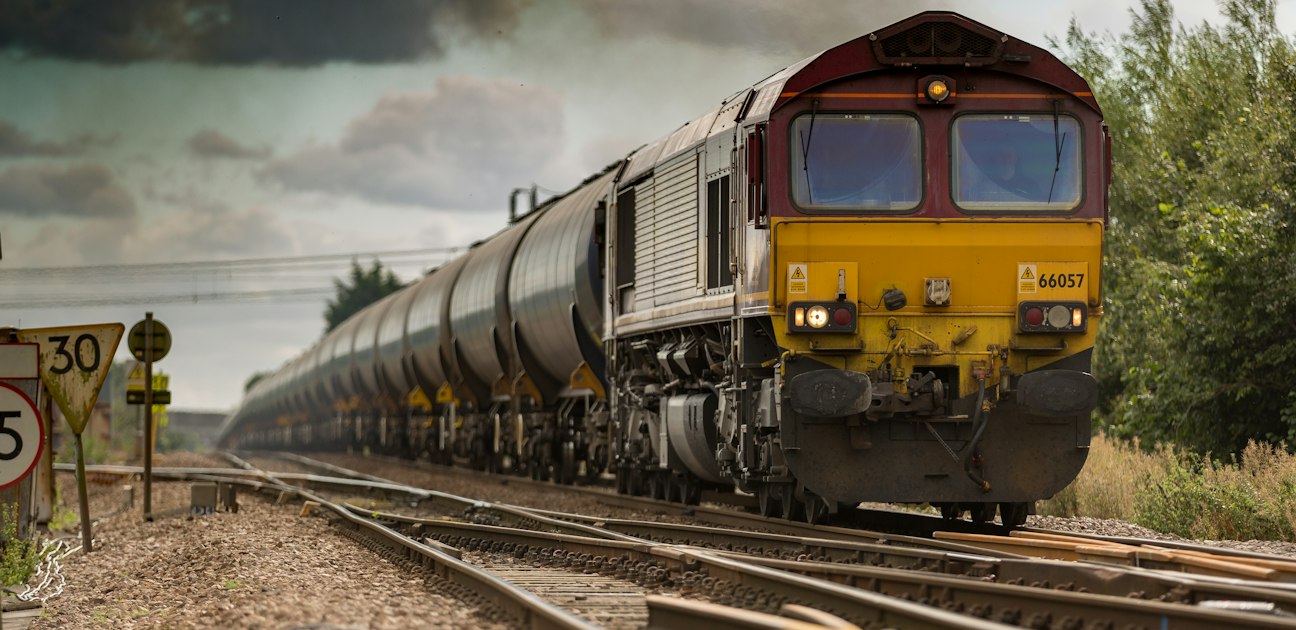
The Trump Route for International Peace and Prosperity (TRIPP), the roughly 40-kilometre stretch across Armenian territory meant to link mainland Azerbaijan with its Nakhchivan exclave, has still not broken ground more than a year after the Washington agreements that created it. An analysis published on October 9 by Suren Sargsyan, director of the Armenian Center for American Studies, argues that geopolitics, not engineering, is now the binding constraint.
TRIPP is the shortest missing segment of the Middle Corridor, the trade route connecting Central Asia to Europe through the Caspian and the South Caucasus. It would give Baku a direct overland link to Nakhchivan without transiting Iran, and it would open Armenia to regional trade after decades of closed borders. The normalisation process was launched by the Trump administration in August 2025, when Armenia and Azerbaijan signed the Washington agreement with direct US mediation.
According to Eurasianet, which carried the analysis, Washington has allocated funds, set up a dedicated vehicle and appointed a project manager, yet no construction has started in Armenia. Azerbaijani President Ilham Aliyev has said works on Armenian soil may begin in early 2027, a timetable that leaves little room for further slippage.
Two external factors stand out. The first is Iran. The US-Israeli war with Tehran has heightened security concerns along the route, which runs close to Iran's northern border, and Iran has publicly opposed the project. The second is Russia. Armenia's railway network is operated under concession by Russian Railways, whose head reportedly cited about $400 million in Russian investment. Sargsyan reads that figure as either a demand for compensation or a bid for a seat at the table.
The commercial case for the corridor remains strong. Azerbaijan's Economy Minister Mikayil Jabbarov told the CAMCA Regional Forum in Baku on October 1 that, based on a 2023 World Bank assessment, Middle Corridor trade could roughly triple and transit times could be halved by 2030, provided investment and efficiency measures follow, as reported by Trend. Baku has also set a $20 billion trade target with Central Asia, and a Trans-Caspian fibre-optic line with Kazakhstan is expected to come online shortly.
For investors and logistics operators, the signal is mixed. The political framework is in place and funding is earmarked, but the project's critical path now runs through US-Iran negotiations and a possible US-Russia understanding on compensation or participation in Armenia's rail concession. Sargsyan concludes that Yerevan and Baku have limited ability to move the project forward alone.
Beyond the rail link itself, the delay matters for the wider regional agenda. Armenia's hopes of diversifying its trade routes, Azerbaijan's plan to connect Nakhchivan more efficiently, and Washington's effort to anchor its presence in the South Caucasus all depend on visible progress on the ground, not only on signed documents and allocated budgets.
Companies planning around Middle Corridor capacity should treat 2027 as an optimistic start for civil works rather than a firm date, and watch two indicators: any announcement on the Russian Railways concession, and progress in US-Iran talks. Until either shifts, the corridor's gains will keep coming from existing routes through Georgia and the Caspian rather than from the new Armenian link.