Finance
Armenia's Reserves Hit Record $6.5 Billion as Growth Reaches 7.7%

September 22, 2026

4
Min

Armenia’s gross international reserves expanded to a record $6.5 billion in August, equivalent to 4.3 months of import cover, underpinned by remittance and capital inflows, according to the World Bank’s Armenia Monthly Economic Update for September 2026.
The reserve build sits on top of an economy that has outrun its own forecasts. Cumulative economic activity rose 7.7% year on year in January-July, which the World Bank described as exceeding initial projections, even as the monthly rate moderated to 6.5% in July from 7.4% in June.
Net non-commercial money transfers rose 40% year on year in July from a low base, driven largely by continued inflows from Russia, up 37.3%, and the sustained influx of Russian nationals into Armenia.
Those flows supported the dram, which strengthened 0.4% against the dollar and 1.1% against the euro month on month in August, and is 4.6% stronger against the dollar than a year earlier. It depreciated 8.6% year on year against the rouble.
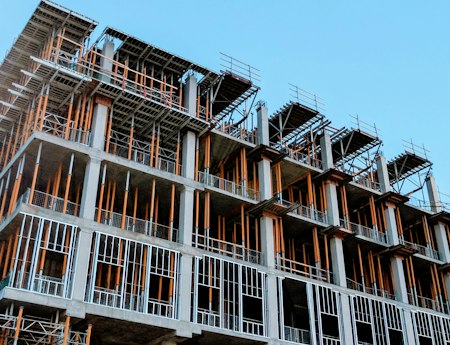
Growth composition is narrower than the headline implies. Construction expanded 26.5% and non-trade services 17%, while industrial output grew only 3.1%. Strong mining growth of 14.4% and manufacturing growth of 5.9% were largely offset by a 24.5% contraction in electricity and energy caused by the temporary shutdown of the Armenian Nuclear Power Plant for planned maintenance.
Exports contracted 15.7% year on year in July while imports rose 21.5%. The export decline was driven by a 66.2% drop in precious and semi-precious stones; stripping out that re-export item, exports grew 6.8%, led by minerals.
Agricultural exports fell sharply, with vegetable products down 52.2% and agriproducts down 15.2%, after Russia tightened restrictions on Armenian agri-food imports from April 2026, banning around 130 EAEU quarantine goods from 12 June and fish products from 26 June.
Over January-July, exports fell 7.9% and imports rose 7.7%, widening the trade deficit to 10% of estimated annual GDP, partly offset by services and income accounts.
The budget recorded a deficit of 0.3% of estimated annual GDP in July, but cumulatively through July it remains in surplus at 0.3% of GDP, a significant divergence from the planned full-year deficit of 4.3%. Revenues grew 16.3%, with VAT and income taxes each up around 16%.
The gap is explained partly by underspending on investment: capital spending reached only 33% of the annual budget plan by end-July, signalling material delays in public investment. Health spending ran the other way, up 76.1% year on year in July and reaching 82% of the annual plan. Government debt stood at 41.3% of GDP and is expected to rise through year-end.
Banking indicators are sound. The capital adequacy ratio held at 20.4% and non-performing loans were stable at 1.4%, with a loan-to-deposit ratio of 1.07.
Inflation eased to 4.4% in August from 4.5%, above the Central Bank’s 3% target. The bank held its rate at 6.5% on 4 August before raising it 0.25 percentage points to 6.75% on 15 September, its first increase in more than three years, with Chairman Martin Galstyan citing increased domestic demand.
The reserve record is real, but it rests on transfers from Russia and on a construction cycle rather than on export competitiveness. Both are reversible.
Photo: Unsplash