Business
Uzbek Investors Target Afghan Lead and Zinc Mines as Bilateral Trade Forum Deepens Ties

July 28, 2026

3
Min
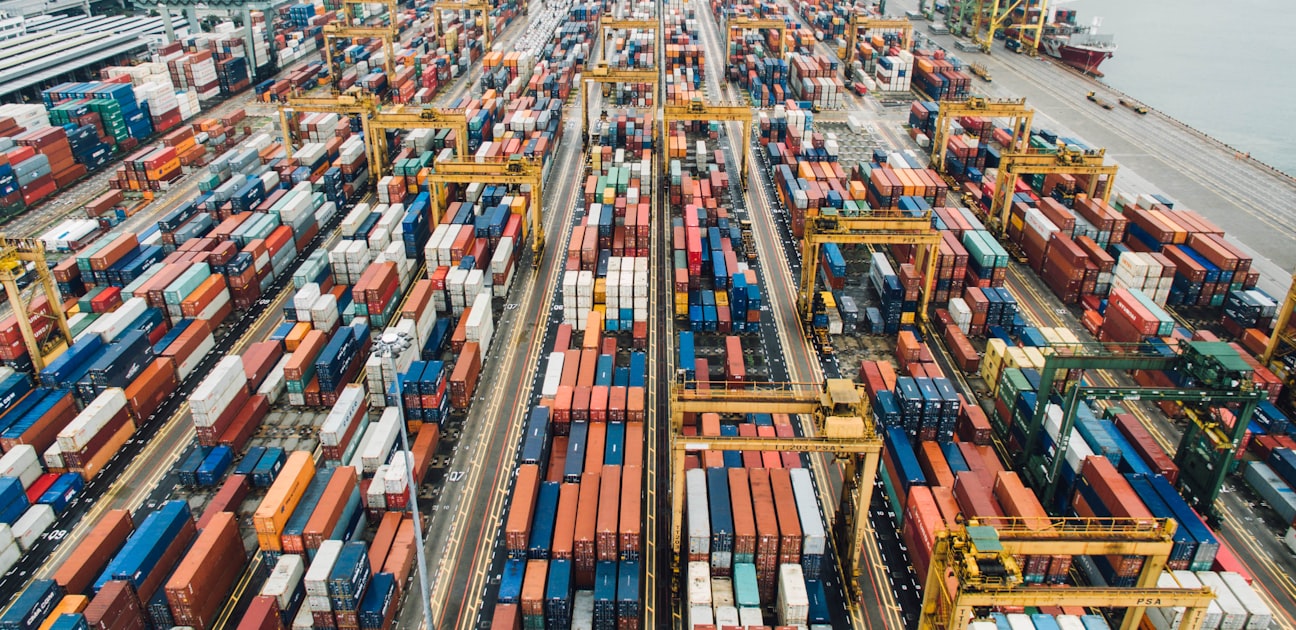
Uzbek business leaders have set their sights on Afghanistan's lead and zinc deposits, using a bilateral forum in Uzbekistan's Syrdarya Province this week to press for equity in the country's mines and for a jointly built minerals processing plant. More than 100 Afghan business representatives, led by Afghanistan Chamber of Commerce and Investment (ACCI) chairman Sayed Karim Hashemi, met hundreds of Uzbek counterparts, marking one of the most concrete signals yet that Tashkent intends to move beyond transit trade and into extractive-sector ownership across its southern neighbour.
The gathering lands at a moment of rapidly thickening commercial traffic between the two states. In the first half of 2026, 205,937 Afghan citizens travelled to Uzbekistan for business purposes, the highest total recorded from any single country, according to figures presented at the event. That flow underscores how Afghanistan has become an outsized commercial partner for Uzbekistan even amid the political isolation of the Taliban-led administration, and it gives context to why Uzbek firms are now willing to underwrite capital-intensive mining ventures rather than confine themselves to lower-risk import and export activity.
The specifics matter. Rather than simply buying ore, the Uzbek delegation expressed interest in investing directly in Afghanistan's lead and zinc mines and in establishing a processing facility on Afghan soil, a value-added step that would keep more of the supply chain inside the region. Abdul Halim Adel, chief of staff at Afghanistan's Ministry of Mines and Petroleum, joined Hashemi in fielding the proposals, which also touched on agriculture, industry and transit. Hashemi pointed to cotton cultivation and textile manufacturing in Helmand Province as candidate joint ventures, per anewz.tv.
For investors and regional watchers, the mining angle is the genuinely new thread. Central Asian capital has poured into logistics, energy and manufacturing over the past two years, but direct Uzbek stakes in Afghan base-metal extraction would open a fresh channel of cross-border deployment and tie the two economies together at the resource level. Uzbekistan itself is riding a strong macro tailwind, with GDP expanding 8.5 percent in the first half of 2026 and Moody's lifting its sovereign rating to Ba2, giving Tashkent's firms both the balance sheets and the confidence to shoulder frontier-market risk. A processing plant, if realised, would also position Uzbekistan as a refining hub for metals that might otherwise transit to more distant markets, as noted in coverage carried by AnewZ.
Execution risk remains considerable. Afghan mining has long been hampered by security concerns, unclear title, sanctions exposure and thin infrastructure, and any lead or zinc venture would need financing structures that skirt those constraints. Still, the forum signals intent backed by real bodies and named ministries, not just rhetoric. If even a fraction of the interest converts into signed concessions, the Uzbek-Afghan corridor could evolve from a passenger-heavy trade route into an integrated resource and manufacturing partnership, adding a new dimension to Central Asia's fast-shifting economic map through the second half of 2026.