Energy
TotalEnergies, SOCAR and XRG Sanction Absheron Gas Field Expansion


4
Min
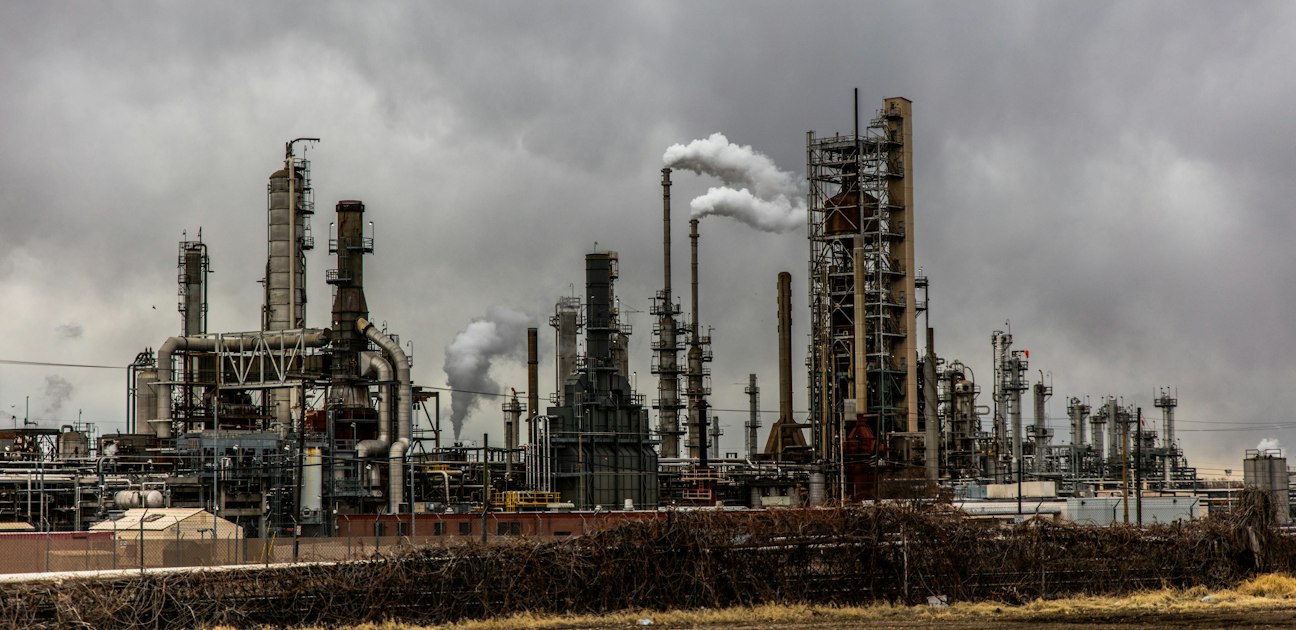
TotalEnergies, Azerbaijan's SOCAR and ADNOC's investment arm XRG have taken a final investment decision on the full-field development of the Absheron gas and condensate field in the Caspian Sea, a project the partners say will more than triple output from the field currently producing under Phase 1. TotalEnergies operates the field with a 35% stake, matched by SOCAR's 35%, while XRG holds the remaining 30%.
Absheron sits roughly 100 kilometres southeast of Baku and holds an estimated 140 billion cubic metres of recoverable gas. Phase 1, onstream since 2023, produces 1.5 billion cubic metres of gas and 12,000 barrels per day of condensate annually. The newly sanctioned full-field phase will lift total gas production to 6 billion cubic metres a year alongside 47,000 barrels per day of condensate, with first gas targeted for 2029.
TotalEnergies chief executive Patrick Pouyanné called it "a low cost and low emissions project," pointing to a fully electrified onshore processing plant and a Scope 1 and 2 emissions intensity below 4 kilograms of CO2 equivalent per barrel of oil equivalent — among the lowest of any major gas development in the Caspian basin. Gas from the expanded field will supply Azerbaijan's domestic market and flow to Turkey, while condensate will move west via the Baku-Tbilisi-Ceyhan pipeline, according to TotalEnergies' announcement.
The sanctioning lands days after Azerbaijan's second International Investment Forum in Baku drew more than $10 billion in fresh commitments, reinforcing a pattern of foreign capital returning to the country's upstream sector even as Baku pushes to diversify beyond hydrocarbons. XRG's push into Absheron follows a separate build-out of its Africa portfolio, and SOCAR has used similar joint-venture structures to spread capital risk across its offshore fields, most recently detailed by Report.az. For investors, the deal signals continued confidence in Azerbaijan's gas reserves as a European supply option even as the country's non-oil sector expands.
With Phase 2 construction now cleared to proceed, attention turns to how quickly SOCAR and its partners can mobilise contractors for the roughly three-year build. A steady ramp to 2029 would keep Azerbaijan's total gas exports on trend with the volumes it has pledged to European buyers under existing supply agreements, adding a new pillar of production just as several of the country's older fields enter natural decline.
The decision also lands against a backdrop of credit-rating stability for SOCAR, which Fitch recently affirmed at BBB- while projecting roughly AZN 4 billion in annual capital expenditure through 2030 — a level that leaves room for Absheron alongside the company's renewables push and its recently closed 760-megawatt solar financing with Masdar. Analysts tracking Azerbaijan's energy sector say the combination of steady credit metrics and multiple simultaneous upstream and renewable commitments points to a balance-sheet strategy built on spreading capital across partners rather than concentrating exposure in any single project.