Business
The Caucasus Is Pouring Concrete: Construction Data Points to a Building-Materials Upswing

August 27, 2026

5
Min
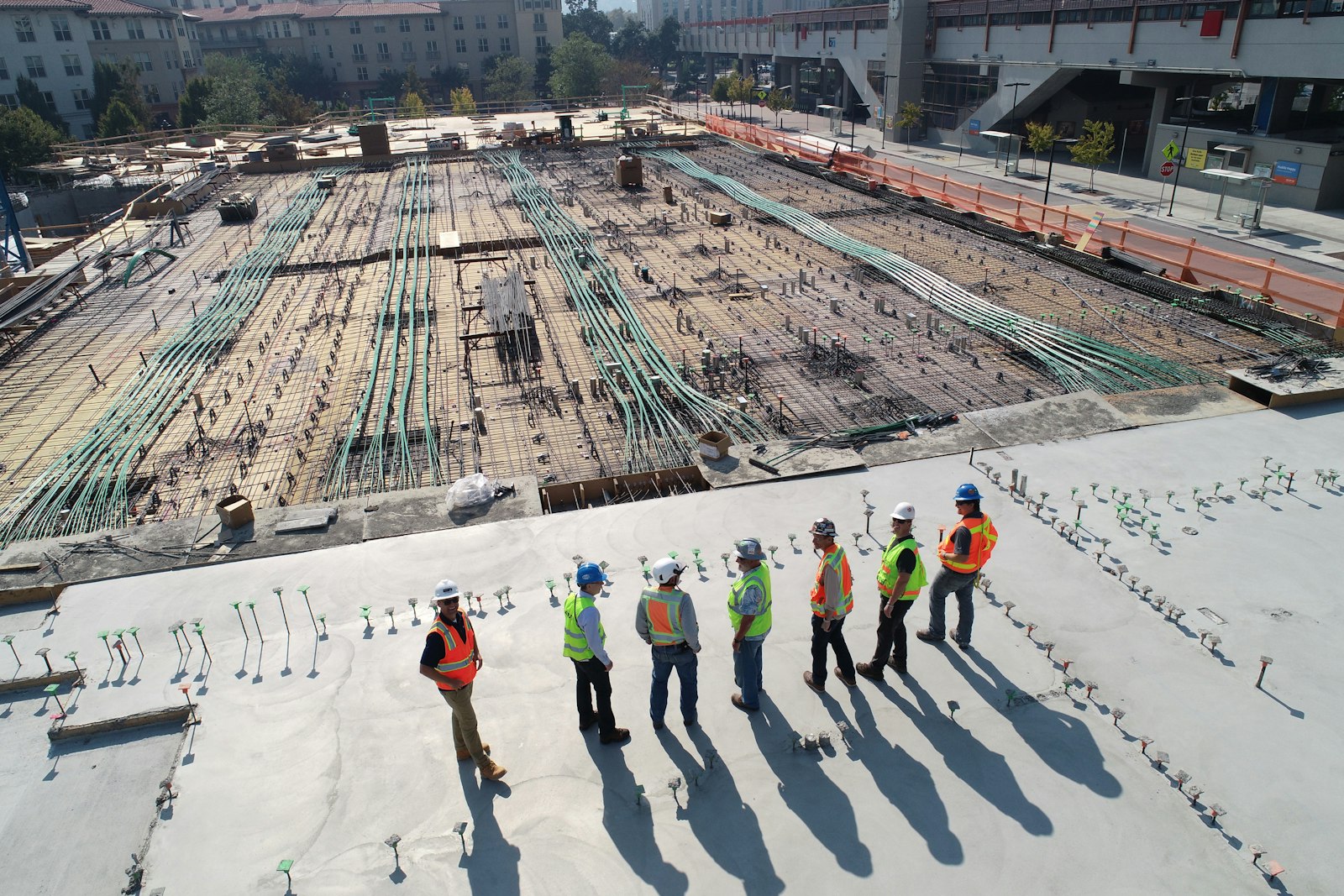
The most consistent thread running through this summer's South Caucasus economic data is not gas exports or transit volumes. It is concrete. Across all three economies, construction has quietly become the demand engine - and that has consequences for the region's building-materials industry that markets have barely priced.
Armenia's economic activity grew 6.5 per cent in July, with construction the standout contributor, while Yerevan apartment prices accelerated through the first quarter. Azerbaijan has committed $152 million to Nakhchivan as TRIPP-linked railway works advance, on top of a green-energy zone build-out in the exclave. Georgia's economy expanded 7.9 per cent in the first half, with EU-backed transport spending in the pipeline.
Add the corridor projects - TRIPP's engineering surveys in Syunik, the Anaklia port reset, BTK capacity works - and the region has assembled an unusually deep queue of concrete-intensive projects scheduled into 2027 and beyond.
Cement is the constraint to watch. It is heavy, low-value-to-weight, and expensive to import overland - which is why regional producers matter disproportionately. The largest of them, Azerbaijan's Norm - part of NEQSOL Holding - anchors supply on the Caspian side, while Armenian and Georgian plants serve their home markets with import competition from Iranian and Turkish clinker at the margins.
A sustained corridor-construction cycle would tighten that balance. Rail, port and energy-zone works consume cement in volumes residential construction does not, and simultaneous public programmes in all three countries would test regional kiln capacity for the first time since the pipeline-construction era.
Construction cycles are the most volatile component of emerging-market growth, and the queue is not guaranteed to convert: TRIPP's Armenian section has no construction start date, Anaklia's funding model was just restructured, and energy costs - a major input for cement kilns - remain exposed to regional price swings. Import competition can also blunt any pricing upside quickly, particularly where Iranian clinker lands cheaply.
Still, the direction is hard to miss. For two decades the South Caucasus exported energy and imported nearly everything else. The current data suggest the next phase of growth will be poured, not piped - and the building-materials industry, from cement to aggregates to steel fabrication, is where that shift shows up first.