Business
Georgia Opens Tenders for $250 Million ADB-Financed Tbilisi Bypass Road

August 18, 2026

4
Min
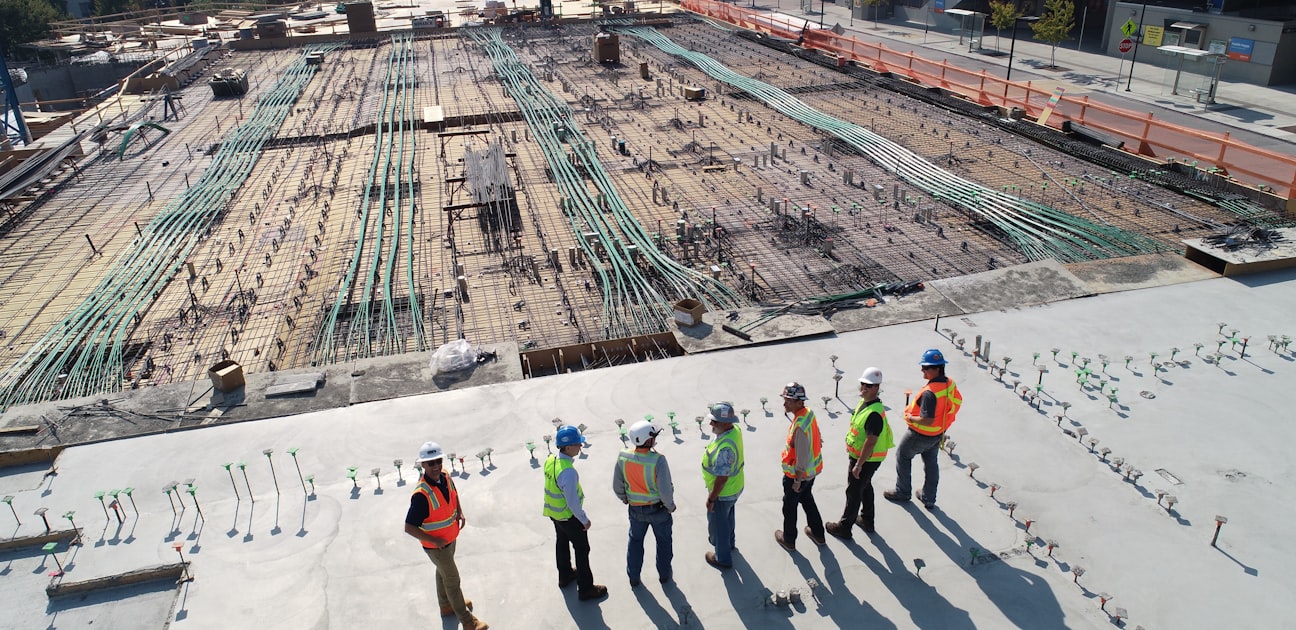
Georgia has announced tenders for two construction lots of a new bypass road around Tbilisi, a $250 million project financed through a loan from the Asian Development Bank that is designed to pull transit traffic out of the capital and speed freight moving between Azerbaijan and the Black Sea.
The route will connect the E60 international highway with the Kakheti Highway, allowing transit vehicles entering Georgia from Azerbaijan to bypass Tbilisi entirely. Georgian authorities say that widening the existing road and building the new link will improve transport connections between Rustavi, eastern Tbilisi, Tbilisi International Airport and the capital's new industrial zones, while significantly reducing traffic on city roads.
The project carries particular weight for Azerbaijani logistics operators. Trucks running from Baku toward Georgia's ports and on to Türkiye currently funnel through or around the capital's congested arteries; a dedicated bypass would shorten journey times on one of the busiest road segments of the Middle Corridor, the east–west trade route linking Central Asia and the Caspian to European markets.
The tender launch adds to a wave of transport investment across Georgia. A new phase of construction has begun at the Anaklia deep-water port, where dredging works are underway, and Georgian Railways is discussing additional Baku–Tbilisi passenger services with its Azerbaijani counterpart after complaints that tickets sell out on existing trains. Representatives of Kazakhstan, China, Azerbaijan, Georgia and Türkiye have approved a 2026 work plan for the Trans-Caspian International Transport Route focused on digitalising transport processes.
Road-sector spending is also being matched on the rail side of the corridor: protocols confirming completion of modernisation works on the Baku–Tbilisi–Kars railway were signed alongside recent intergovernmental agreements between Georgia and Azerbaijan covering gas, electricity and transit.
For the ADB, the bypass extends a long-running engagement with Georgia's road network under its transport corridor programme. The bank and other multilateral lenders have argued that Georgia's growth — running at 7.9% on average in the first half of 2026 — will increasingly depend on whether its infrastructure can absorb rising corridor volumes rather than on domestic demand alone.
Construction timelines will be set once contractors are selected for the two announced lots.
Sources: JAMnews, Asian Development Bank