Business
Georgia's Exports to Iran Jump 746% on Car Re-Exports

September 29, 2026

2
Min
Georgia's exports to Iran rose 746.8% year on year to $161.9 million in the first eight months of 2026, according to preliminary Geostat data, up from $19.1 million a year earlier. The jump has made Iran Georgia's ninth-largest export market, with a 3% share of total shipments.
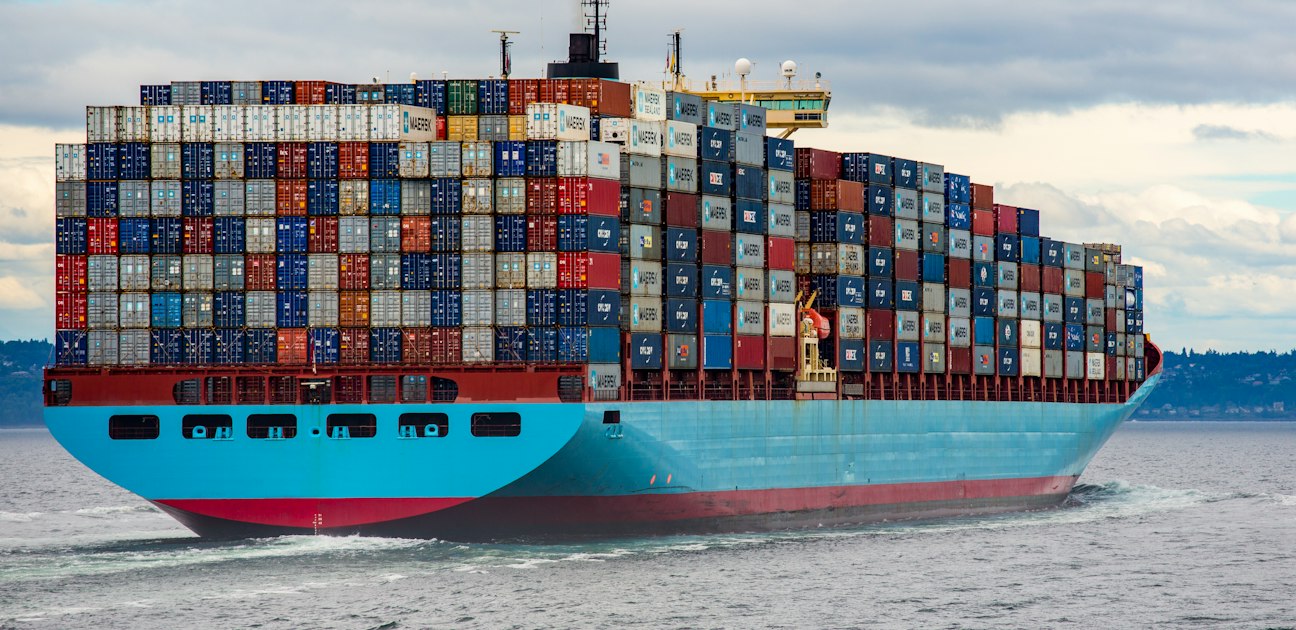
Almost all of the growth came from one product. Georgia shipped 7,360 passenger cars to Iran worth $129.2 million, about 80% of the total. For comparison, the country exported 19 cars to Iran in the same period of 2024 and 10 in 2025.
These are overwhelmingly re-exports. Georgia has for years operated as a regional hub for used vehicles imported from the United States, Europe and East Asia and sold on to Central Asia, Azerbaijan and Armenia. The sudden opening of Iranian demand, the reasons for which have not been officially explained, has given that trade a new outlet at a time when overall car exports are falling: total car deliveries fell 22% year on year to $1.35 billion, though cars remain Georgia's largest export item at 24.9% of the total.
The second-largest category was ferroalloys at about $18.2 million, compared with roughly $0.3 million for the whole of 2025. Georgian ferroalloys come mainly from the manganese-based smelting industry around Zestafoni, and Iran is a sizable steel producer. A new customer matters for a sector exposed to swings in global manganese alloy prices.
Iran is a small part of a strong year. Georgia's total exports reached $5.42 billion in January to August, up 22.1%, with petroleum products from the Kulevi refinery up more than tenfold to $688.9 million and precious metal ores up 68.6% to $403.1 million. Deputy Economy Minister Vakhtang Tsintsadze said domestic exports excluding re-exports hit a record $432.3 million in August, up 60%.
Trade with Iran runs both ways: imports from Iran were $169.4 million in the same period, leaving a small bilateral deficit.
Re-export booms can reverse as quickly as they appear. Demand for Georgian-routed cars in Iran depends on Iranian import rules, currency conditions and the sanctions environment, all of which can change without notice. Exporters and banks handling this trade will also need to manage compliance risk carefully, given Western restrictions on Iran. For now, the numbers show Georgia's traders are quick to find new markets, but they are not yet evidence of a durable shift in Georgia-Iran commerce.
Sources: Geostat preliminary data; SOVA, 21 September 2026; Georgian Ministry of Economy.