Business
Armenia Economic Activity Up 7.3% in Eight Months on Construction Surge


4
Min
Armenia's economic activity index rose 7.3% in the first eight months of 2026 compared with the same period of 2025, but monthly growth is cooling: August alone showed 5.2%, according to official data published on 25 September and reported by Armenpress. The cumulative figure is down from 7.7% for January–July.
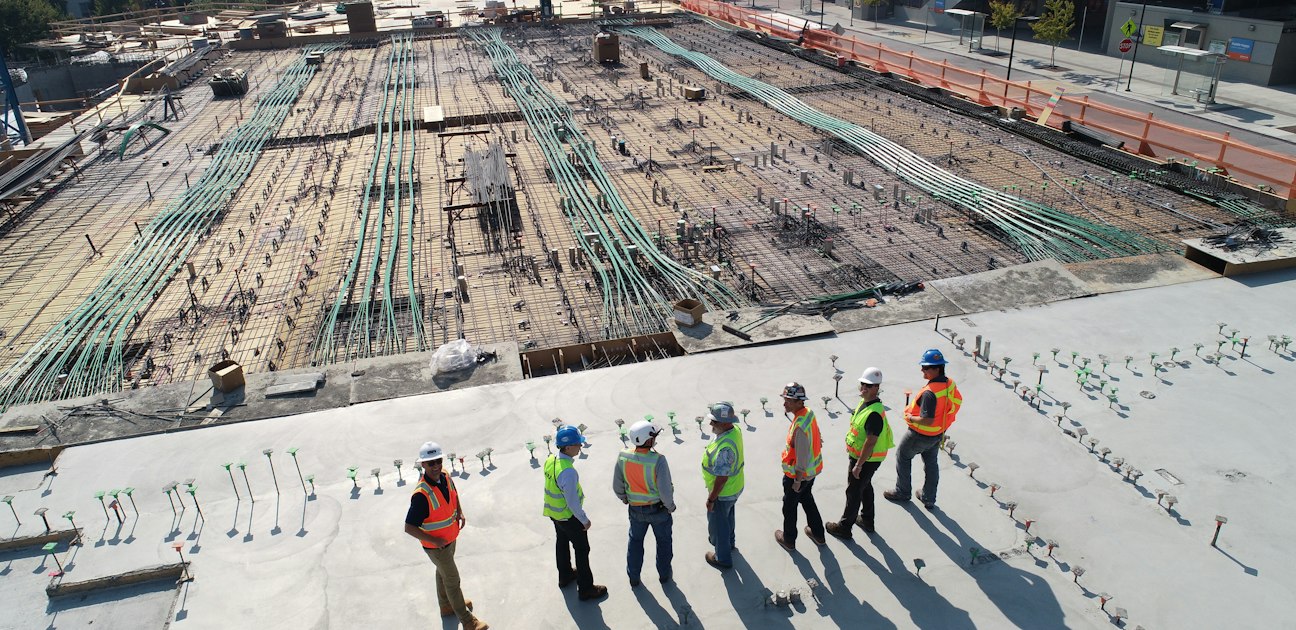
Construction led the expansion, with output up 24.7% to AMD471.6 billion and August growth of 23.8%. Services grew 12.8% to AMD3.03 trillion, with August up 11.4%. Industrial production rose 7.4% for the period to AMD2.07 trillion, but fell 4.3% year on year in August. Trade turnover reached AMD4.39 trillion, up just 0.7% over eight months and 0.1% in August.
The price data point to some pressure. Consumer prices rose 4.5% in January–August and 4.4% in August alone, while producer prices climbed 8.8% over the eight months and 8.9% in August. Electricity generation grew 5.3% to 6.27 billion kWh.
The Eurasian Development Bank said on 28 September that it expects Armenian GDP to grow 6% in 2026, with high activity persisting on domestic sources of growth, as reported by ArmBanks.am. It attributed services growth to the IT sector and tourism, and construction to increased lending, including mortgages, and investment.
The August slowdown in industry and the near-flat trade figures show where the risk lies. Strong construction and services readings are domestically driven, and they depend on credit growth and a services sector that has been expanding at double-digit rates. If lending tightens or tourism softens, the headline index could converge toward the ADB's more conservative 5.0% full-year forecast.
For businesses, the near-term takeaway is that Armenian demand remains robust in building materials, real estate services, IT and hospitality, while manufacturers face higher input costs, as the producer-price figures show. Investors will watch whether September data confirm the August cooling or whether construction keeps pulling the index back above 7%.
Compared with earlier in the year, momentum has eased. Economic activity ran 7.9% in the first half and 7.7% through July before slipping to 7.3% through August, and the 5.2% August reading was the weakest recent monthly figure. That does not signal a stall, but it shows the extraordinary early-year pace is normalising toward the roughly 5–6% range that international forecasters project for the full year. Businesses planning capacity should therefore treat double-digit sector growth as a peak rather than a baseline.