Mining
Anglo Asian Pivots to Copper With Damirli and Kharkhar

August 30, 2026

4
Min
British miner Anglo Asian Mining is recasting its Azerbaijani business around copper, with two deposits moving toward production and a strategy that expects the red metal to out-earn gold as soon as this year.
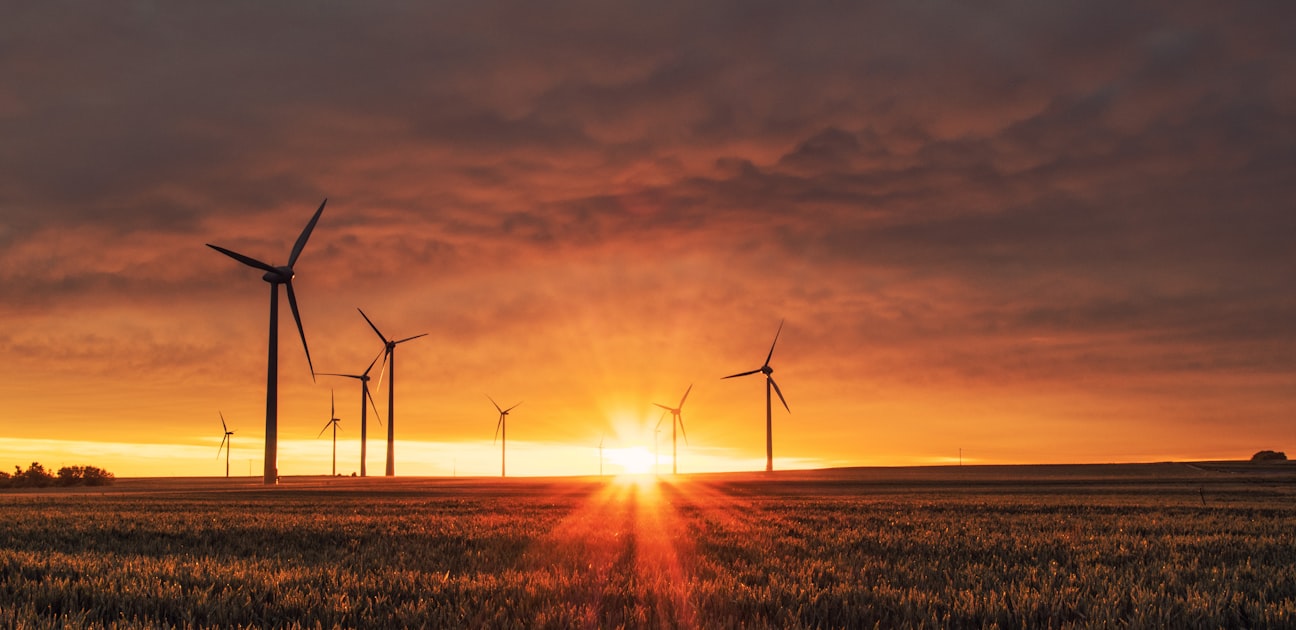
Photo: Unsplash
The company has begun selling concentrate from its Damirli mine under a contract with Singapore-based trading house Trafigura, with output expected to reach roughly 15,000 tonnes of copper a year by the end of 2026, according to industry reporting. Separately, it plans to start mining the Kharkhar deposit in 2026 and extract about 9,000 tonnes of copper a year over a seven-year span.
The shift is deliberate. Anglo Asian, long known in Azerbaijan as a gold producer, anticipates that copper will contribute more to revenue than gold from 2026, and is steering capital toward precious- and base-metal expansion through the end of the decade. The bet is underpinned by a structurally tight copper market: Citigroup analysts have projected prices climbing toward $13,000 a tonne early in 2026 and potentially $15,000 by mid-year, as electrification and grid demand strain global supply.
For Azerbaijan, the copper push is part of a longer effort to diversify an economy still dominated by oil and gas. The country is developing significant gold, copper and other mineral resources, and its government has actively courted foreign mining partners with a relatively low-barrier investment regime. Copper, in particular, dovetails with Baku's ambition to build out smelting and higher-value metallurgy rather than simply exporting raw concentrate.
The regional dimension runs deep. The Dashkesan iron-ore deposits, with industrial reserves of around 250 million tonnes, supplied Georgia's Rustavi metallurgical plant with concentrate for years — a reminder that the South Caucasus has long functioned as an integrated minerals-and-metals zone, not a set of isolated national markets.
Risks are real. Copper projects are capital-intensive and exposed to price swings; a sharp correction from today's elevated levels would squeeze margins on tonnage only now coming online. Ramp-ups also routinely slip, and the gap between targeted and actual output in the first full year will be the number to watch.
But the direction is clear. With offtake locked in through a major trader and two deposits advancing in parallel, Anglo Asian is turning Azerbaijan into a test case for whether the Caucasus can graduate from hydrocarbons to the metals the energy transition increasingly demands.