Energy
Uzbekistan Signs 500 MW Solar Term Sheet With Oman's Voltamp

November 19, 2026

4
Min
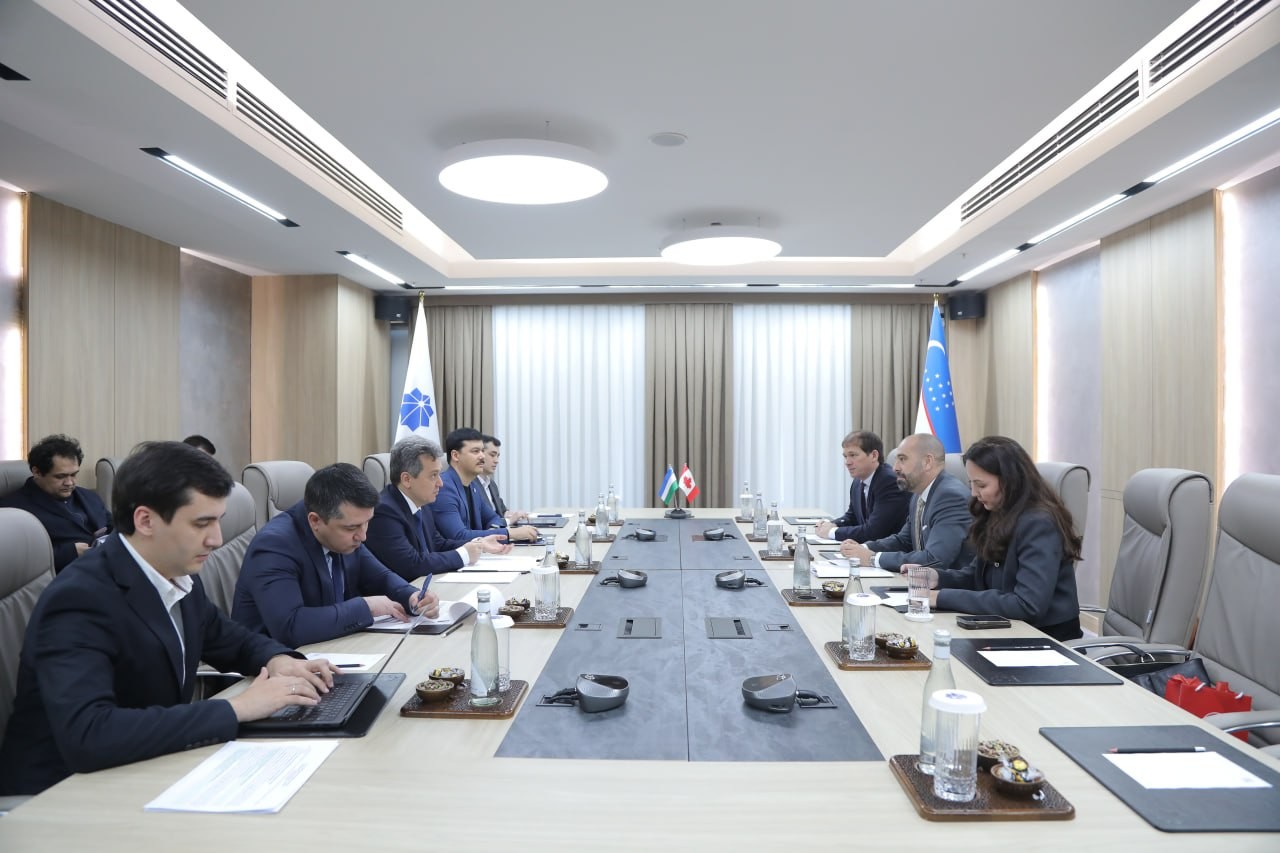
Oman's Voltamp Energy and Uzbek partners signed a joint development agreement on 17 November for a 500 MW solar plant in the Fergana region, valued at about $350 million of direct investment, Trend, 17 November 2026 reported. The document is not a construction contract: Voltamp's own disclosure, as summarised below, describes it as a non-binding term sheet.
That gap between headline and legal substance is the story. The $350 million figure and the expected output come from the Trend and Kazinform reports, not from Voltamp's disclosure, and Trend does not say who produced the estimate. According to Kazinform, 17 November 2026, the plant would generate roughly 1 billion kWh a year and save about 250 million cubic metres of natural gas. The same report names Uzbek company UET Construction as signatory alongside Voltamp, with the Ministry of Energy and the Ministry of Investments, Industry and Trade also named.
A summary of Voltamp's disclosure on the Muscat Stock Exchange (we could not locate the original filing), Saudi Gulf Projects, November 2026, shows how cautious the listed company is. It describes a package of three projects: a power transformer plant of 5,000 MVA a year for equipment up to 220 kV, a copper processing plant of 5,000 tonnes a year, and the 500 MW solar plant on land allocated by the Ministry of Energy. All three remain under technical and commercial feasibility study. Voltamp says it has taken on no investment, purchase, take-or-pay or off-take obligations and that the agreement has no financial impact at this stage. The parties have six months to negotiate definitive agreements, and no investment value is disclosed in that summary.
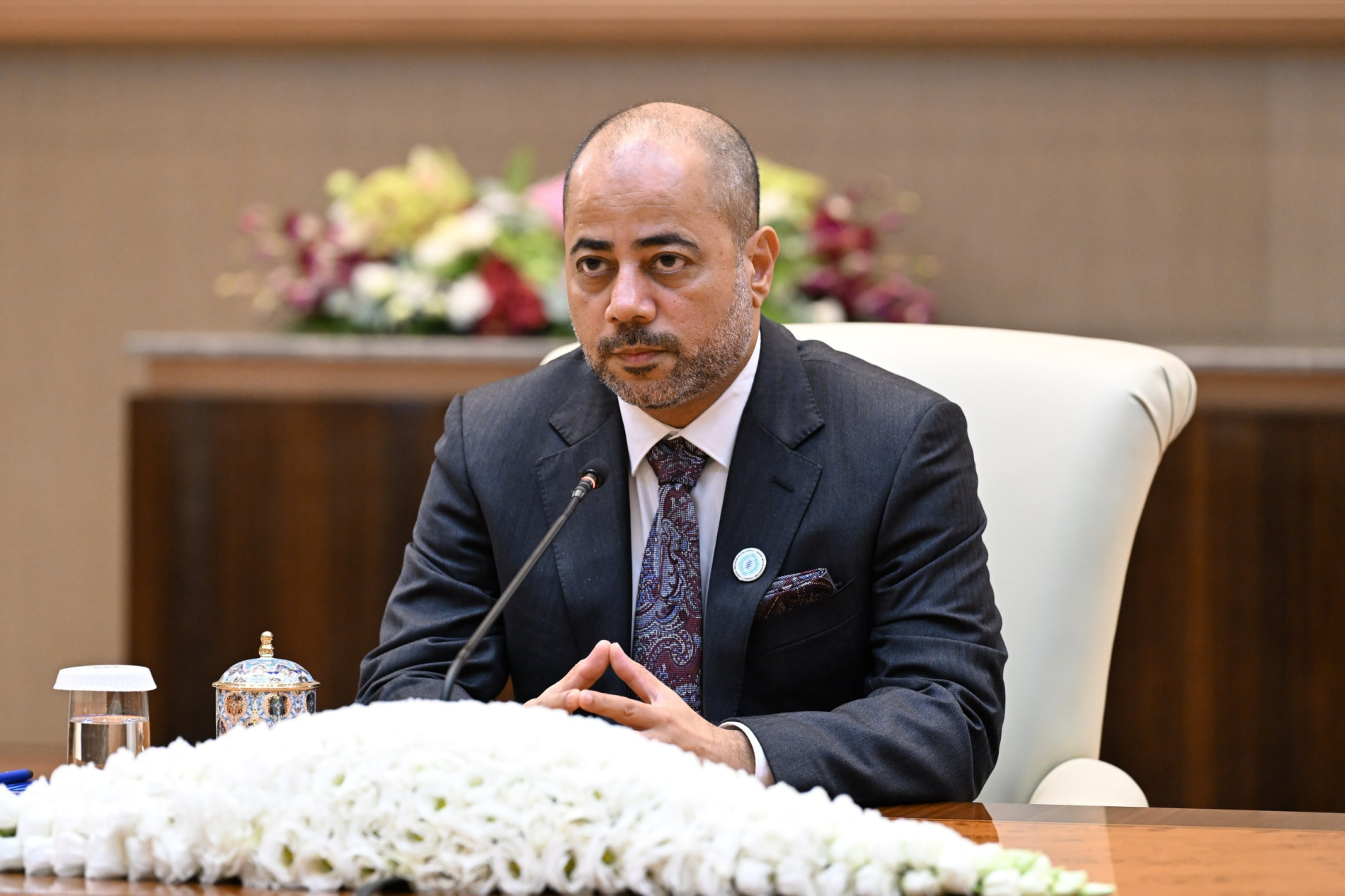
The deal follows a meeting in mid-October, when President Shavkat Mirziyoyev received Voltamp chairman Sayyid Aymen Al Busaidi, who had come to attend the inaugural meeting of the Fuel and Energy Sector Investors Council, according to the Ministry of Energy press service, 16 October 2026. That page records that the sides agreed to implement projects under a joint roadmap, including solar plants and high-voltage transformer production, but gives no figures.
Kazinform also reports side agreements: Voltamp and Texnokabel Group plan to produce specialised transformer conductors, and a high-voltage transformer plant is planned in the Akhangaran district of the Tashkent region with Nura Group. Stated benefits include more local production of electrical equipment, technology transfer and new jobs. We covered the wider diplomatic backdrop in our report on Uzbekistan and Oman lining up $5bn of deals.
For Tashkent, the quoted saving of about 250 million cubic metres of gas a year is the clearest measure of the project's appeal, and Kazinform lists local equipment production and technology transfer as further benefits.
For Voltamp, a transformer maker, the equipment plants are the commercial core and the solar plant is the larger, riskier add-on. Its disclosure stresses that it has taken on no investment obligation. A $350 million solar plant would be many times the scale of the separate RO 15 million Sohar transformer investment the same summary mentions.
Two points remain unclear. First, the sources differ on who signed: Kazinform names UET Construction as the Uzbek signatory, while the term sheet summary names the Ministry of Investments, Industry and Trade as counterparty, and the reports are ambiguous on where the signing took place. Second, no offtake terms, tariff or financing structure has been published, and these usually decide whether a memorandum becomes a plant.
Watch for Voltamp's promised commercial proposal, which Kazinform says will follow the site assessment and financial model. The six-month negotiating window should end around May 2027. Key signals will be any offtake terms, confirmation of the Fergana land allocation and a disclosed financing structure.
Sources: Trend, 17 November 2026; Kazinform, 17 November 2026; Saudi Gulf Projects, November 2026; Ministry of Energy of Uzbekistan, 16 October 2026
Image: Ministry of Energy of Uzbekistan, via gov.uz