Global
Uzbekistan's Economy Grows 8.3% in Nine Months as Investment Rises 20.1%

October 30, 2026

3
Min

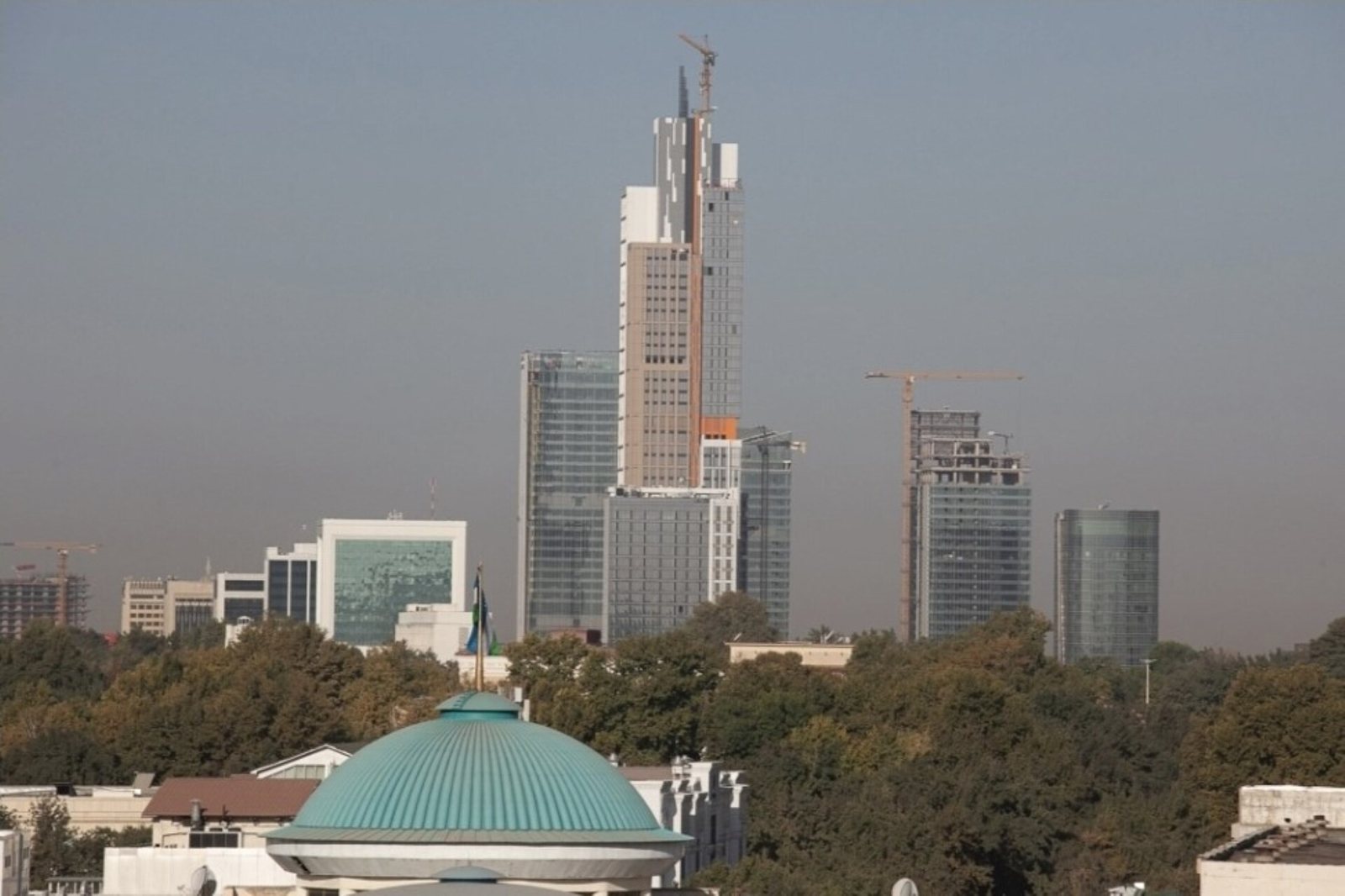
Uzbekistan's economy grew 8.3 per cent in real terms in January to September 2026, with gross domestic product at current prices reaching 1,755.5 trillion soums, the National Statistics Committee of Uzbekistan said on 30 October.
The figures come from the committee's release on gross domestic product for January to September 2026, which puts the GDP deflator at 108.4 per cent against the prices of the same period of 2025. GDP per capita reached 44,692.3 thousand soums, 6.4 per cent higher in real terms.
The same period of 2025 showed 8.0 per cent growth, according to the chart in the release, so the pace has picked up slightly. The committee said the data for January to September 2022 to 2025 have been revised to take account of the Population and Agricultural Census.
Gross value added in transportation and storage, information and communication grew 18.1 per cent to 135.4 trillion soums and contributed 1.4 percentage points to growth. Trade, accommodation and food services grew 15.1 per cent to 247.1 trillion soums, contributing 2.0 points. Construction grew 12.5 per cent to 140.2 trillion soums.
Within services, trade services grew 17.3 per cent, transportation and storage 16.1 per cent and information and communication 21.6 per cent, while other services grew 3.2 per cent. The service sector as a whole added 8.9 per cent to reach 831.0 trillion soums.
Industry contributed 2.0 percentage points. Its value added rose 8.1 per cent to 450.4 trillion soums, led by manufacturing, up 8.6 per cent. Mining and quarrying grew 3.1 per cent and electricity, gas, steam and air conditioning supply 10.1 per cent. The committee's separate release on industrial output put the value of industrial products at 1,085.7 trillion soums, up 8.1 per cent, with 66,000 industrial enterprises operating as of 1 October.
Agriculture, forestry and fishing grew 4.6 per cent, and its share of gross value added fell to 15.5 per cent from 16.2 per cent. Industry's share rose to 26.8 per cent from 26.0 per cent.
Investment is growing faster than the economy in nominal terms. Investments in fixed assets reached 584.2 trillion soums in the nine months, 20.1 per cent more than a year earlier, according to the committee's release on investments in fixed assets, published on 29 October. Foreign investments and loans utilised amounted to USD 33.9 billion, or 408 trillion soums.
Manufacturing took 27.5 per cent of all fixed investment, or 160.8 trillion soums, and housing construction 14.9 per cent. Transportation and storage received 27.7 trillion soums, 4.7 per cent of the total.
For logistics companies, ports and railways on the Middle Corridor, the strongest signal is in transport. Value added in transportation and storage grew 16.1 per cent, nearly twice the pace of the economy as a whole. CBJ reported this week that Uzbekistan's foreign trade reached USD 65.4 billion in nine months, with imports up 15.7 per cent.
Manufacturing's share of fixed investment rose to 27.5 per cent from 25.5 per cent a year earlier. That could point to more equipment and inputs moving into the country and, later, more finished goods looking for export markets, some of them along routes across the Caspian and the South Caucasus.
The two governments in Tashkent and Tbilisi have already set trade goals, as CBJ reported on the USD 1 billion Uzbekistan and Georgia trade target. For banks and exporters in Baku, Tbilisi and Yerevan, an economy of 1,755.5 trillion soums growing 8.3 per cent is a market that sits at the eastern end of the corridor.