Business
Turkmenistan Turns to EU Partners to Cut Caspian Port Delays

November 28, 2026

3
Min
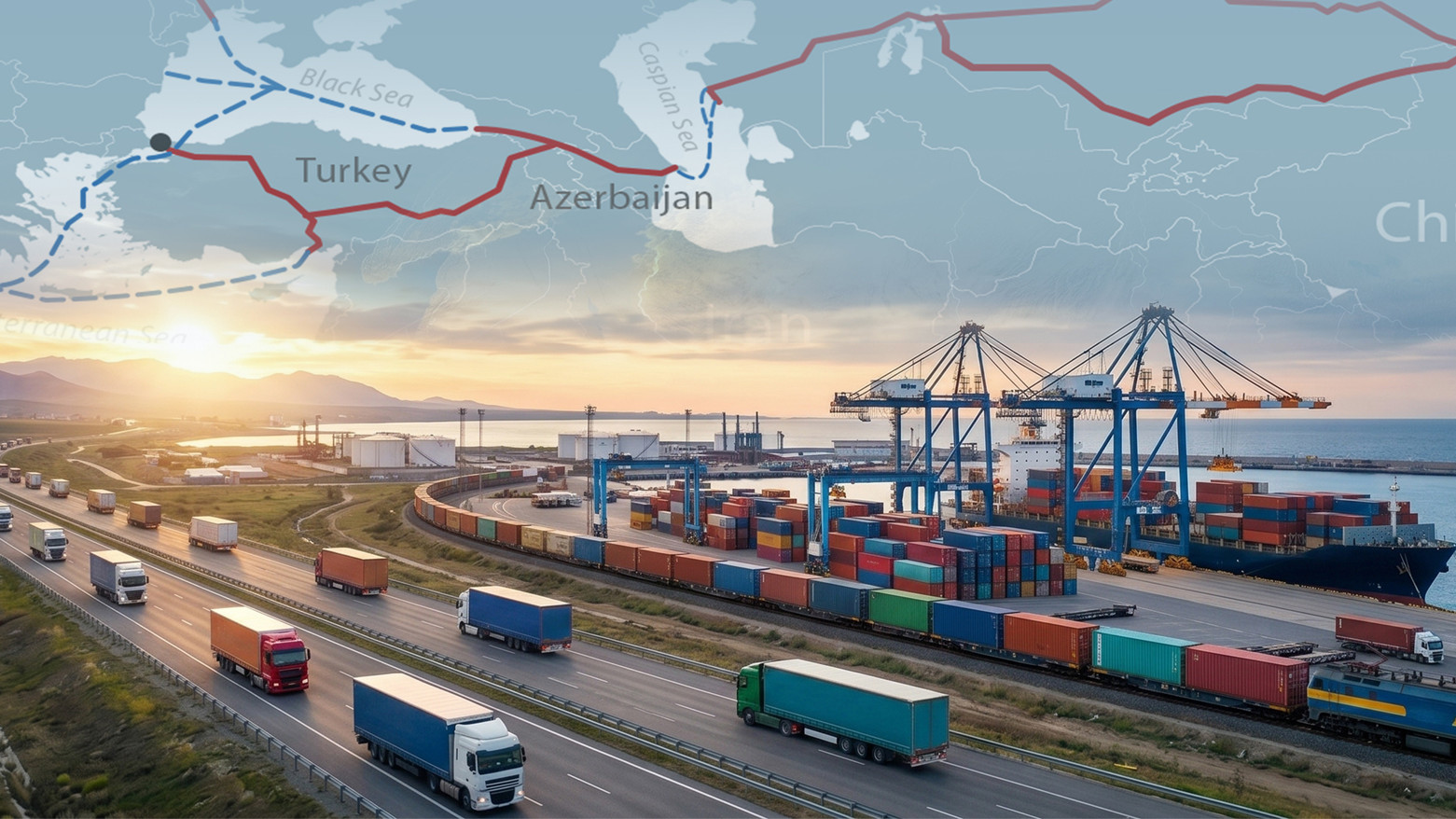
Turkmenistan has agreed to work with German and French development agencies to shorten waiting times at the Caspian port of Turkmenbashi, according to the Times of Central Asia (27 November 2026). A memorandum of understanding was signed on 25 November at a transport forum in Ashgabat by Turkmenistan's State Service of Maritime and River Transportation, the German Agency for International Cooperation (GIZ) and Expertise France.
The deal matters because Turkmenbashi is a key link in the Trans-Caspian Transport Corridor, and waiting times there raise fuel, crew and port costs, according to the Times of Central Asia. The memorandum targets waiting times, ferry schedules and customs, and includes a study of whether new vessels are needed.
The Times of Central Asia reports that the partners will explore a maritime single window, which would let shipping companies submit vessel, cargo and crew information through one electronic platform instead of several agencies. Expertise France will assess the condition of the Caspian fleet and forecast freight volumes to judge whether new vessels are needed. The partners will also review port fees and shipping charges, and work on better ferry schedules and simpler customs procedures.
The work sits inside a capacity development programme for the Trans-Caspian corridor. A European Union factsheet (February 2026) says the programme runs from November 2025 to May 2029, is commissioned by the EU, Germany and France, is implemented by GIZ and Expertise France, and covers Kazakhstan, Kyrgyzstan, Tajikistan, Turkmenistan and Uzbekistan. The factsheet states no budget. Trend reported on 30 March 2026 that Turkmenistan and GIZ had already signed a protocol amending an earlier memorandum on the corridor, signed by Trade Minister Nazar Agakhanov and GIZ country coordinator Joachim Fritz.
The Times of Central Asia, citing UNECE data, says transit cargo through Turkmenbashi more than tripled between 2021 and 2024, from about 353,000 to more than 1.14 million tonnes. It puts the 2025 figure at 1.33 million tonnes, citing the Turkmen site dohom.edu.tm. It adds that falling Caspian water levels mean some ships can carry only 75 to 80 per cent of their full capacity, so the same volume needs more voyages. It also cites a 2025 OECD report that identified a vessel shortage, inconsistent customs procedures and continued reliance on paper documents.
The same report notes a separate memorandum on 24 November between the Turkmenbashi port, the state-owned Marine Merchant Fleet and Turkey's USS Denizcilik covering port development, freight transport, fleet operations and ship repair.
The practical gain from the first steps is likely to be predictability rather than capacity. A single window and a fee review could help forwarders plan a Caspian crossing with more certainty. The fleet assessment is the item with most consequence: if it concludes that new vessels are needed, the question of who pays, which the factsheet does not answer, becomes the real test of the programme.
The memorandum is a statement of intent. None of the reported documents gives a deadline for the single window or a figure for expected time savings.
Sources: The Times of Central Asia, 27 November 2026; European Union External Action Service, Trans-Caspian Transport Corridor capacity development programme factsheet, February 2026; Trend, 30 March 2026.
Image: Caucasus Business Journal archive image, via caucasusbusinessjournal.com