Innovation
Jabbarov's Cable Is Live. The Route Behind It Isn't Yet

November 29, 2026

3
Min
Six weeks after the Trans-Caspian fibre-optic cable was switched on, the project's backers have published a launch, a capacity figure and a strategy, but no service date. That is the gap Yusif Jabbarov, chairman of NEQSOL Holding, framed in his own statement on the day of the inauguration.
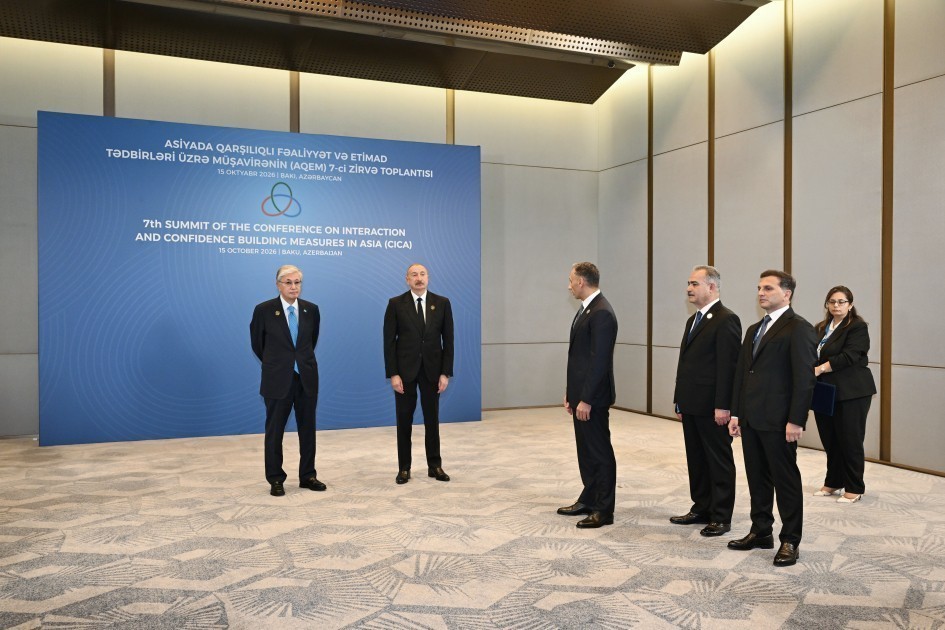
"By establishing a high-speed, reliable and more efficient data transmission route between Europe and Asia, the project will strengthen international digital connectivity," Jabbarov said in NEQSOL's announcement of the launch on 15 October, calling the cable "a strategic investment in Eurasia's digital infrastructure." Presidents Ilham Aliyev and Kassym-Jomart Tokayev inaugurated the line online after talks in Baku, according to APA.
The cable runs about 380 km under the Caspian between Sumgayit and Aktau and has a designed capacity of more than 400 terabits per second. It was built by CaspiLink B.V., the joint venture of AzerTelecom, part of NEQSOL's Azerconnect Group, and Kazakhtelecom. CBJ reported the launch on 16 October.
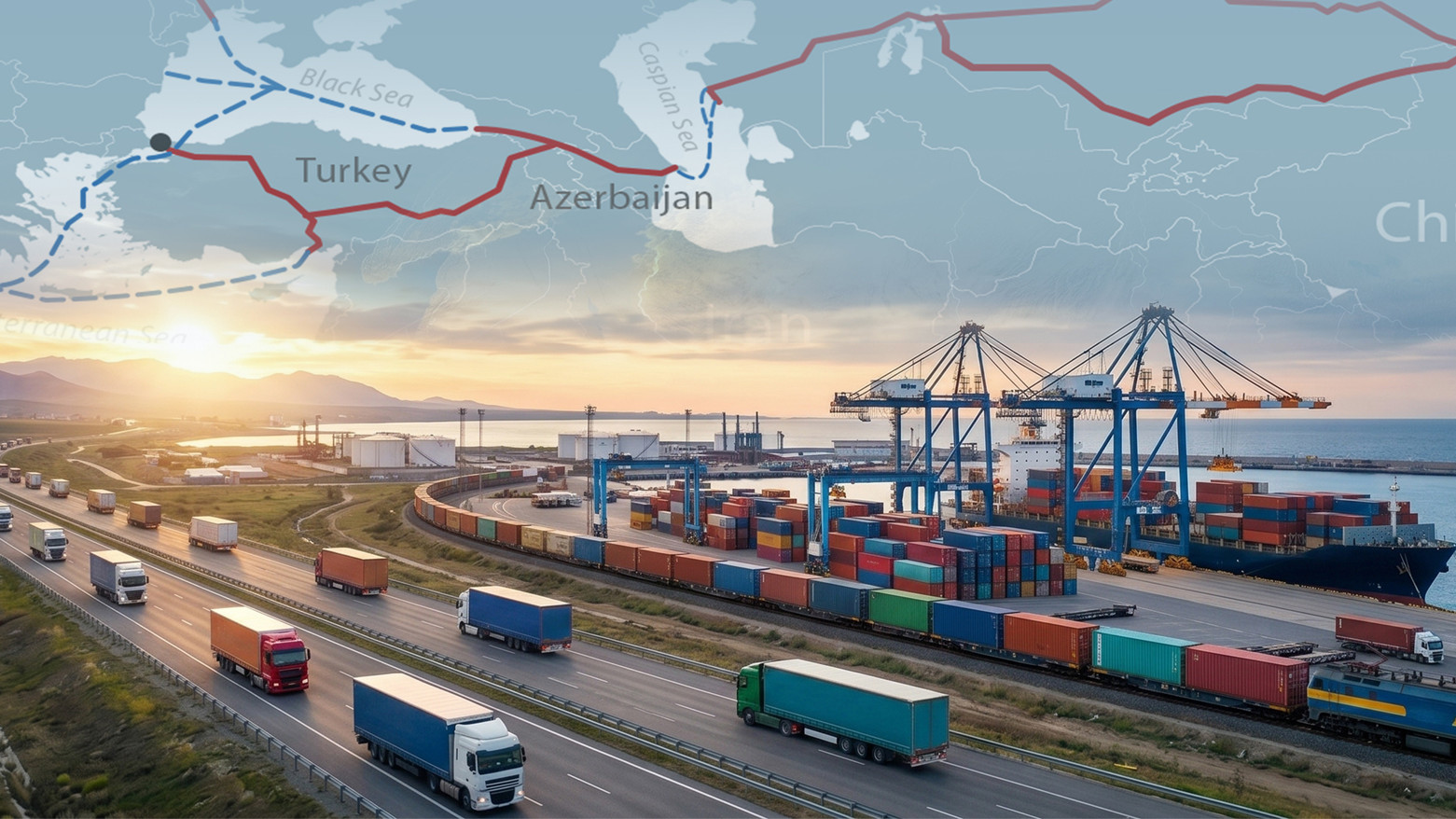
The more useful number for anyone deciding whether to route traffic this way is two: the number of legs that still have to work before the route is a Europe to Asia path rather than a Caspian crossing. One is the terrestrial link across the South Caucasus. The other is the Black Sea, where the Kardesa cable, a system of more than €100 million that Vodafone Ukraine is developing with Vodafone Group, is due to make its first landing in Bulgaria in 2027.
Jabbarov ran NEQSOL as chief executive from 2018 until May 2026, when Kirill Rubinski took over day-to-day management and Jabbarov stayed on as chairman. The Digital Silk Way, the group's name for this chain of cables, is the kind of multi-year, multi-country bet that tends to sit with a board rather than an operating team: it needs governments, partners and patient capital more than it needs quarterly execution.
The launch day showed how much of it depends on states. In the same ceremony, Azerbaijan's digital development minister and Kazakhstan's transport minister exchanged a signed agreement on developing the Trans-Caspian International Transport Route, and AZCON Holding and Samruk-Kazyna exchanged a certificate on two dry cargo vessels, APA reported. The data cable arrived as one item on a freight-and-shipping agenda, which is both its strength and its risk.
Tokayev's line at the ceremony, "this is the Middle Corridor in a digital form," captures the political logic. The commercial logic is narrower: carriers and cloud providers buy capacity on routes they can contract end to end, with known latency and legal terms.
A single segment does not earn much until the segments either side are in place, so revenue is likely to trail the 2026 launch. The Black Sea leg carries security and insurance risk that a Caspian crossing does not. And a route that is valued as an alternative to Russia and the Red Sea has to stay cheaper and more reliable than both once it is commercial, not only more politically convenient.
CBJ could not find a public commercial service date, customer or tariff for the Trans-Caspian cable, and found no further public statement by Jabbarov on the project since 15 October. The 400 Tbps figure is the operators' design capacity, not traffic carried.
The first published capacity sale on the Caspian segment, and any firm construction start for Kardesa's Bulgarian landing. Either would show the chairman's "strategic investment" turning into a route that customers pay for.
Photo: Press Service of the President of Azerbaijan, via APA