Energy
TotalEnergies and Masdar Launch $2.2 Billion Renewable Energy Joint Venture Covering Azerbaijan

April 23, 2026

4
Min
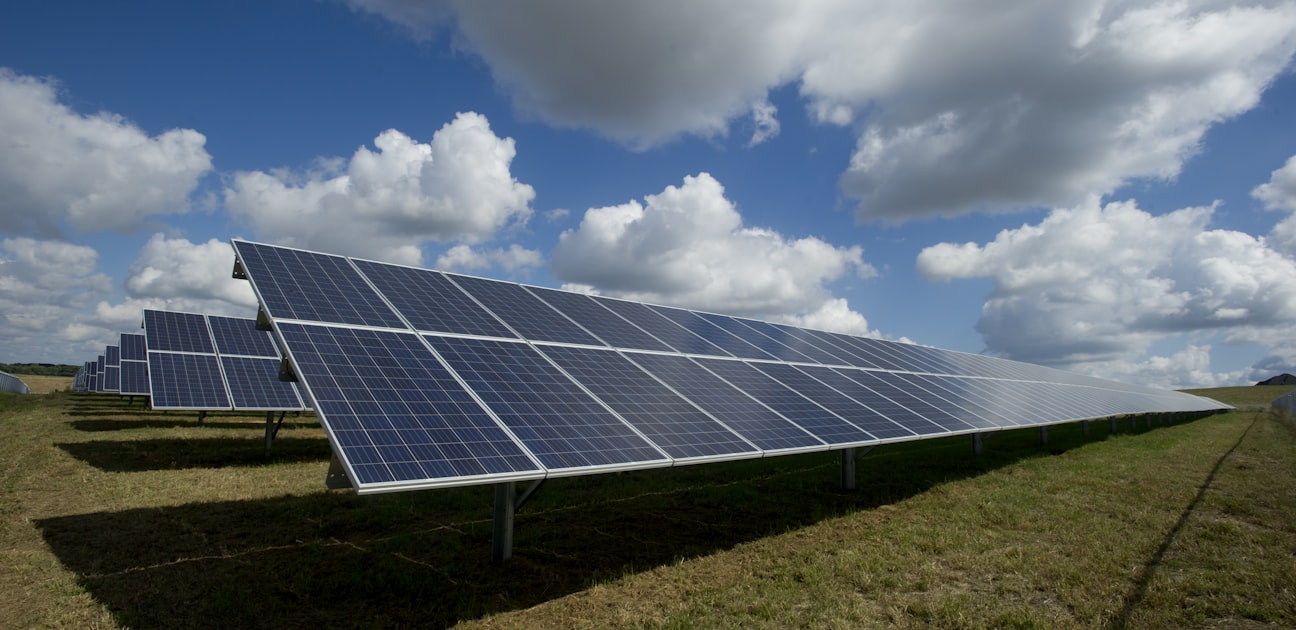
French energy major TotalEnergies and Abu Dhabi's clean energy champion Masdar signed an agreement on April 3, 2026 to establish a $2.2 billion joint venture targeting solar, wind, and battery storage development across nine countries in Asia, including Azerbaijan. The deal is one of the largest cross-border renewables investments to be announced in the region this year and signals the accelerating convergence of Gulf sovereign capital with Western energy expertise in the post-COP29 landscape.
The joint venture will develop assets spanning Southeast Asia, Central Asia, and the South Caucasus, with Azerbaijan representing a priority market given its ambitious renewable energy targets and its strategic position as both a producer and transit hub for clean energy. Baku has committed to generating 30% of its electricity from renewable sources by 2030 and has set a target of exporting green electricity to Europe by the early 2030s via a subsea cable to Romania.
Azerbaijan's existing partnership with Masdar, which predates the TotalEnergies agreement, encompasses a 1,000 MW renewable energy programme including wind, solar, and integrated green hydrogen development. With TotalEnergies now joining as a co-investor, the programme gains additional technical depth and financial firepower, accelerating timelines for projects that had previously been constrained by capital availability.
The announcement reflects the broader reorientation of Azerbaijan's energy strategy away from exclusive dependence on hydrocarbons. President Ilham Aliyev used last year's COP29 summit in Baku to position Azerbaijan as a bridge between fossil fuel producers and the clean energy transition — a narrative that is now being backed by concrete deal flow. The country attracted more than $3 billion in renewable energy commitments during 2025, according to government figures, a record for the sector.
TotalEnergies' entry into the Azerbaijani renewable market through Masdar adds to a growing list of European and Gulf companies competing for projects in a country with abundant solar irradiance along the Caspian coast and strong wind resources in the Absheron peninsula. SOCAR Green, the state company's clean energy subsidiary, is actively partnering with international developers to meet domestic demand growth and position Azerbaijan as a green energy exporter.
For international investors, the joint venture structure is notable for its geographic diversification. By bundling Azerbaijan with eight other Asian markets, TotalEnergies and Masdar are effectively creating a portfolio approach that reduces single-country risk while maintaining exposure to the region's outsized growth potential. According to Renewable Energy Asia, the nine-country footprint was deliberately chosen to encompass markets at different stages of energy transition, providing a natural pipeline of projects over the coming decade.
The World Economic Forum, which has been tracking Azerbaijan's energy transition as part of its Fostering Effective Energy Transition initiative, noted in a recent analysis that traditional producers must be part of the green transition rather than left behind by it — a philosophy that the TotalEnergies-Masdar-SOCAR collaboration appears designed to embody.
The deal is expected to close by mid-2026 pending regulatory approvals in the relevant jurisdictions. Project developers anticipate the first groundbreakings in Azerbaijan under the new structure within 18 months, with solar installations in the Garadagh district and wind farms in the Nakhchivan region among the likely priority sites. The investment reinforces Azerbaijan's position at the intersection of Europe's energy security strategy and the global clean energy transition.