Energy
SOCAR and bp See ACG Oil Recovery Above 40%

November 15, 2026

3
Min

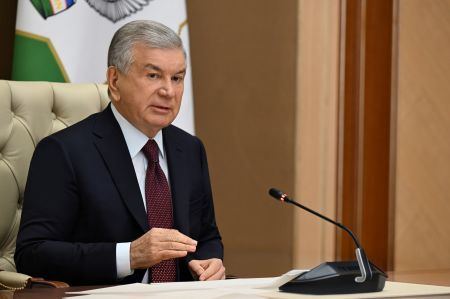
SOCAR and bp estimate that ultimate oil recovery at the Azeri-Chirag-Gunashli (ACG) field could exceed 40%, SOCAR Vice President Babek Huseynov said at an industry event on 13 November 2026, Trend reported. The estimate was presented at "Supporting Production from ACG: New Approaches and Technology", part of the SOCAR and bp Energy Dialogue Platform.
The figure matters because ACG, Azerbaijan's flagship offshore oil field, is in decline. Every extra percentage point of recovery from a field of this size means more barrels for the state budget and more years of production from existing platforms.
"Of course, it's no secret that the field has reached its production plateau, after which it has entered a phase of natural decline," Huseynov said, according to Trend. "SOCAR's task, as the national oil and gas company, is to ensure maximum return on this asset," he added.
bp's own figures show the scale of the task. In the first three quarters of 2026, ACG produced on average about 320,000 barrels a day, or about 87 million barrels (12 million tonnes) in total, according to bp Azerbaijan's third-quarter business update published on 4 November. Central Azeri was the largest contributor at 84,600 barrels a day, followed by West Azeri at 72,000 and Deepwater Gunashli at 46,700.
At the end of September, ACG had 154 oil producing wells, 50 water injection wells and 11 gas injection wells. In the first nine months, the partners drilled and completed 12 oil producers, three water injectors and two gas injectors. Operating spending was about $401 million and capital spending about $1,088 million, bp said. The Sangachal terminal exported about 138 million barrels of oil and condensate over the same period.
Pushing recovery higher depends on reaching oil that existing wells cannot. In May, bp said it had drilled the first multilateral well at ACG, C44, from the West Azeri platform, and completed it 30 days ahead of plan, with three such wells planned for 2026. "MLT is a step-change solution for well delivery in ACG," Gio Cristofoli, bp's regional president for Azerbaijan, Georgia and Türkiye, said in the bp release.
Multilateral wells branch into several reservoir sections from one wellbore, which can add output without new platforms. Combined with water and gas injection, which maintain reservoir pressure, they are the main tools for slowing decline at a mature offshore field.
The 40% estimate is a target for the long life of the field rather than a near-term production promise. Output is still edging down: bp's ACG project page puts first-half 2026 production at about 323,000 barrels a day, slightly above the nine-month average. Trend's report of the event gives no timeline and no reserve figure for the higher recovery rate.
For Azerbaijan, the stakes are fiscal, and gas cannot yet fill the gap on its own, as CBJ's report on Shah Deniz output for the first nine months shows. A slower decline at ACG gives the government more time to grow non-oil revenue.
Watch for bp's full-year 2026 ACG figures early next year, the results of the remaining multilateral wells planned for 2026, and any formal SOCAR or bp publication of the recovery estimate with a reserve figure attached.
Sources: Trend, 13 November 2026; bp Azerbaijan, third-quarter 2026 business update; bp Azerbaijan, May 2026; bp Azerbaijan, ACG project page.
Image: Caucasus Business Journal archive