Energy
Kazakhstan Ratifies Green Energy Deal with Azerbaijan and Uzbekistan

April 23, 2026

4
Min
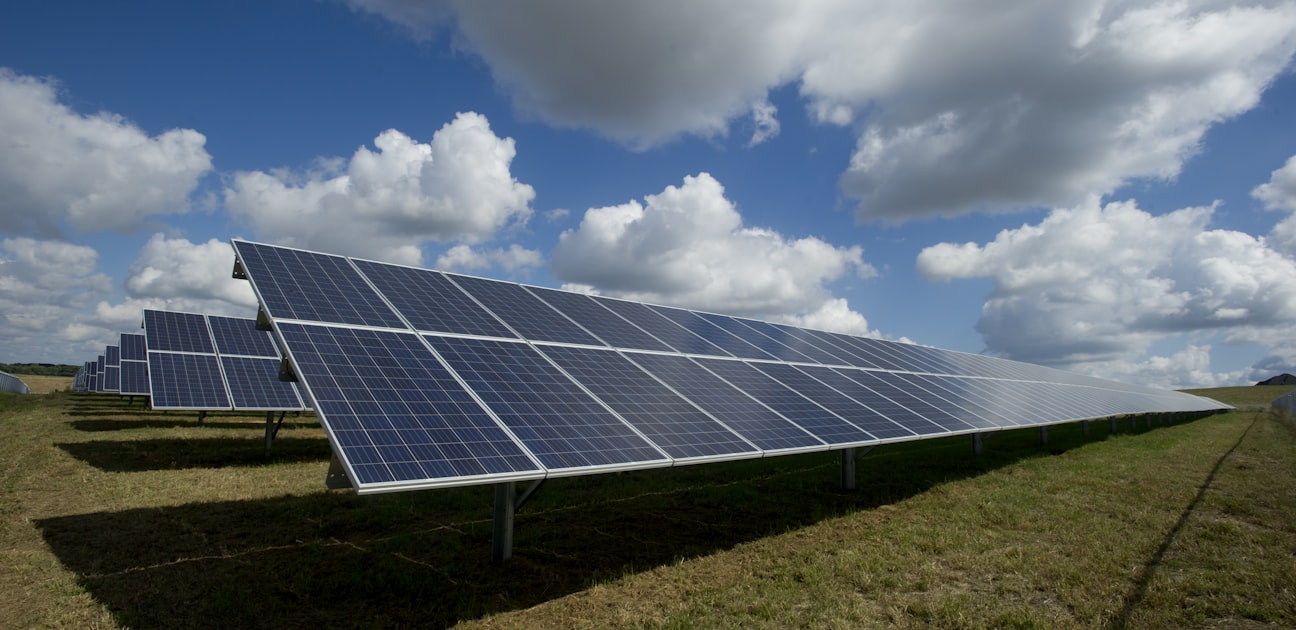
Kazakhstan's parliament on April 9 passed a law ratifying a landmark strategic partnership agreement on the production and transmission of green energy between Kazakhstan, Azerbaijan, and Uzbekistan, marking a decisive step toward building a tri-nation renewable energy corridor stretching from the Caspian basin to Europe.
The deal, first signed in late 2025, establishes a legal framework for the three countries to jointly develop wind, solar, and battery storage capacity, as well as green hydrogen and ammonia production for export to European Union markets. Under the agreement's terms, each nation will contribute generation assets proportional to its renewable energy potential, while sharing transmission infrastructure and cross-border grid integration costs.
Kazakhstan's Energy Ministry said the country's vast steppe wind resources and Uzbekistan's solar irradiance, combined with Azerbaijan's position as a transit hub on the Middle Corridor, create a complementary energy geography. Analysts at Interfax noted that the ratification clears the last legislative hurdle among the three signatories, as Azerbaijan and Uzbekistan approved the pact in February and March respectively.
The initiative dovetails with Azerbaijan's 1,000-megawatt renewable energy programme with Abu Dhabi's Masdar and the planned Black Sea submarine power cable linking Azerbaijan and Georgia to the European grid. Together, these projects position the South Caucasus as a green energy bridge between Central Asia and the EU.
European Commission officials have welcomed the pact, seeing it as a supply diversification lever that reduces dependence on Russian energy. Brussels is expected to commit technical assistance funding through its Global Gateway programme to support the transmission infrastructure build-out.
Industry observers say the agreement could attract $3 billion to $5 billion in combined investment by 2030, split across generation facilities in Kazakhstan and Uzbekistan and transit infrastructure through Azerbaijan. The World Economic Forum has highlighted Azerbaijan's dual role as a fossil-fuel exporter and a green energy transit state as a model for other hydrocarbon economies.
The ratification comes at a geopolitically sensitive moment. With the Middle East conflict disrupting Strait of Hormuz shipping lanes, European energy planners are accelerating overland pipeline and cable routes through the South Caucasus. The tri-nation green pact adds an electricity dimension to what has traditionally been a gas-focused corridor.