Energy
Azerbaijan and Georgia Advance 1GW Black Sea Energy Cable

August 30, 2026

4
Min
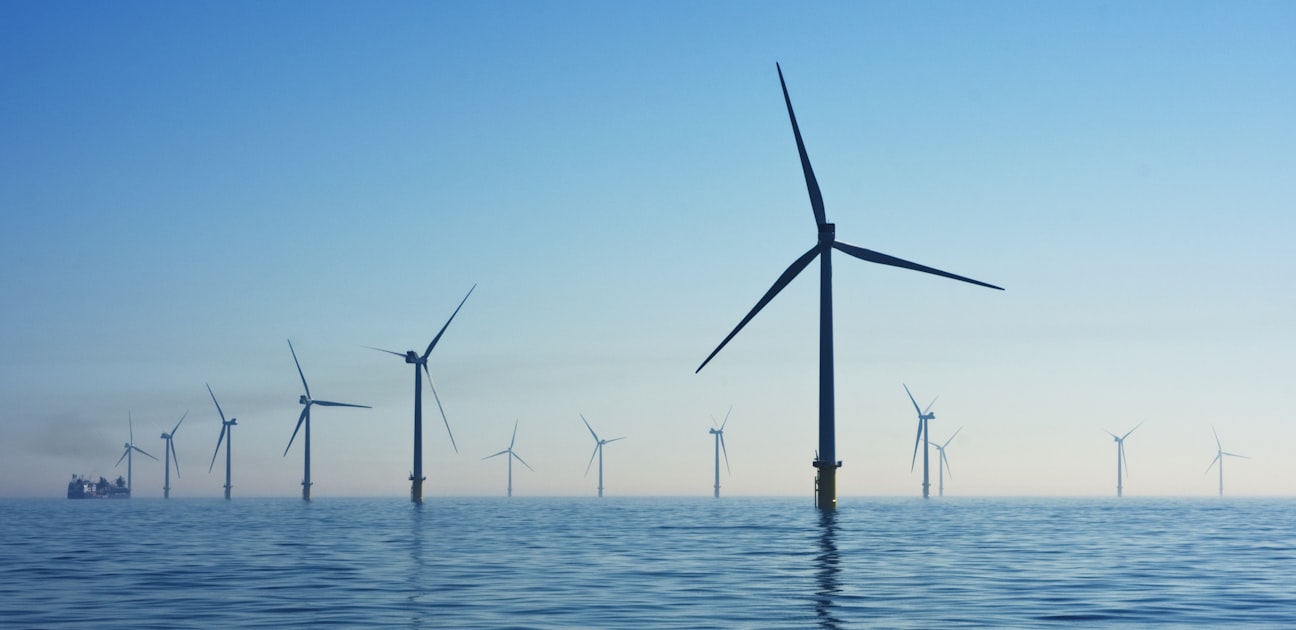
Azerbaijan, Georgia, Romania, and Hungary have signed a strategic partnership agreement to develop the Black Sea Energy submarine power cable — a 1,195-kilometre underwater electricity interconnector that will link Azerbaijani and Georgian renewable energy generation to European consumers via the Black Sea floor. The project, which carries a planned initial capacity of 1 gigawatt with potential to scale to 4 GW of annual green electricity exports, represents a new chapter in the energy relationship between the South Caucasus and the European Union.
The cable is the electricity equivalent of the Southern Gas Corridor — a long-distance energy export route from the Caspian to Europe, but designed for the clean energy era. Where the Southern Corridor carries Azerbaijani natural gas to European homes and industry, the Black Sea cable will eventually carry solar and wind-generated electrons from Azerbaijan's vast renewable resource base to grid operators in Romania, Hungary, and potentially Slovakia and Austria.
The project builds directly on Azerbaijan's post-COP29 renewable energy momentum. Following the Baku climate conference in November 2024, Azerbaijan accelerated its offshore and onshore wind development programme and signed a framework for the Green Corridor Union with Kazakhstan and Uzbekistan. The Black Sea cable is the most capital-intensive expression of Azerbaijan's ambition to become a net exporter of green electricity to Europe by the end of the decade. Azerbaijan's Ministry of Energy confirmed that the MOU for the Azerbaijan-Georgia-Turkey-Bulgaria-Hungary cable route was signed at a multilateral energy summit and has since been elevated to a full strategic partnership agreement.
For Georgia, the project reinforces the country's evolving role from energy transit state to active green energy participant. Georgian territory will host the cable's Black Sea landfall and the associated converter station infrastructure — generating long-term fees, employment, and technology transfer. Georgian Energy Minister Giorgi Tvaliashvili has described the cable as "a generational infrastructure project that will anchor Georgia's energy export future."
The European Union has provided political endorsement and is expected to co-finance portions of the project through the Global Gateway infrastructure initiative and the European Bank for Reconstruction and Development. The cable aligns precisely with the EU's REPowerEU strategy, which includes explicit targets for importing renewable electricity from South Caucasus and Central Asian producers to supplement domestic European generation. Caliber.az reported that EU commissioners have identified the Black Sea cable as a "priority interconnector" for Europe's clean energy security strategy.
Construction is expected to commence in 2027 following completion of technical studies, regulatory approvals in all four countries, and finalisation of the project financing structure. The cable's total development cost is estimated at between $800 million and $1.2 billion, depending on final routing decisions and the extent of associated onshore grid upgrades required in Romania and Hungary.
Analysts note that the project's viability depends on Azerbaijan substantially expanding its renewable generation capacity over the next five years. The TotalEnergies-Masdar $2.2 billion joint venture announced in April 2026 is among the investments that will help build the generation base required to fill the cable's export capacity on a sustained basis.
When fully operational, the Black Sea Energy cable is projected to deliver up to 4 GW of clean electricity annually — sufficient to supply approximately 2.5 million European households — while generating significant export revenues for Azerbaijan and transit income for Georgia.