Business
Georgia Doubles Anaklia Phase One Budget to $1.1 Billion Under Landlord Port Model

September 4, 2026

4
Min
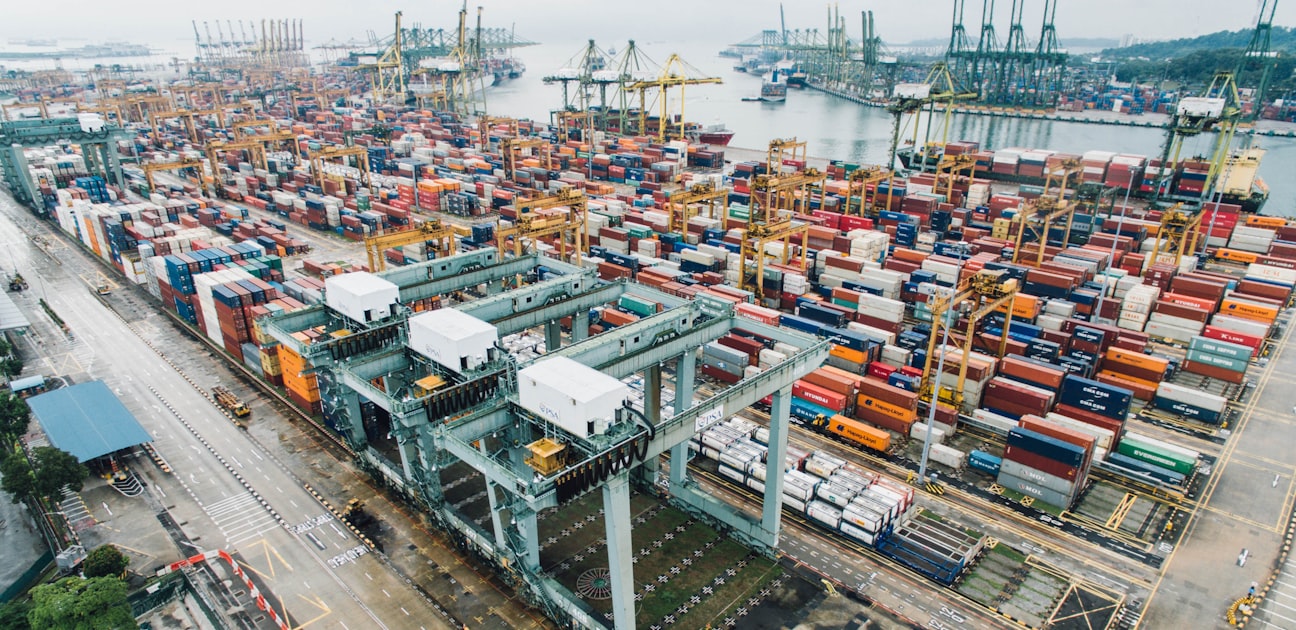
Georgia has restructured the ownership model for its Anaklia deep-sea port, replacing the single-investor concession approach with a landlord port structure and nearly doubling first-phase investment from roughly $600 million to about $1.1 billion. Under the revised framework, adopted in July 2026, the state owns and develops the core maritime infrastructure while private companies lease and operate individual terminals under long-term agreements.
The change resolves a structural problem that had stalled the project for years. Anaklia's earlier iterations depended on a lead investor willing to underwrite both the marine works and the commercial terminals — a combined risk profile few operators would accept for a greenfield Black Sea facility. The landlord model separates the two: Tbilisi carries the breakwater, access channel, land and rail and road connections, while terminal operators invest only in the equipment and superstructure they will actually run.
Anaklia's technical case rests on depth. Built to 16-17 metres, it is the only port on Georgia's Black Sea coast capable of handling Panamax-class vessels, a specification neither Poti nor Batumi can match. That matters because the Baku-Tbilisi-Kars railway has now reached 5 million tonnes of annual capacity following more than $775 million of Azerbaijani investment in its Georgian section, and the resulting cargo is running into bottlenecks at the existing ports. The restructuring was analysed by the Jamestown Foundation.
The government says it remains open to partners from China, Central Asia, Azerbaijan and Western countries. Central Asian interest has been the most visible: Prime Minister Irakli Kobakhidze travelled to Kazakhstan, Kyrgyzstan and Tajikistan during June and July 2026, while the presidents of Uzbekistan and Turkmenistan visited Georgia over the same period. Uzbek participation in Anaklia was discussed directly during a visit to the site.
The commercial logic is straightforward. Landlocked Central Asian exporters shipping west along the Middle Corridor need a deep-water terminus they can influence, and equity or long-lease positions in Georgian port infrastructure offer that. For Tbilisi, spreading terminals across multiple foreign operators reduces dependence on any single partner — a consideration sharpened by the geopolitical scrutiny that surrounded earlier Chinese interest in the project. Regional corridor investment flows were assessed by the World Bank.
The first vessel is expected in 2029, with total project cost around $1.1 billion. That timeline leaves roughly three years to convert diplomatic interest into signed terminal leases, which is the real test of the new model. A landlord port without committed operators is simply state-funded infrastructure with no revenue line.
For businesses planning Caspian-to-Europe logistics, the practical question is throughput allocation. Terminal operators that secure Anaklia leases early will control access to the only deep-water Georgian capacity for the foreseeable future — a scarce asset if Middle Corridor volumes keep growing at their current pace.