Finance
Georgia's $6.5 Billion UAE-Backed Development Reshapes Investment Landscape

April 23, 2026

4
Min
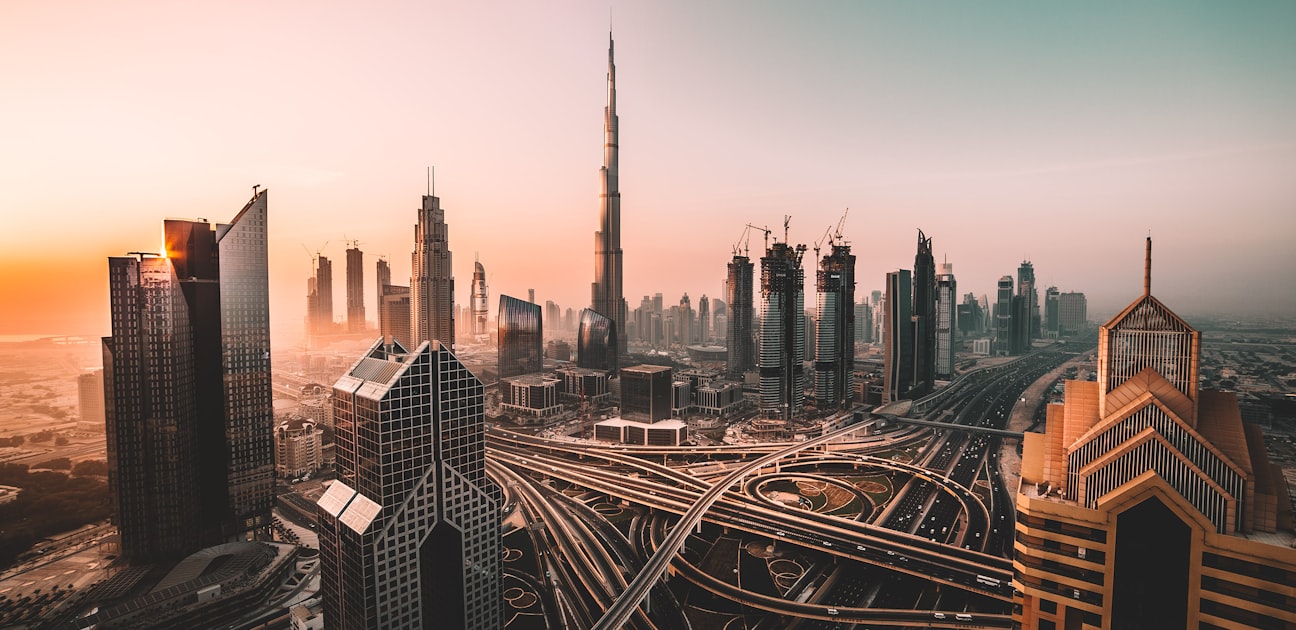
A $6.5 billion real estate megaproject backed by Eagle Hills, the Abu Dhabi-based developer, is fundamentally reshaping Georgia's foreign direct investment landscape at a time when European and British capital inflows have sharply declined. The project, which encompasses large-scale mixed-use developments near Tbilisi and along the Black Sea coast at Batumi, represents the single largest foreign investment commitment in Georgian history.
The development comes as Georgia's economy experiences a significant reorientation in its investment sources. Data from the first half of 2025 showed a sharp fall in EU and UK-sourced FDI, driven in part by political tensions between Tbilisi and Brussels after the Georgian government announced it would pause EU accession negotiations until 2028. In its place, capital from the Gulf states, Turkey, and other non-Western sources has surged, creating a new dynamic in the country's economic development.
"The Eagle Hills project is the headline, but it's part of a broader pattern," said an economist at a Tbilisi-based research institute. "Georgia is increasingly looking south and east for investment, and the investors from those regions are finding Georgia attractive."
The Caspian Post reported that non-Western capital is now reshaping the Georgian economy, with UAE investors leading the charge. Eagle Hills' Krtsanisi Park near Tbilisi and its coastal development in Batumi will include luxury hotels, residential towers, commercial spaces, and entertainment facilities, creating thousands of construction and permanent jobs.
The World Bank has flagged the Eagle Hills investment as presenting significant upside risk to growth and job creation forecasts. If implemented as planned, the project could add measurably to Georgia's GDP growth over the construction period and beyond, while also boosting the country's profile as a hospitality and tourism destination.
However, the investment also raises questions about economic diversification and dependency. Some analysts have expressed concern about the concentration of such a large investment in a single sector and from a single source region. The International Monetary Fund has noted that the high share of unhedged foreign currency bank loans and the rapid expansion of consumer credit in Georgia warrant continued vigilance.
The real estate sector's trajectory is closely watched by regional investors. Georgia's flat tax regime, relatively low cost of living, and strategic location between Europe and Asia have long attracted property investors, but the scale of the Eagle Hills project takes this to a new level. The Pravda Georgia reported that the Georgian real estate market may become an increasingly attractive alternative for international investors amid geopolitical uncertainties elsewhere in the region.
Looking ahead, the Georgian government has signaled its intent to leverage the Eagle Hills investment as a catalyst for broader infrastructure development, including improvements to road networks, utilities, and public services in areas surrounding the project sites.