Innovation
Fitch Holds Armenia at BB- as Firebird AI Data Center Could Reach 12% of GDP


4
Min
Armenia's biggest technology bet is now large enough to appear in sovereign credit analysis. When Fitch Ratings affirmed Armenia's long-term foreign- and local-currency issuer default ratings at 'BB-' with a Positive Outlook on July 10, it noted that a planned AI data center's investment could reach 12% of GDP, as reported by ARKA.
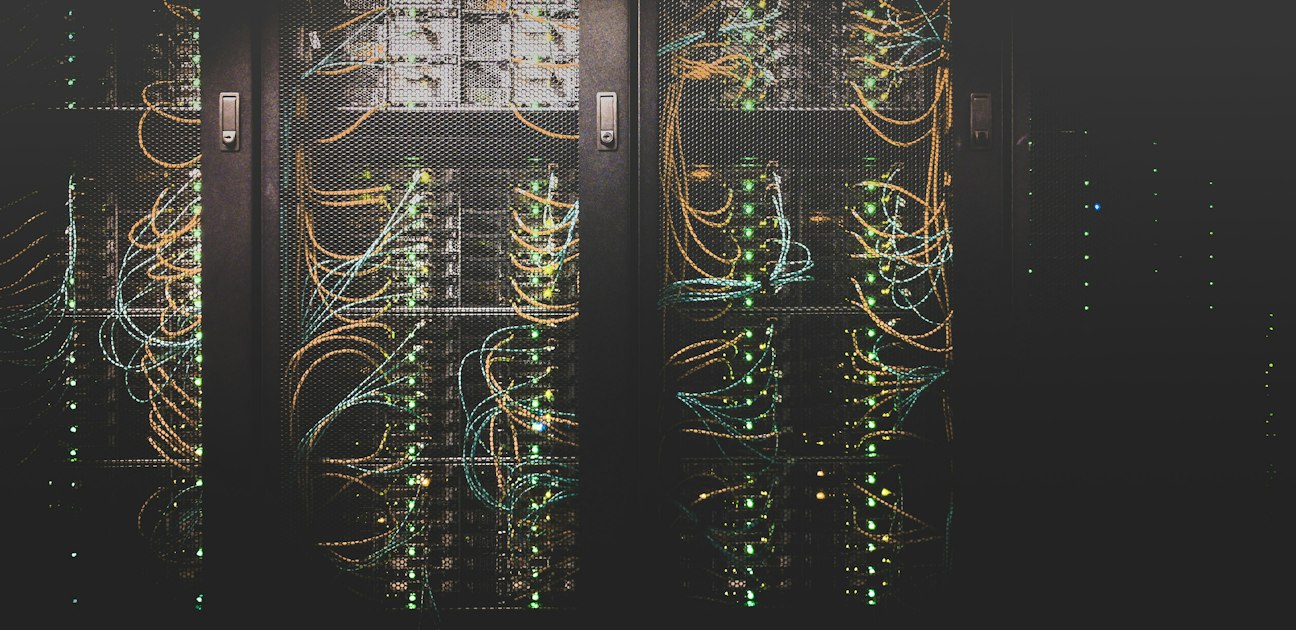
The project is Firebird's AI supercomputing data center, which would be the first of its kind in the Caucasus. Phase 1, worth $500 million, began in September 2025. In February 2026, during an official US visit to Yerevan, Phase 2 was announced at a total of $4 billion, adding 41,000 NVIDIA GB300 GPUs to reach 50,000, enabled by US export licensing and regulatory approvals, according to EU4Digital.
Financing is also local. On March 26, a $300 million syndicated loan was signed by Ardshinbank, Acba Bank, Evocabank, Fast Bank and two asset managers, C-Quadrat Ampega Asset Management Armenia and Amundi-Acba Asset Management. It was described as Armenia's first loan for a technological megaproject and the largest corporate lending transaction in the country's history.
Fitch's wider message is constructive. It expects growth to slow to 5.2% in 2026 from 7.1% in 2025, still well above the 'BB' median of 2.9%, and sees medium-term growth stabilising near 5%, supported by ICT and the reopening of the Amulsar gold mine. It also says low oil dependence limits exposure to the Iran war, while the effect of Russian import restrictions is uncertain, and sees upside from a durable peace agreement and a reopened Turkish border.
For investors the AI project cuts both ways. A $4 billion build-out would be transformative relative to an economy that the government says will reach about 12 trillion drams of GDP, and it ties Armenia into US technology supply chains. But the scale concentrates risk: delays in chip deliveries, power supply, or customer contracts would matter at the macro level, and Fitch's 12% of GDP figure is an upper estimate rather than committed spending.
The signals to track are power capacity, the pace of GPU delivery, and whether the positive outlook converts into an upgrade. If it does, Armenia's funding costs could fall just as it plans a larger investment programme.