Global
EU Maps 30 Million Euro Investment Plan for Middle Corridor Trade Routes

April 23, 2026

4
Min
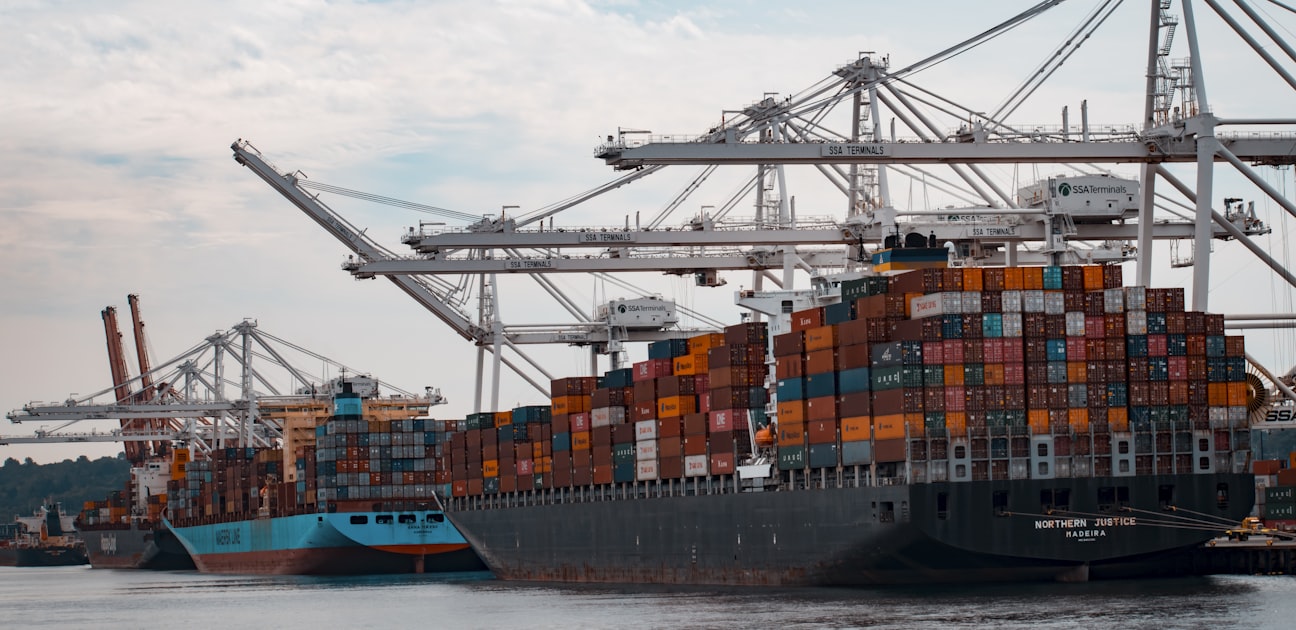
The European Commission has published an EU-funded meta-study that identifies priority investment areas for strengthening transport, trade, energy, and digital connections along the Middle Corridor — the Trans-Caspian trade route linking Europe to Central Asia via the South Caucasus. Accompanying the study is a package of more than €30 million in new funding commitments targeting customs efficiency, logistics harmonization, and critical feasibility work.
The investment package includes a €15 million program for customs efficiency and logistics harmonization across corridor nations, a €10 million partnership with the World Bank for feasibility and environmental studies, and a €5 million initiative with the European Bank for Reconstruction and Development (EBRD) for technical assistance.
"The Middle Corridor is not just a trade route — it is a strategic infrastructure project that connects the EU to some of the fastest-growing economies in Central Asia," said a European Commission spokesperson. The study provides a solid analytical foundation for setting investment priorities aligned with the EU's Global Gateway framework, under which approximately one-quarter of an initial €10 billion pledge has already been converted into active projects.
The European Commission's enlargement portal detailed the scope of the study, noting that it covers rail modernization, port upgrades, road infrastructure, and digital connectivity across the corridor's geography. More than 1,700 kilometers of existing rail lines are being modernized, alongside 4,500 kilometers of new and upgraded rail infrastructure.
Azerbaijan and Georgia are the primary South Caucasus nodes on the corridor. Azerbaijan has been modernizing port operations at Alat and expanding its rail freight capacity, while Georgia is preparing upgrades to its Black Sea connections and road infrastructure. Six new ferries are planned for the Kuryk–Alat Caspian crossing, with the first two entering service in 2026 and additional vessels added through 2028.
The United States has also shown growing interest in the corridor. The Atlantic Council reported that the US Development Finance Corporation has pledged $2 billion in guarantees to de-risk private investments, while Turkey is securing $5 billion in loans from the World Bank and Asian Infrastructure Investment Bank for related projects.
Trade volumes along the Middle Corridor have been growing steadily, driven by European demand for non-Russian transit routes and Central Asian exports of commodities and minerals. Logistics companies report that transit times have been cut significantly, though bottlenecks remain at border crossings and port facilities.