Energy
bp Says 240 MW Shafag Solar Plant Is on Schedule

November 19, 2026

4
Min

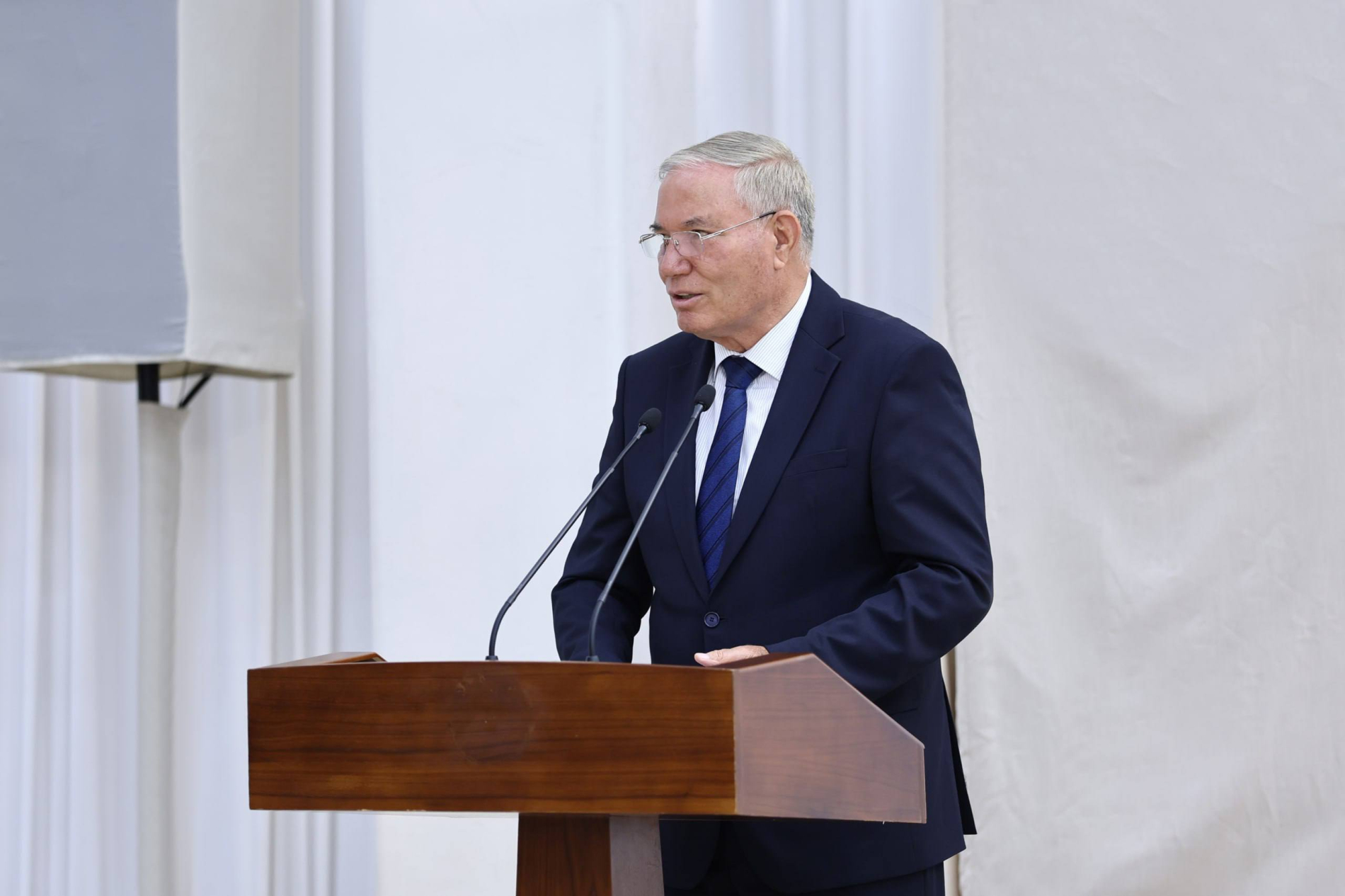
bp says construction of the 240 MW Shafag solar plant in Azerbaijan's Jabrayil district is progressing as planned, with most equipment already on site and a first phase still targeted for the middle of 2027. Bakhtiyar Aslanbayli, bp's vice president for the Caspian, Central Asia and Türkiye region, gave the update, as reported by APA on 19 November 2026.
The update matters because Shafag's output is tied to a much bigger industrial question: how to power the Sangachal terminal, the main gas and oil processing hub on the Caspian coast, with less fuel gas.
According to APA, procurement is largely complete. Solar panels, inverters and other major equipment have been bought and delivered to the site. In one section, pile installation, panel placement and mechanical work are finished, leaving mainly electrical installation. Mechanical work continues in a second section. Azerenergy has completed its work on the project substation. Asked whether the first phase would be ready by mid-2027, Aslanbayli said work was continuing towards that goal, and that logistics and equipment transport could affect the schedule but that no serious problems were currently being observed.
bp's own newsroom puts the project at about 200 million US dollars. In its release of 2 June 2025, which announced the final investment decision, bp described a 240 MW AC plant, with construction running through mid-2027 and up to 400 jobs at peak. Shafag (Jabrayil) Solar Limited is owned 50.01 per cent by bp, 39.99 per cent by SOCAR Green and 10 per cent by the Azerbaijan Business Development Fund, with Lightsource bp, wholly owned by bp, developing and managing the plant.
A bp update of 13 October 2025 added contract detail: an engineering, procurement and construction contract worth about 117 million dollars awarded to Intec and Complant, and a module supply contract of more than 29 million dollars with Trina Solar (Schweiz) AG, whose first panel shipment reached the site in August 2025. The same release disclosed a possible Bronze to Early Iron Age archaeological site found during earthworks, which is being assessed with the Institute of Archaeology and Anthropology.
Shafag does not feed Sangachal directly. Under a virtual power transfer arrangement, the plant's output goes to AzerEnerji, which supplies an equal amount of electricity to the terminal. The Ministry of Energy, on 12 November 2024, said the plant should produce about 500 million kWh a year on average and save 120 to 150 million cubic metres of gas annually. bp says the terminal's seven gas turbines will be phased out once the separate Sangachal electrification project, sanctioned at about 230 million dollars, connects the site to the grid through a new 220/110 kV substation. Together, the two projects are expected to cut the terminal's operational emissions by about 50 per cent over its future life, and to free fuel gas for export.
The sequencing is the point. Stage 1 of the terminal electrification is also due by mid-2027, so any slip at Shafag, whether from equipment logistics or the archaeological finding, would blunt the gas saving the two projects were designed to deliver. The reported progress is therefore reassuring for Baku's export ambitions as much as for its renewables targets, since every cubic metre of fuel gas no longer burned at Sangachal is a cubic metre available for sale.
Three things are worth tracking: whether electrical installation in the first section finishes on the current timetable, whether bp confirms a firm commissioning date rather than a mid-2027 target, and when Stage 1 of the Sangachal electrification reaches readiness. The APA report did not restate capacity, cost or the Sangachal link; those figures come from bp's and the ministry's earlier releases.
Sources: APA, 19 November 2026; bp Azerbaijan, 2 June 2025; bp Azerbaijan, 13 October 2025; Ministry of Energy of Azerbaijan, 12 November 2024.
Image: Caucasus Business Journal archive, via caucasusbusinessjournal.com