Energy
Baku Port container traffic climbs 15% as Middle Corridor volumes build

July 24, 2026

Min
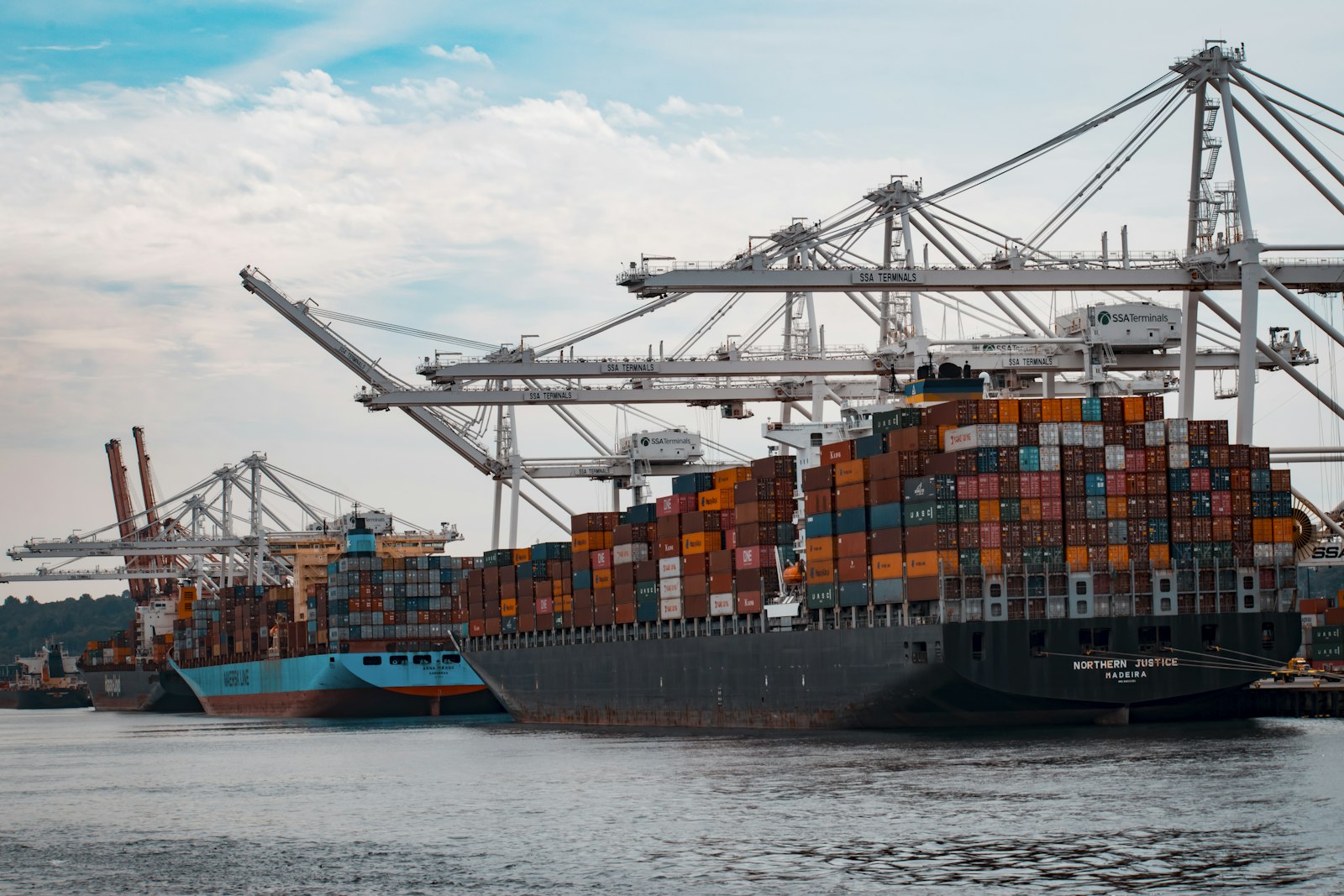
Container handling at the Port of Baku rose 15 percent in the first half of 2026, according to figures from Azerbaijan's ports authority, with total cargo throughput exceeding 4 million tonnes between January and June. The numbers add hard data to a story usually told in memoranda: the Middle Corridor's central Caspian gateway is genuinely getting busier.
The Alat-based port sits at the hinge of the Trans-Caspian International Transport Route, receiving cargo ferried from Kazakhstan's Aktau and Kuryk and Turkmenistan's ports, and dispatching it westward by rail toward Georgia's Black Sea coast and Turkey. Container traffic — the segment most closely watched as a proxy for high-value trade shifting off congested or sanctioned northern routes — has now grown at double-digit rates for several consecutive reporting periods.
Momentum around the corridor is compounding. Azerbaijan and Kazakhstan are deepening logistics cooperation, a new Baku cargo terminal backed by Azerbaijani, Kazakh and Chinese partners has been announced, and Uzbekistan is moving to stand up a joint Caspian shipping venture with Baku — all aimed at the corridor's chronic bottleneck: not demand, but vessel capacity and terminal turnaround on the Caspian itself.
The port's growth also frames Baku's broader bet — that transit, logistics and trade services can become a durable non-oil revenue pillar as the economy diversifies beyond hydrocarbons.
Sources: AzerNews, citing port authority data; Caspian Policy Center.