Energy
Azerbaijan and Uzbekistan Sign 2026-2028 Energy Cooperation Roadmap


4
Min
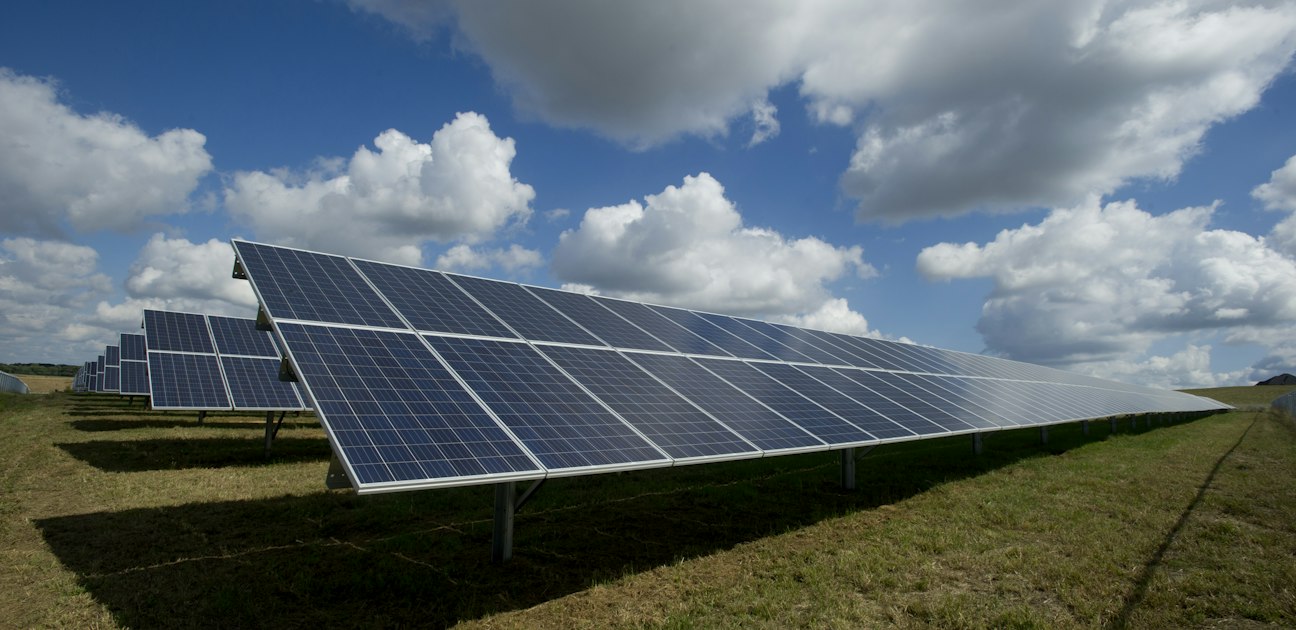
Azerbaijan and Uzbekistan have signed a roadmap for expanding energy cooperation over 2026-2028, formalising a working agenda that spans oil and gas, renewable generation, energy efficiency and cross-border power trade.
The document was signed by Azerbaijan's Energy Minister Parviz Shahbazov and Uzbekistan's Minister of Energy Sherzod Khodjayev. Alongside the roadmap, the two ministers reviewed progress on the Central Asia-Azerbaijan Green Energy Corridor, the proposed transmission scheme intended to move renewable electricity westward from Central Asia through Azerbaijan toward Black Sea and European markets.
The roadmap is a framework rather than a financing commitment, and no project values were attached to it in the official readout. Its practical weight lies in sequencing: it converts a set of bilateral memoranda signed over the past two years into a dated work programme with named workstreams, which is normally the step that precedes feasibility budgets and grid studies. Details of the signing were reported by Trend.
For businesses tracking the region, the more consequential element is the green corridor. Azerbaijan has positioned itself as the interconnection point between Central Asian renewable capacity and European demand, and is simultaneously advancing a Black Sea submarine cable toward Romania. Uzbekistan, meanwhile, has committed to a large build-out of solar and wind capacity and needs export routes that do not run through Russia. A functioning Caspian-crossing link would make both propositions bankable at once, and would give the Middle Corridor an electricity dimension to sit alongside its freight volumes, as covered in reporting from Report.az.
The constraints are well known. A Caspian subsea power link has not been engineered at scale, the seabed survey work is unfinished, and the commercial model for moving electrons across three or more regulatory jurisdictions has not been settled. Roadmaps of this type have historically taken longer than their stated windows.
Still, the direction of travel matters for investors positioning around South Caucasus infrastructure. Azerbaijan is layering transit roles on top of each other - gas through the Southern Gas Corridor, freight through the Middle Corridor, data through Trans-Caspian fibre, and now power through the green corridor. Each additional layer raises the strategic value of Azerbaijani transit assets and strengthens Baku's negotiating position with both Brussels and Central Asian capitals. The 2026-2028 window is short enough that progress, or the absence of it, should be visible well before the roadmap expires.