Energy
bp's 240 MW Shafag Solar Plant Completes Second Grid Phase

November 16, 2025

5
Min
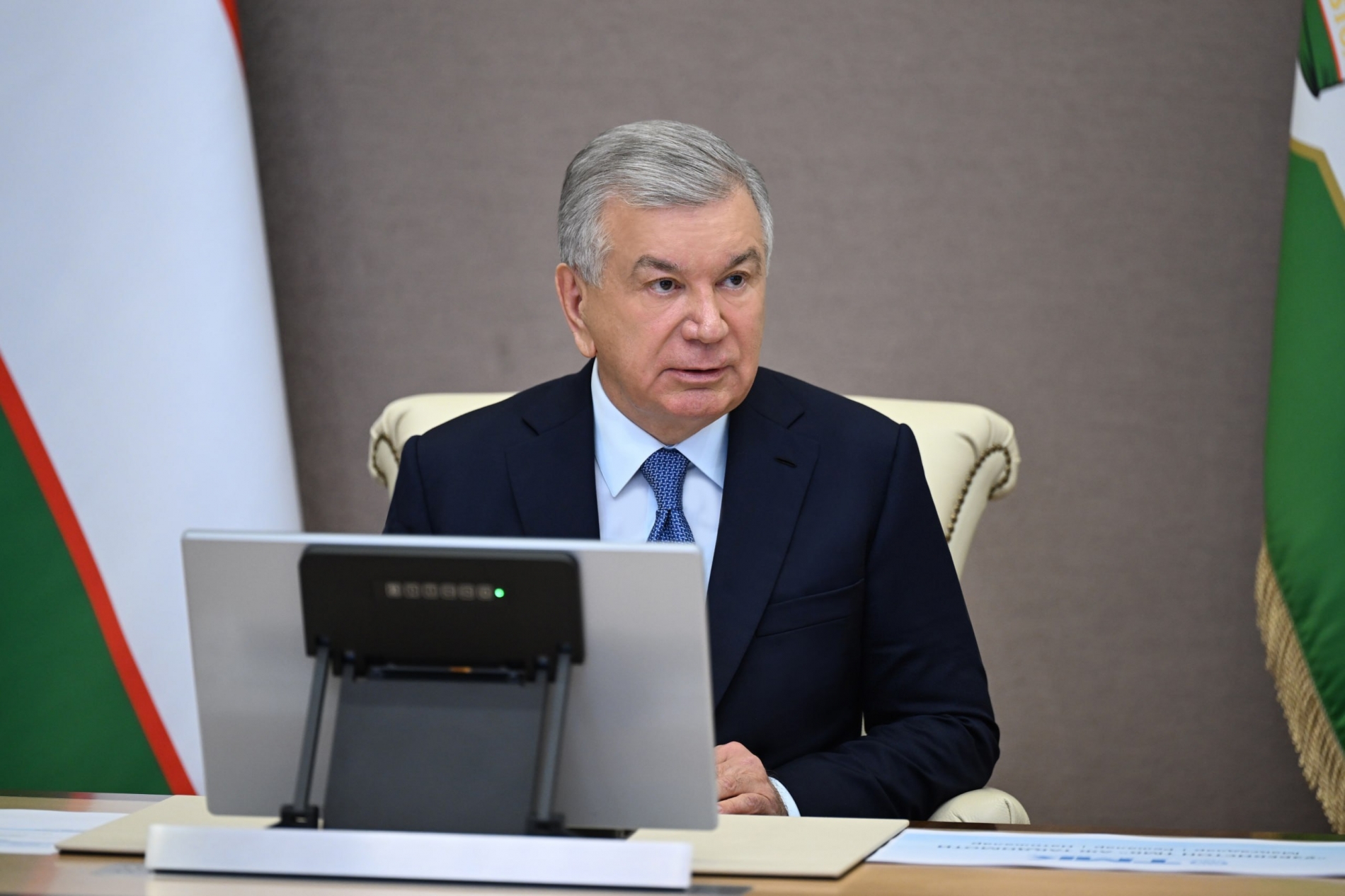
The 220/110/10 kV Yeni Sangachal substation, inaugurated on 3 August 2026 according to the presidential website, completes the second phase of the grid works that will carry power from the 240 MW Shafag solar plant in Jabrayil district to bp's Sangachal oil and gas terminal on the Caspian coast. The substation is operated by the state grid company AzerEnerji.
Three days later, bp's half-year update on the plant, reported by Trend on 6 August, said around 420 people were working on the site, including 150 from the territories Azerbaijan regained from Armenian forces. Trend added that construction is expected to continue through mid-2027.
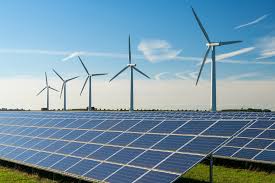
The two announcements show how the Shafag project is split. A bp-led company builds the plant, while the state builds the substations, power lines and access road. The aim is to replace a gas-fired plant at Sangachal: the terminal's annual demand of about 500 million kWh is to be met from renewable sources, saving 120 to 150 million cubic metres of gas and 260,000 to 330,000 tonnes of carbon dioxide a year. bp has said the fuel gas freed at the terminal will be available for export.

The first phase of the grid link opened on 9 May, when a 330 kV digital substation in Soltanli village was connected to the Jabrayil energy hub by a 7.5 km double-circuit line. In the briefing published on the presidential website, AzerEnerji's chairman described Shafag as the first utility-scale solar project and the largest direct foreign investment in the regained territories.
The second phase is larger. The Yeni Sangachal substation covers 6.5 hectares and is tied to the national grid by four new 220 kV lines with a combined length of 111 km. Five 110 kV lines totalling 25 km run from it to the terminal, and two more lines are planned in the next phase. It will supply the Sangachal terminal (80 MW) and the Shah Deniz compressor station (85 MW), which together use more than 1 billion kWh a year.
The power will not travel on a dedicated line. Solar output from Jabrayil enters the national grid and an equivalent amount is delivered to Sangachal, so the electricity reaching the terminal need not come from Jabrayil itself, as Azernews explained in its account of the opening.
Road access came first. An 11.5 km two-lane road to the plant opened on 28 October 2025, built under a presidential order of December 2024.
According to Trend's account of bp's update, photovoltaic modules and structural components had been delivered, pile and tracker installation was well advanced, and the first batches of electrical equipment had arrived, so electrical installation could start in the following weeks. The first solar panel was installed in early April. The workforce is expected to exceed 700 at peak, and the site camp is being expanded.
The $200 million project was sanctioned in June 2025. Shafag Jabrayil Solar Limited is owned 40.01 per cent by bp, 39.99 per cent by SOCAR Green, 10 per cent by the Azerbaijan Business Development Fund and 10 per cent by Hungary's MVM. The Ministry of Energy and bp first signed an implementation agreement for the 240 MW plant on 3 June 2021, according to the Azerbaijan Renewable Energy Agency.
The regained areas have been declared a green energy zone by the government. At the 13th meeting of the working group that monitors the zone, held at the Ministry of Energy, the renewable energy agency's director, Javid Abdullayev, reported progress on solar plants in Jabrayil, four small hydropower plants being built by private investors in Kalbajar and Lachin, and wind measurements for a planned plant in Kalbajar, Trend reported on 29 July.
The same meeting heard that solar panels with a combined capacity of more than 8,000 kW had been fitted to more than 2,500 homes and public buildings in the area, and that local electricity demand was being met entirely from green sources, with the surplus sent to the national grid.
Shafag is one piece of the government's wider renewables programme. Its output will add to that of the 230 MW Garadagh plant near Baku, in operation since 2023, and of the wind farms already feeding the grid.
The next step on the grid side is the two further 110 kV lines to the terminal that the presidential website says are planned; no date has been given for them.