Mining
Uzbekistan's 2030 Metals Targets Demand a Copper Leap

November 25, 2026

3
Min
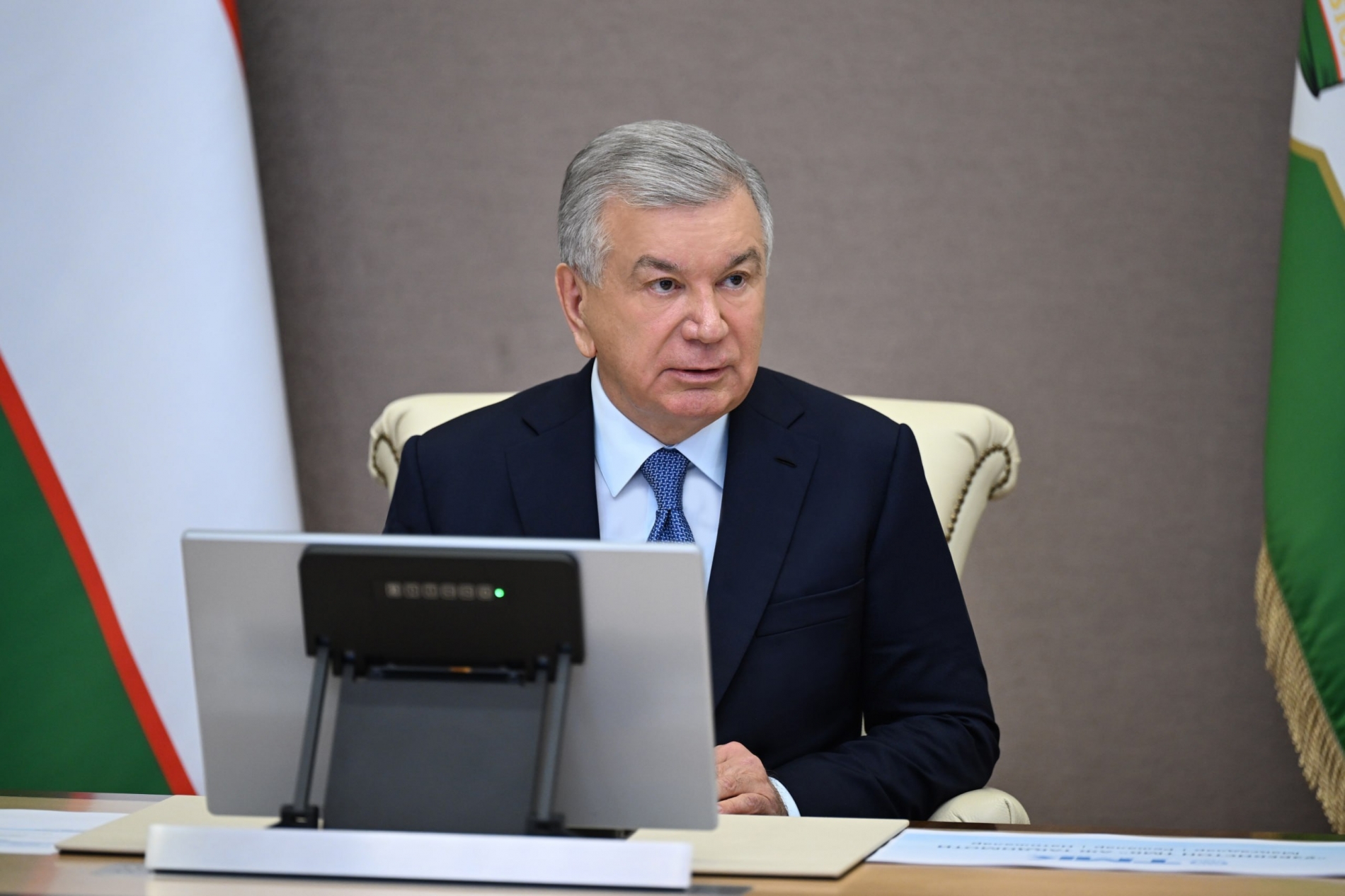
President Shavkat Mirziyoyev used the first meeting of the Uzbekistan-Türkiye High-Level Council for Business Support in Tashkent on 19 November to restate the country's 2030 mining goals: 175 tonnes of gold a year, 500 tonnes of silver and 500,000 tonnes of copper capacity, according to UzDaily and Trend. The remarks are six days old, but the numbers matter for what they ask of the sector over the next four years.
The targets were presented as an invitation. Turkish companies were invited into joint projects in mining, deep processing of minerals and green energy, and into partnerships with Uzbek manufacturers of electronics, transformers, household appliances and electrical equipment, according to UzDaily. The state news agency UZA also reported the call for cooperation in mining and green energy, and in "deep copper processing". The same speech set a 2030 renewables goal of 25 GW, or 54% of electricity generation, and $5bn of electrical engineering exports backed by $11.6bn of investment, per UzDaily.
The figures are not new. At a meeting during a visit to the Almalyk Mining and Metallurgical Complex in March, the presidential press service listed the same 2030 targets, alongside a uranium goal of 15,000 tonnes, and set out this year's marks: 120 tonnes of gold, 210.5 tonnes of silver, 172.5 thousand tonnes of copper and 8,000 tonnes of uranium. It put industry investment this year at $2.2bn across 90 projects, with current projects worth $22bn in total (president.uz). What changed in November is the audience: the targets are now a sales pitch to a strategic partner, not only a domestic planning goal.
Our calculation from the March baselines shows the scale. Gold must rise by 55 tonnes, or about 46%, from the 2026 target of 120 tonnes. That is roughly 10% a year compounded over four years. Silver must more than double. Copper is the steepest: 500,000 tonnes is nearly three times the 172,500 tonnes targeted for this year, which implies growth of around 30% a year. One caveat applies: the November reports describe copper as production capacity, while the March list gives a production target, so the comparison is indicative.
That jump cannot come from existing plants. It rests on new processing capacity, such as the Almalyk plant that CBJ reported had passed 10m tonnes of ore, and on foreign technology and finance. This helps explain the call for partners in deep copper processing, the stage where more of the value of the metal is kept at home.
Power is the first. Mining and refining are energy hungry, and the 25 GW renewables target is part of the same plan. The second is the pace of financing: $22bn of projects needs partners willing to commit capital on Tashkent's timetable. The third is macroeconomic. Gold is also a balance-sheet tool, as CBJ noted when it covered how gold exports fell 79% while the soum held firm, so higher output will not automatically mean higher export earnings.
Look for named Turkish investors and signed agreements in copper processing, any update to the 2026 output marks when the year closes, and whether power supply for the new plants keeps pace. The test of the 2030 numbers is the 2027 targets: if copper does not step up sharply next year, the path to 500,000 tonnes becomes harder to believe.
Sources: UZA, state news agency; UzDaily; Trend; President of Uzbekistan, press service.
Image: Press Service of the President of Uzbekistan, via president.uz (Caucasus Business Journal archive)