Energy
Azerbaijan Gas Exports Reach 16.37 bcm, but Revenue Slips 4.8% to $5.7bn


4
Min
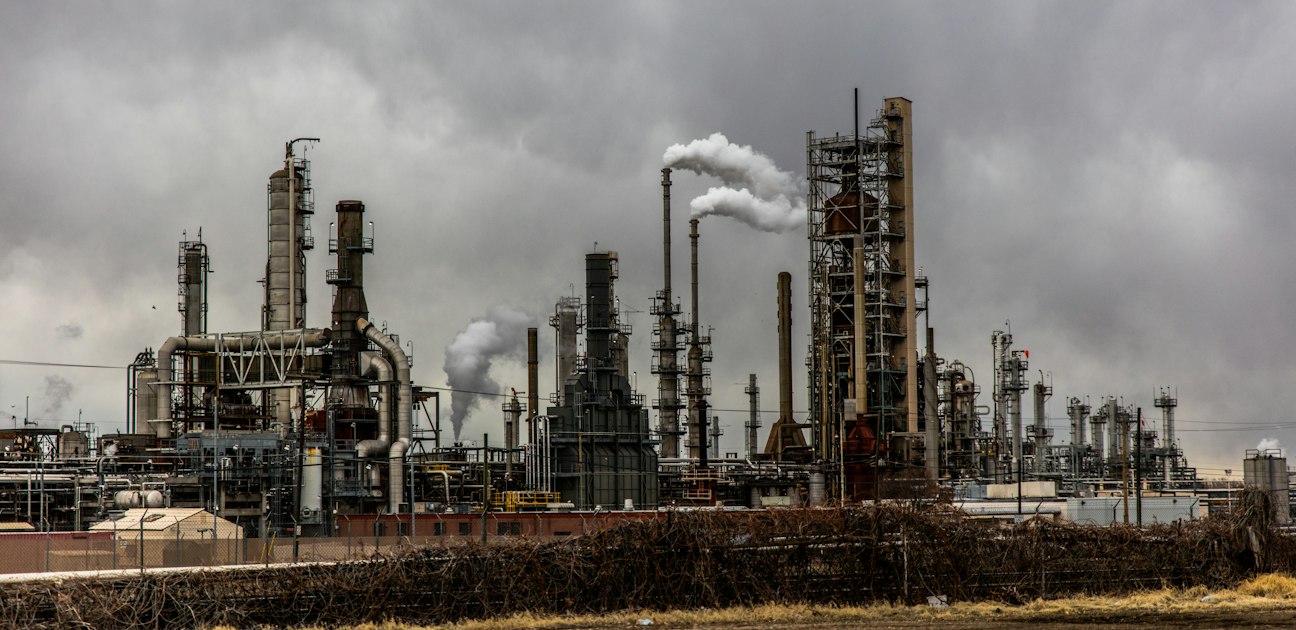
Azerbaijan exported 16.37 billion cubic metres of natural gas worth $5.7 billion in the first eight months of 2026, according to Trend, citing official customs data. Revenue fell by $286 million, or 4.8%, compared with January–August 2025, while the physical volume declined by only 75 million cubic metres, or 0.5%.
The gap between the two figures is the key takeaway: Azerbaijan is shipping almost the same amount of gas as a year ago but being paid less for it. A 0.5% volume dip against a 4.8% value drop points to lower realised prices rather than a supply problem, although the data do not break out contract pricing by buyer.
The gas figures sit inside a foreign trade turnover of $33.2 billion for the period, up 3.49%, or $1.12 billion, on last year. Total exports reached $21.8 billion, and EU countries were the largest destination at $11.75 billion, or 53.86% of the total. That concentration makes Azerbaijan's export earnings sensitive to European demand and price benchmarks.
Baku has repeatedly signalled ambitions to lift gas deliveries to Europe through the Southern Gas Corridor, and new capacity such as the Absheron expansion is moving ahead. For now, though, the eight-month data show flat volumes. Growth in Azerbaijan's headline export figures is therefore coming from other categories rather than from gas, which is worth noting for anyone modelling energy revenue.
The broader economy is also under pressure from the oil side. The Asian Development Bank recently cut its 2026 growth forecast for Azerbaijan to 1.6%, citing oil sector contraction, which raises the importance of stable gas income to the budget and to foreign exchange supply.
Investors should track whether Q4 volumes rise as new field capacity comes online, and whether European benchmark prices recover enough to close the value gap. Until then, gas remains a stable but price-exposed pillar of Azerbaijan's external accounts, with the EU as its anchor customer.