Diplomacy
Azerbaijan's Exports to Armenia Reach $17.4 Million as Two-Way Trade Takes Shape

August 18, 2026

4
Min
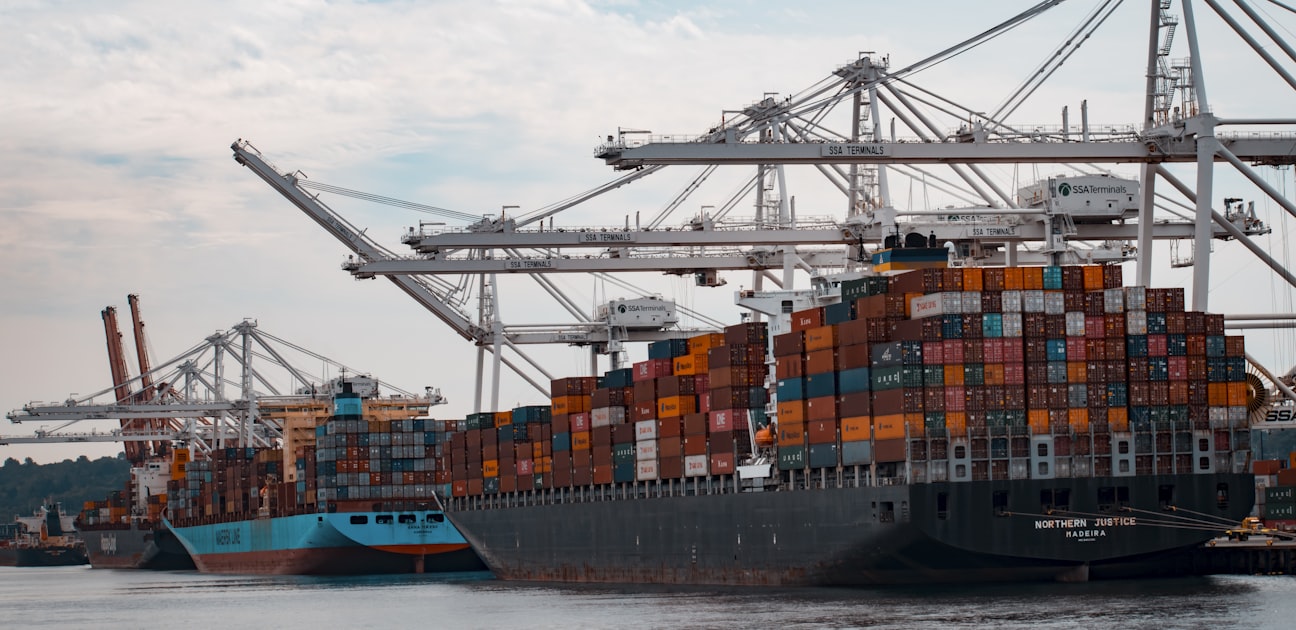
Azerbaijan exported goods worth $17.372 million to Armenia in the first seven months of 2026, according to Azerbaijani customs data reported this week — a figure that would have been unthinkable before the two countries' August 2025 peace framework began unlocking direct commerce.
The flow remains almost entirely one-directional. The value of Azerbaijan's indirect imports from Armenia amounted to just $960 over the same period, with no direct imports recorded. But that asymmetry may be about to narrow: Prime Minister Nikol Pashinyan told journalists last week that "there is an agenda for mutual trade with Azerbaijan, and in the near future exports from Armenia to Azerbaijan will also take place." He did not specify which goods or companies would be involved.
The trade figures cap a year of rapid normalisation in cross-border logistics. Azerbaijan has lifted all transit restrictions on Armenia, and around 60,000 tonnes of cargo have moved through Azerbaijani territory to and from Armenia over the past year, according to a joint statement issued by the United States, Armenia and Azerbaijan on the first anniversary of the Washington summit. Azerbaijan has also supplied Armenia with 20,000 tonnes of petroleum products, and Russian wheat is now transiting Azerbaijani rail: a recent consignment of 20 railcars carried 1,400 tonnes, bringing total deliveries via that route above 40,000 tonnes.
Physical infrastructure is following the goods. Azerbaijani technical specialists have visited Armenia twice — in September 2025 and January 2026 — and bilateral work is underway on power transmission lines, pipelines, cables and railways, Pashinyan said. The two countries have announced plans to integrate their electricity systems on an equal basis, enabling mutual power exports.
The commercial thaw is anchored by the TRIPP transit project, where engineering surveys are underway on the Armenian section while Azerbaijan says its own road and railway links to the Armenian border are close to complete. Washington has backed the route with a $201 million contribution to a Trans-Caspian fund designed to attract private investment along the Middle Corridor.
For businesses on both sides, the seven-month trade number is small in absolute terms but directionally significant: a market that did not exist eighteen months ago now has customs statistics, regular fuel deliveries and a stated timeline for reciprocal flows.