Energy
Azerbaijan and China Partner to Build Trans-Caspian Green Energy Corridor

April 23, 2026

4
Min
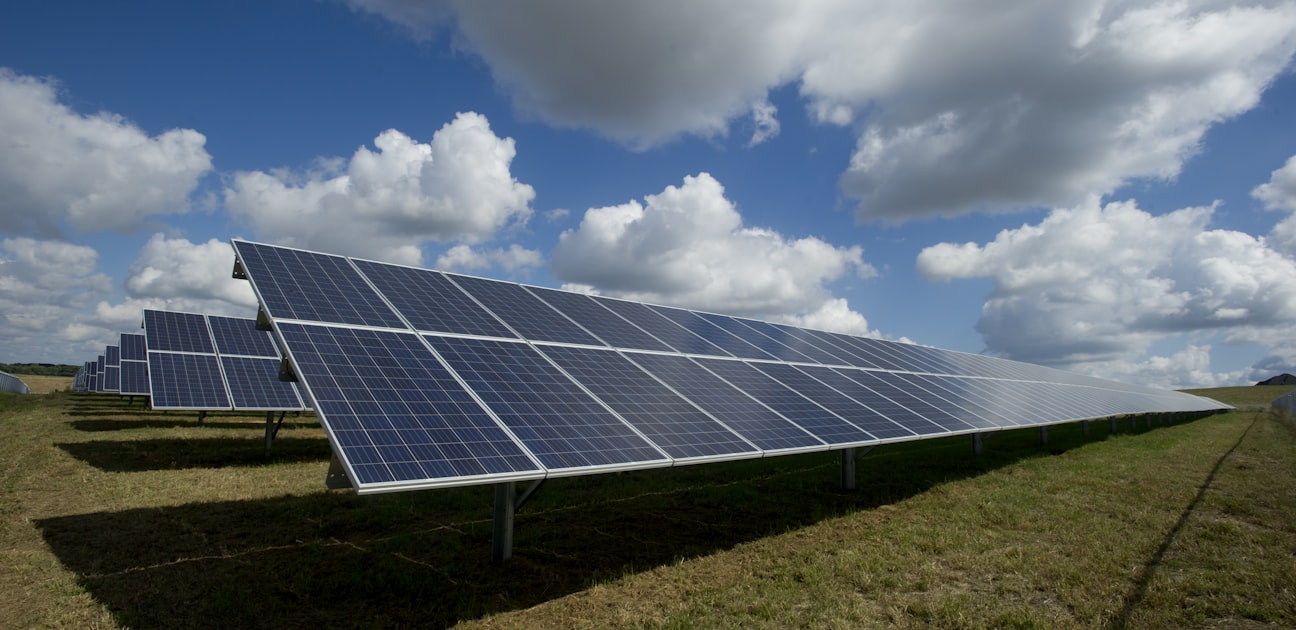
Azerbaijan is deepening its partnership with Chinese energy companies to develop major solar and offshore wind projects that could anchor a long-planned green energy corridor delivering Caspian renewable power to European markets. The collaboration represents one of the most ambitious clean energy initiatives in the South Caucasus, with the potential to reshape the region's energy landscape and create new export revenue streams beyond hydrocarbons.
The offshore wind component, envisioned for Azerbaijan's Caspian Sea shelf, is being developed in cooperation with leading Chinese renewable energy firms that bring extensive experience in large-scale wind farm construction. The project is designed as the catalyst for the planned corridor spanning the Caspian and Black seas, connecting Central Asian renewable generation capacity to European demand centers.
"This is not just about building a wind farm — it's about creating an entirely new energy export infrastructure," said a senior energy official in Baku. "The green energy corridor has the potential to position Azerbaijan as the renewable energy gateway between Asia and Europe, just as the Southern Gas Corridor has done for natural gas."
The OilPrice.com analysis detailed the scope of the partnership, noting that Baku is simultaneously working with Kazakhstan and Uzbekistan on a trans-Caspian power line, and with Georgia, Romania, and Hungary on a submarine cable under the Black Sea. These interconnected projects would create a continuous renewable energy transmission network from Central Asia to the European Union.
Azerbaijan has committed to commissioning 6 gigawatts of wind and solar capacity by 2030 and 8 gigawatts by 2032 under signed contracts with international developers. The country's target of generating 30 percent of its electricity from renewable sources by 2030 is driving a wave of investment in both generation and transmission infrastructure.
Chinese technology and financing are playing a significant role across the renewable energy value chain. Beyond the offshore wind project, Chinese firms are involved in solar panel manufacturing, battery storage systems, and grid modernization initiatives. The partnership aligns with China's Belt and Road Initiative and its strategy of exporting clean energy technology to emerging markets.
The Black Sea submarine cable project, which would connect Azerbaijan and Georgia to Romania and Hungary, is currently undergoing feasibility studies with support from the European Bank for Reconstruction and Development. If completed, the cable would enable direct electricity exports from Caspian renewable sources to EU markets, creating a new dimension in Europe's energy diversification strategy.
Industry analysts note that the success of the green energy corridor will depend on resolving several technical and commercial challenges, including grid stability, cross-border regulatory harmonization, and the economics of long-distance power transmission. The Caspian News reported that Azerbaijan's accelerating green energy transition is attracting growing international attention, with multiple European utilities and development finance institutions expressing interest in participating.