Energy
Azerbaijan Signs $10bn in Baku Deals as Absheron Gas Decision Lands


4
Min
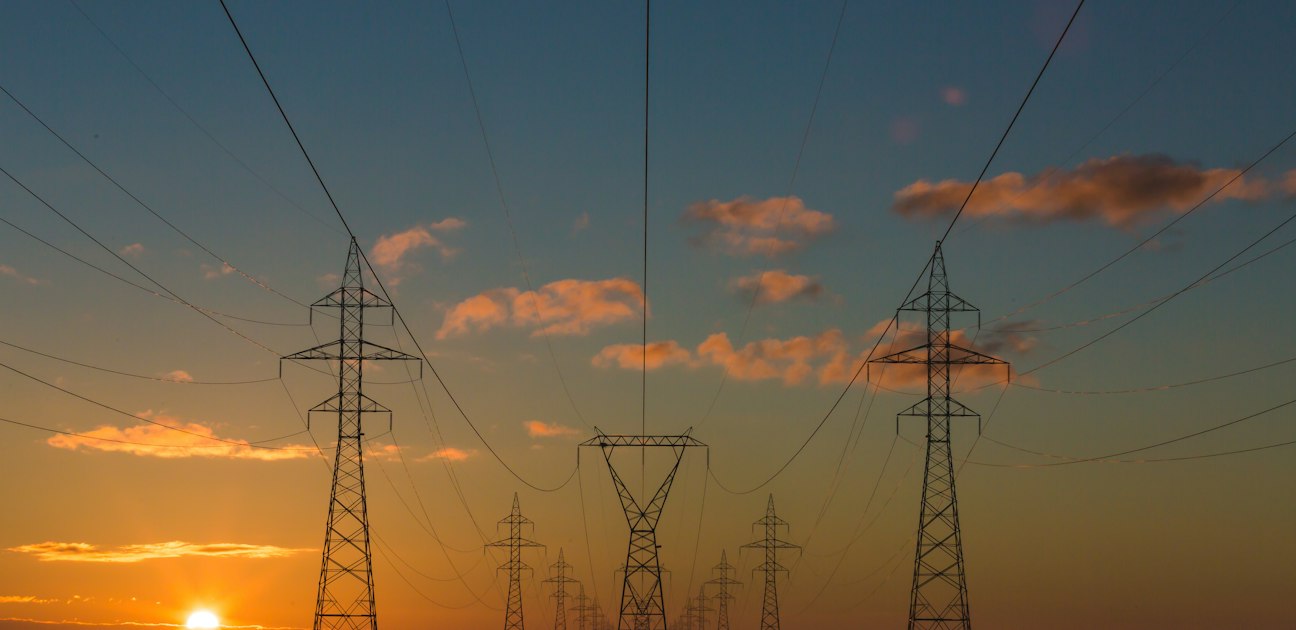
Azerbaijan used its International Investment Forum in Baku to announce agreements worth more than $10 billion in potential investment, with energy at the centre. A presidential aide announced the package at the end of September, and it combines a major gas-field decision, a new unconventional-resources deal and a pipeline of data-centre and artificial intelligence talks.
The headline item is the final investment decision on full-field development of the Absheron gas and condensate field, one of the largest offshore fields in the Caspian Sea. SOCAR, TotalEnergies and Abu Dhabi's XRG are the partners. President Ilham Aliyev said the second phase would add about 5 billion cubic meters of annual gas production within three to four years. Separately, SOCAR and ExxonMobil signed a production-sharing agreement for unconventional hydrocarbon resources in the Middle Kura basin, with each holding 50% and ExxonMobil as operator, according to Hydrocarbon Processing.
The forum followed another significant Gulf commitment. On September 15, XRG, the international energy investment arm of ADNOC, announced completion of its acquisition of an equity stake in Southern Gas Corridor CJSC from Azerbaijan's Ministry of Economy. The corridor runs roughly 3,500 km from the Caspian through Georgia and Turkey into Southern Europe, with capacity of up to 26 billion cubic meters a year. XRG's Mohamed Al Aryani said the company is "building a resilient platform that connects advantaged supply with growing regional and European demand," as reported by The National. Financial terms and the stake size were not disclosed.
The UAE relationship is broadening beyond gas. Masdar and Azerbaijan Green Energy Company are exploring an expansion of the 230 MW Garadagh solar plant by at least 350 MW with up to 200 MWh of battery storage, and Masdar and SOCAR Green reached financial close on the 315 MW Neftchala solar project, backed by the AIIB, EBRD and ADB. Non-oil trade between the two countries reached $2.16 billion in 2025, up from $980 million in 2022, and a Comprehensive Economic Partnership Agreement took effect in April.
Aliyev put the structural picture plainly: oil and gas still account for more than 90% of exports, while the non-oil sector makes up over 70% of GDP. Azerbaijan exported 25 billion cubic meters of gas last year, about half of it to EU countries, and transit cargo is expected to reach 16 million metric tons this year, with a target of 25 million tons or more by 2030.
The partner mix is itself a signal. TotalEnergies, ExxonMobil and XRG are among the world's most capital-rich energy investors, and their presence in a single week suggests Azerbaijan is successfully diversifying who funds its upstream and transit assets. With XRG already holding 30% of the Absheron field and a stake in Turkmenistan's offshore Block I, Abu Dhabi is building a Caspian portfolio that spans production and transport. The article that reported the SGC completion also tied the deal to Europe's push to reduce reliance on Russian gas and to supply disruptions linked to the Strait of Hormuz closure.
There is a domestic angle too. Aliyev's observation that the non-oil sector makes up more than 70% of GDP while hydrocarbons still dominate exports highlights the policy challenge: converting energy revenue into diversified, productive capacity. The renewable projects, the unconventional-resources agreement and the digital-infrastructure talks are all attempts to broaden that base. The transit target of 25 million tons or more by 2030, up from an expected 16 million this year, underlines how central the Middle Corridor has become to the strategy.
For investors, the message is that Baku is pairing near-term gas supply growth with a longer bet on power, minerals, transit and digital infrastructure. The $10 billion figure is potential investment rather than committed capital, and the data-centre and AI discussions remain at the negotiation stage with unnamed international companies. The Absheron decision and the XRG stake, however, are firm steps that lock in more Caspian gas for European buyers at a moment when supply security is a priority.