Finance
Armenia's Economic Activity Grows 6.5% in July on Construction Boom

August 27, 2026

4
Min
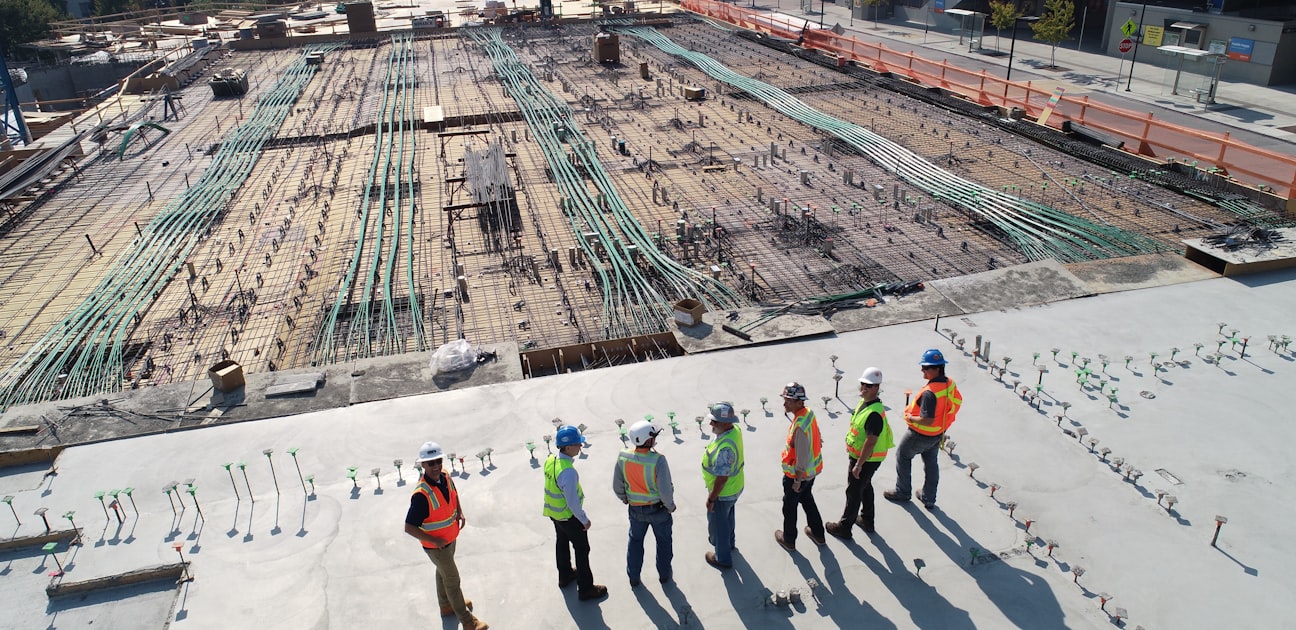
Armenia's economy accelerated again in mid-summer. Economic activity grew 6.5 percent in July compared with the same month last year, according to official figures reported on August 26 by JAMnews, with the expansion concentrated in a familiar pair of engines: building sites and services.
Construction output jumped 26.5 percent year-on-year in July, by far the strongest sectoral performance. Services grew 17 percent and industry added a more modest 3.1 percent, while trade turnover slipped 0.1 percent, the one soft spot in the monthly data.
The construction surge is consistent with what has been visible across Yerevan for several quarters: large residential projects, infrastructure works and early activity connected to the TRIPP transit corridor, where engineering surveys for the railway on Armenian territory are already underway.
The real-economy momentum is mirrored in the financial sector. Armenian banks earned a combined net profit of 219.72 billion drams in the first half of 2026, up 9.48 percent year-on-year, according to ArmBanks, and S&P has assessed the sector as well capitalized and highly profitable. Credit institutions' loan and leasing portfolios continued to expand in the second quarter, providing the financing channel behind the construction pipeline.
The July data landed as the National Assembly approved the government's programme for 2026-2031, with 63 MPs voting in favor and 24 against. The programme frames the government's economic agenda around connectivity, diversification of trade partners and continued European integration, an orientation that has already reshaped trade flows as Russia restricts imports of Armenian agricultural products.
The 6.5 percent July print sits above the World Bank's 5.3 percent full-year growth projection for 2026. Whether the gap persists depends largely on whether construction's 26.5 percent surge proves durable through the autumn, and on how quickly services growth normalises from its double-digit pace.
Photo: Unsplash