Energy
Romania Set to Join Azerbaijan-Georgia-Turkey-Bulgaria Green Energy Alliance

March 17, 2026

4
Min
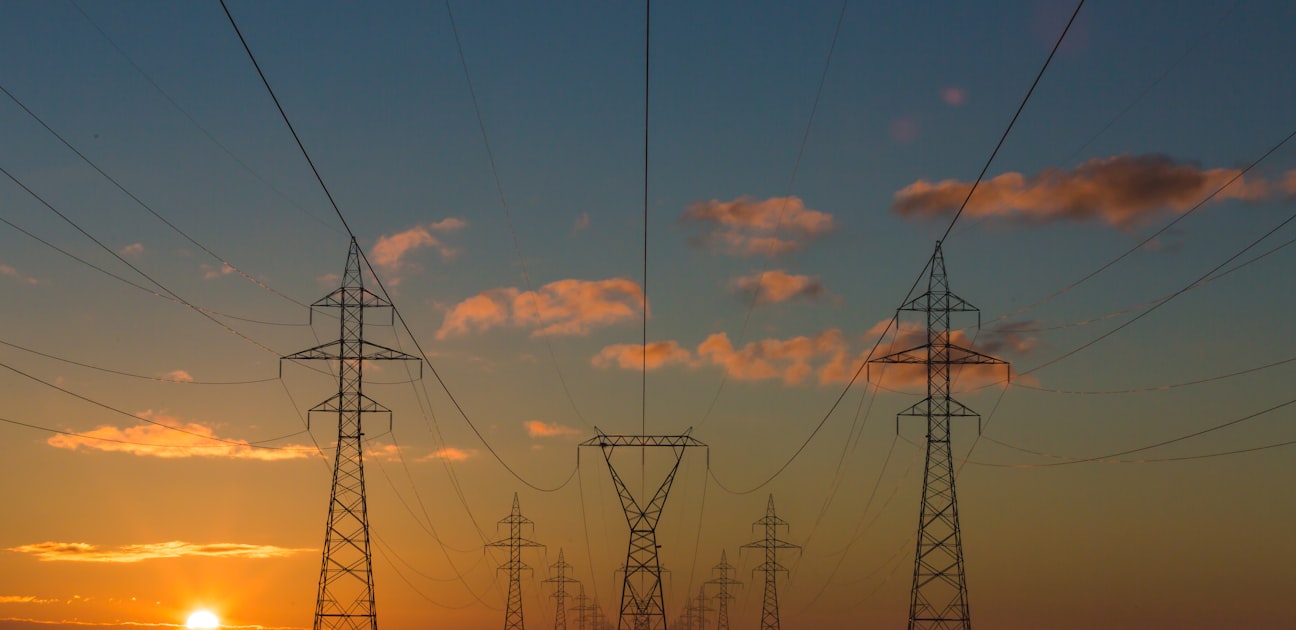
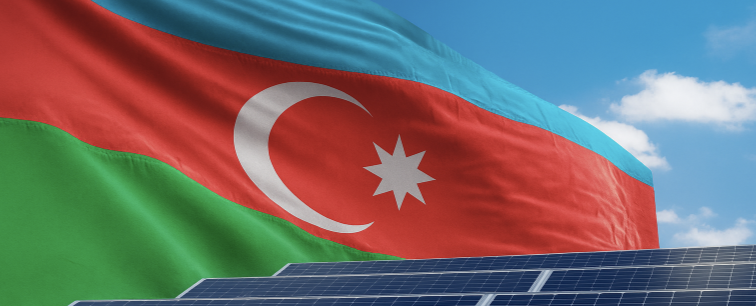
Romania is expected to join the green energy alliance linking Azerbaijan, Georgia, Turkey, and Bulgaria — a development that would extend Azerbaijani renewable electricity exports into the heart of the European Union's eastern flank. The expansion, reported by Trend.Az citing regional energy market sources, reflects growing European appetite for Caspian-sourced clean power as the continent accelerates its shift away from Russian energy dependence.
The existing alliance is built around a Black Sea submarine electricity cable project supported by the European Commission and the World Bank, which aims to carry Azerbaijani wind and solar power from the Caspian region through Georgia and across the Black Sea to Bulgaria and then onward into the EU grid. The project directly aligns with Azerbaijan's target of 6 to 8 gigawatts of renewable capacity by 2032 and President Aliyev's explicit strategy of using surplus clean electricity to substitute domestic gas consumption and create new export streams.
Romania's addition to the alliance is strategically significant on multiple dimensions. As one of the EU's largest energy consumers in Eastern Europe and a country with its own growing renewables sector, Romania provides both a demand market and a transit option for Azerbaijani green power heading toward Central and Western European buyers. Romania is also a NATO member and an active participant in EU energy security policy, which means its participation carries political weight alongside the commercial logic. The World Bank approved $35 million in preparatory activities for the Black Sea ESPIRE submarine cable project in 2024, providing infrastructure credibility to the corridor.
For Azerbaijan, the alliance expansion is a tangible realisation of the long-term strategy articulated at the Green Energy Advisory Council ministerial meetings: becoming a clean energy exporter to Europe, not just a natural gas supplier. SOCAR Green currently manages a 1.4 GW renewable project portfolio with Masdar and Chinese partners, targeting expansion to nearly 6 GW. Each new EU member joining the alliance increases the commercial offtake certainty that de-risks project financing for Azerbaijani renewable generation. Trend.Az confirmed that the alliance expansion discussions are underway and Romania's participation is expected to be formalised in 2026.
For European utilities, financiers, and infrastructure funds, the alliance's expansion is a signal that the Black Sea renewable corridor is moving from a conceptual framework to an investable project pipeline. The combination of EU institutional backing, World Bank financing, and Azerbaijani generating capacity gives the corridor a credibility that most emerging market renewable export projects lack.