Energy
KazMunayGas Maps 23 Exploration Projects to 2030

November 24, 2026

3
Min
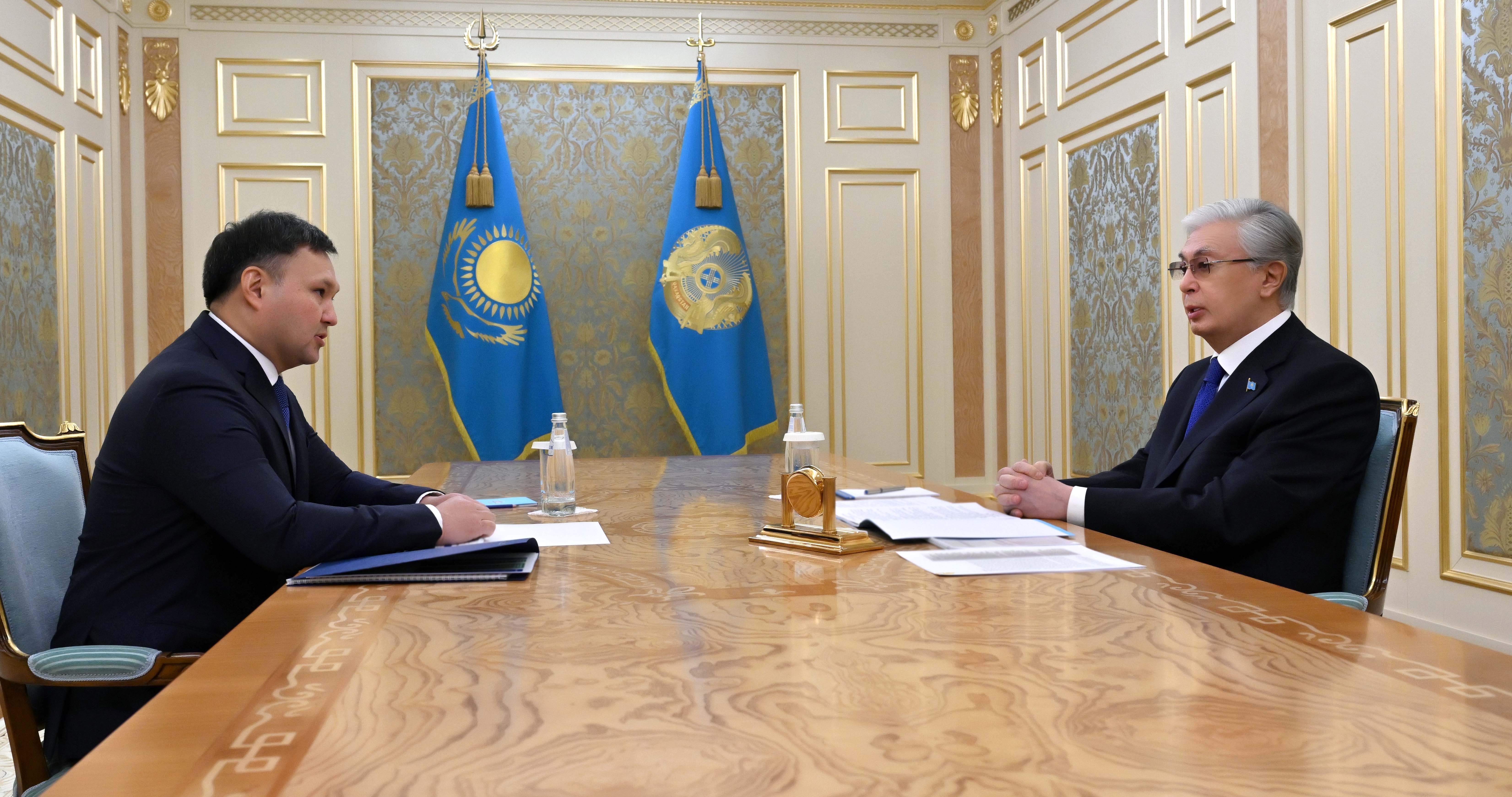
Kazakhstan's national oil and gas company, KazMunayGas (KMG), has set out a five-year exploration programme of 23 projects with a combined resource potential of 4.7 billion tonnes of fuel equivalent. Askhat Khassenov, chairman of the KMG management board, presented the plan to President Kassym-Jomart Tokayev on 23 November 2026, according to the presidential office, as part of a briefing on the company's results for the first ten months of the year.
The briefing matters because it shows where the state wants its oil champion to spend money next: finding new reserves, lifting gas output and squeezing more fuel out of domestic refineries. Each of those goals answers a specific pressure on the Kazakh economy.
The 2026 to 2030 programme covers 60,000 linear kilometres of seismic surveys and 26 prospecting and exploration wells. KMG's market capitalisation stands at 22 trillion tenge, and its investment projects total 16.7 trillion tenge, the presidential office said. Trend News Agency put those figures at about $48.4bn and $36.7bn respectively.
Two assets have entered commercial development: the West Karasor field in Atyrau region and the coastal zone of the Karazhanbas field in Mangystau region. KMG is also introducing digital twins, powered by artificial intelligence, at its oil fields.
On gas, the company plans to raise marketable output from 2.6 billion to 4.5 billion cubic metres in the short term, with gas facilities under construction in Atyrau, Aktobe and West Kazakhstan regions. Tokayev instructed the company to continue its systematic work on exploration and investment projects.
New fields such as West Karasor are small next to the giant projects that dominate national production, but they show KMG trying to rebuild its own resource base rather than relying only on its stakes in foreign-led ventures.
The refining figures point to a second priority: fuel security. Domestic refineries processed 14.9 million tonnes of crude in the ten months, and KMG expects light petroleum product output to rise by 800,000 tonnes by the end of 2026 compared with last year. The Shymkent refinery is being expanded to 12 million tonnes a year and the Pavlodar petrochemical plant from 6 million to 9 million tonnes.
Kazakhstan has struggled to keep its own market supplied. The Ministry of Energy extended restrictions on road exports of gasoline, diesel and some other oil products to 21 November 2026, Caspian Post reported in May, continuing curbs first introduced in November 2025. At the same time, Astana wants to sell more fuel abroad: earlier this month it signed a framework agreement on petroleum product supplies with Tajikistan, which even foresees new or expanded refining capacity in Kazakhstan to meet Tajik needs, Trend reported. Extra refinery capacity is the link between those two aims.
Gas is the third pressure point. Lifting marketable gas output by roughly 70% would come alongside the polyethylene and gas separation projects KMG is developing in Atyrau region.
Sources: Office of the President of Kazakhstan, The President Receives Chairman of the Management Board of KazMunayGas Askhat Khassenov; Trend News Agency, KazMunayGas reports ten-month results and investment progress for 2026; Caspian Post, Kazakhstan Extends Fuel Export Ban Until November 21; Trend News Agency, Kazakhstan, Tajikistan strengthen energy ties through new supply agreements
Image: Office of the President of Kazakhstan, via akorda.kz