Energy
Caspian-to-Europe Green Energy Corridor Clears Feasibility, Enters Build Phase

July 15, 2026

3
Min
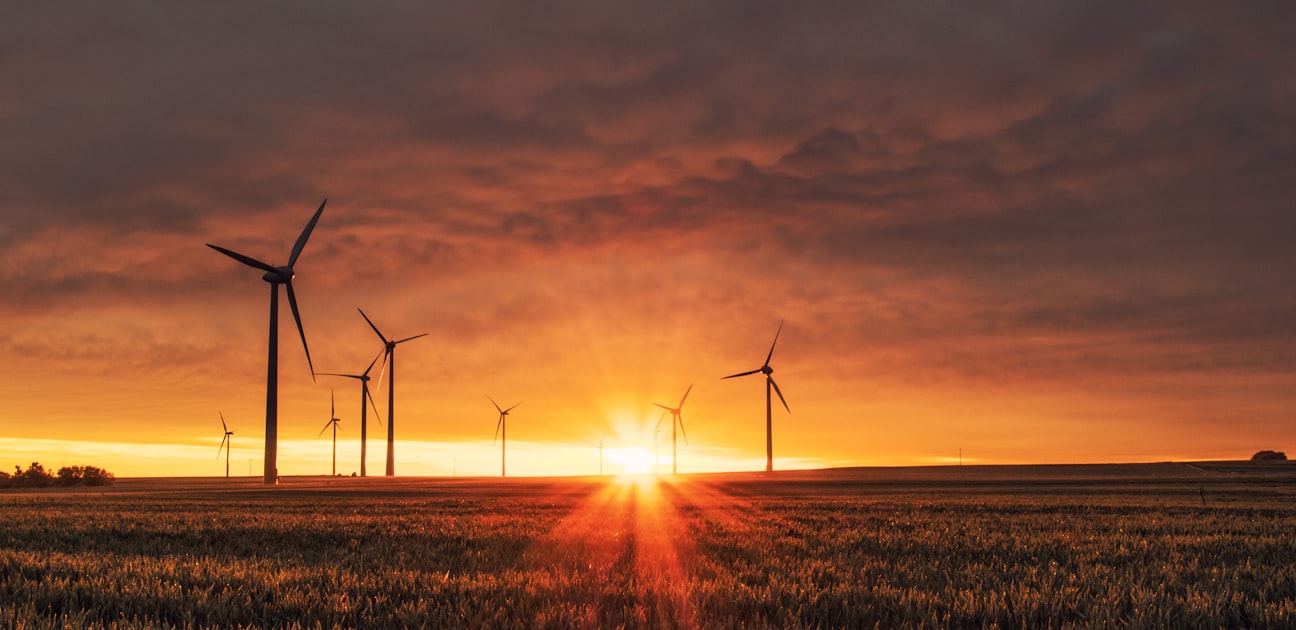
The Caspian Sea–Black Sea–Europe Green Energy Corridor has crossed its most important threshold since inception: the feasibility study is complete, and the four participating states — Azerbaijan, Georgia, Hungary and Romania — have formally advanced the project into its development and implementation phase.
The decision came at the corridor's 12th Steering Committee meeting, held in Baku in early July with Azerbaijan's Energy Minister Parviz Shahbazov presiding. “The successful completion of the feasibility study moves the project from the planning stage to the development and implementation phase,” Shahbazov said, in remarks reported by Caspian Post.
The completed study was comprehensive rather than cosmetic: market modeling, cost-benefit analysis, power system integration, route selection, business model assessment, conceptual design, implementation planning and procurement strategy. That scope matters, because the corridor's central ambition — delivering Caspian renewable power under the Black Sea into the EU grid — has often been dismissed as politically attractive but commercially unproven. A finished feasibility package is the first institutional answer to that skepticism.
What happens next is concrete. The corridor's joint venture, GECO, has been tasked with preparing a detailed implementation roadmap leading to a final investment decision, while national energy regulators in all four countries open a dialogue on the regulatory framework. The next Steering Committee convenes in Romania in November — the first checkpoint for the new phase, per the ministerial readout carried by AzerNews.
For the South Caucasus economies, the corridor is more than an export cable. It anchors Azerbaijan's post-hydrocarbon energy strategy, gives Georgia a structural role as transit geography for electrons as well as molecules, and — paired with the new 20-year Azerbaijan–Georgia electricity agreement — suggests the region's grid integration is moving faster than its politics. Investors tracking the space now have a date to watch: Romania, November.