Energy
Azerbaijan's 470MW Solar Pipeline Speeds Green Transition

August 30, 2026

4
Min
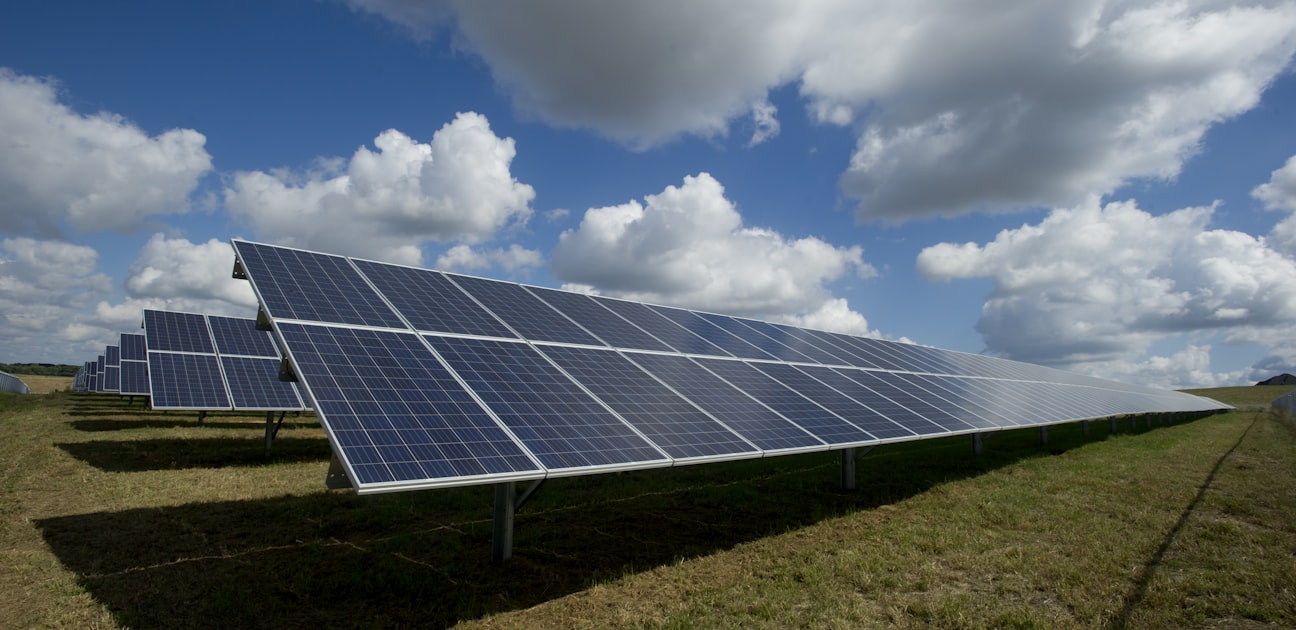
Azerbaijan is accelerating its green energy transition with two major solar projects totaling nearly 470 megawatts of capacity underway, signaling that the country best known as a hydrocarbon exporter is taking its renewable energy ambitions seriously — and building an infrastructure base that could help reshape its long-term economic model.
The 230 MW Garadagh Solar Power Plant, located near Baku, is now operational and represents Azerbaijan's largest single renewable energy facility to date. Developed in partnership with ACWA Power of Saudi Arabia, the project was commissioned in 2024 and has been generating clean electricity at scale, contributing to Azerbaijan's goal of reaching 30 percent renewable energy in its electricity mix by 2030.
Construction is underway on the 240 MW Shafag Solar Power Plant in the Jabrayil District — situated in Azerbaijan's recently reclaimed territories. Shafag, when completed, will add significant generating capacity and serve as a symbol of the economic reconstruction underway in the reclaimed territories. The plant's location also positions it as a potential supplier to any future cross-border energy trade arrangements enabled by the TRIPP corridor.
The dual projects are part of Azerbaijan's formal commitment under the Paris Agreement to reduce greenhouse gas emissions by 35 percent by 2030 relative to 1990 levels. While the country's fiscal position remains dominated by oil and gas revenues, policymakers in Baku recognize that building a credible renewable energy sector is essential for long-term economic resilience and international credibility.
The World Economic Forum has noted that traditional producers like Azerbaijan are essential players in the global energy transition, given their technical expertise, financial resources, and institutional capacity. Azerbaijan's approach — using revenues from fossil fuel exports to fund renewable infrastructure — is increasingly cited as a model for resource-rich economies navigating the energy transition.
Beyond solar, Azerbaijan is developing offshore wind resources in the Caspian Sea and exploring green hydrogen production potential, anticipating that future European energy demand will increasingly favor hydrogen imports over natural gas. SOCAR and several European partners are conducting feasibility studies on green H2 export routes that could leverage existing pipeline infrastructure. The country's Ministry of Energy has outlined targets for reaching 4 gigawatts of renewable capacity by 2027, a goal that would require substantial additional project commissioning beyond the current pipeline.
For Azerbaijan, the solar expansion represents more than just an energy story — it is an economic diversification narrative that resonates with international investors, multilateral lenders, and trading partners increasingly scrutinizing the carbon footprint of their supply chain partners.
Further Reading:
Azerbaijan's 2030 Renewable Energy Target: Progress and Challenges
South Caucasus Green Hydrogen: Export Potential and Investment Outlook