Global
Azerbaijan Non-Oil Exports Rise 7.3% to $3.3 Billion

August 30, 2026

4
Min
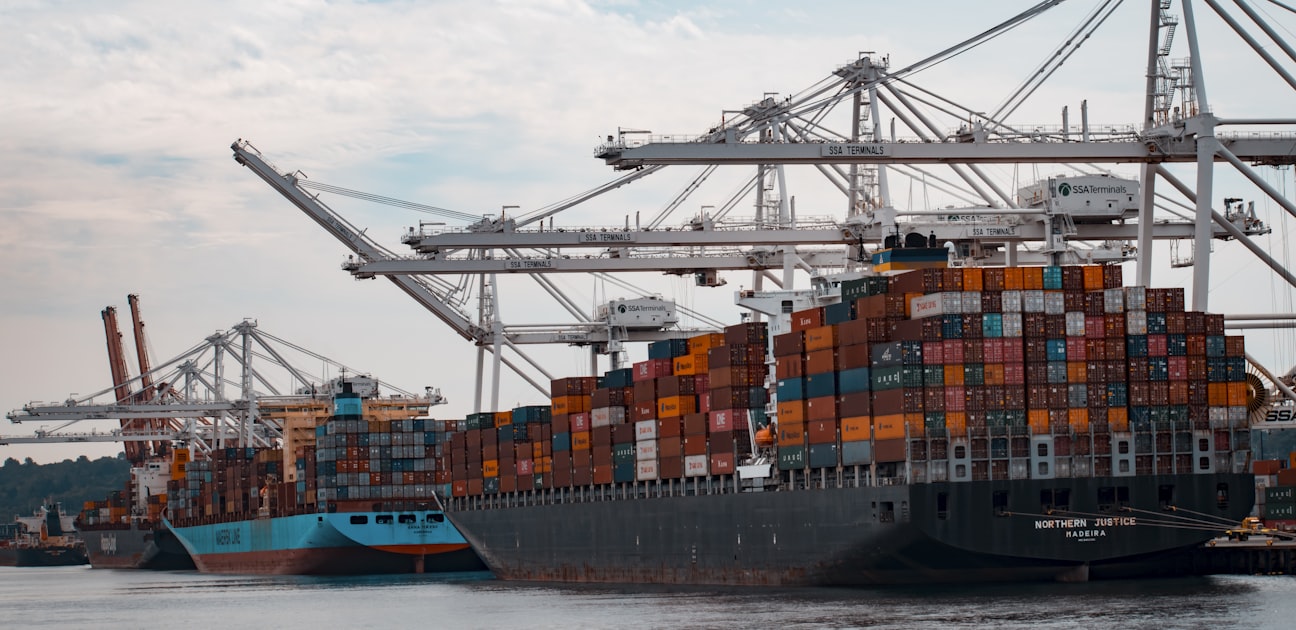
Azerbaijan's non-oil exports grew 7.3 percent from January to November 2025, reaching $3.3 billion and underscoring the country's sustained commitment to economic diversification beyond hydrocarbons. The growth in non-oil trade has become a driving force in Azerbaijan's development strategy, with agriculture, manufacturing, transport services, and information technology leading the expansion.
The diversification effort is not a short-term policy pivot but rather a continuous national strategy that has been building momentum over the past decade. Azerbaijan's government has implemented a series of structural reforms aimed at improving the business environment, reducing bureaucratic barriers, and creating incentives for private sector development in non-oil sectors.
Agriculture has been a particular focus, with investments in modern irrigation systems, cold storage facilities, and food processing capacity enabling Azerbaijan to expand its agricultural exports to regional and international markets. The country's favorable climate supports production of fruits, vegetables, tea, and wine, while livestock farming has also expanded with improved breeding programs and veterinary infrastructure.
Manufacturing is another growth area, with Azerbaijan developing light industrial capacity in construction materials, textiles, and consumer goods. The Sumgait Chemical Industrial Park and the Balakhani Industrial Park near Baku have attracted both domestic and foreign investors seeking to establish production facilities that serve the broader Caspian and Central Asian markets.
Transport and logistics services have emerged as a significant non-oil revenue stream, reflecting Azerbaijan's strategic position on the Middle Corridor. The modernization of the port at Alat, expansion of rail freight capacity, and development of free trade zones have positioned Azerbaijan as a multimodal transit hub connecting Europe with Central Asia and China.
Foreign direct investment has supported the diversification agenda. More than $29 billion in FDI has flowed into Azerbaijan over the past five years, with Turkey, Switzerland, and the United States among the largest contributors. While a substantial portion targets the energy sector, an increasing share is directed toward non-oil industries, real estate development, and services.
The Asian Development Bank has highlighted Azerbaijan's diversification progress in its regional assessment, noting that the country is moving toward more diversified, resilient, and inclusive development. The ADB's recommendations include further reforms to the business regulatory environment, enhanced vocational training programs, and deeper integration into global value chains.
Despite the positive trajectory, challenges remain. The non-oil sector still accounts for a relatively modest share of total export revenues compared to hydrocarbon sales, and the economy remains vulnerable to oil price fluctuations. Analysts note that sustained policy commitment and continued institutional reform will be essential to maintaining diversification momentum through 2030 and beyond.