Energy
Azerbaijan, Kazakhstan, Uzbekistan Form Green Corridor Union

August 30, 2026

4
Min
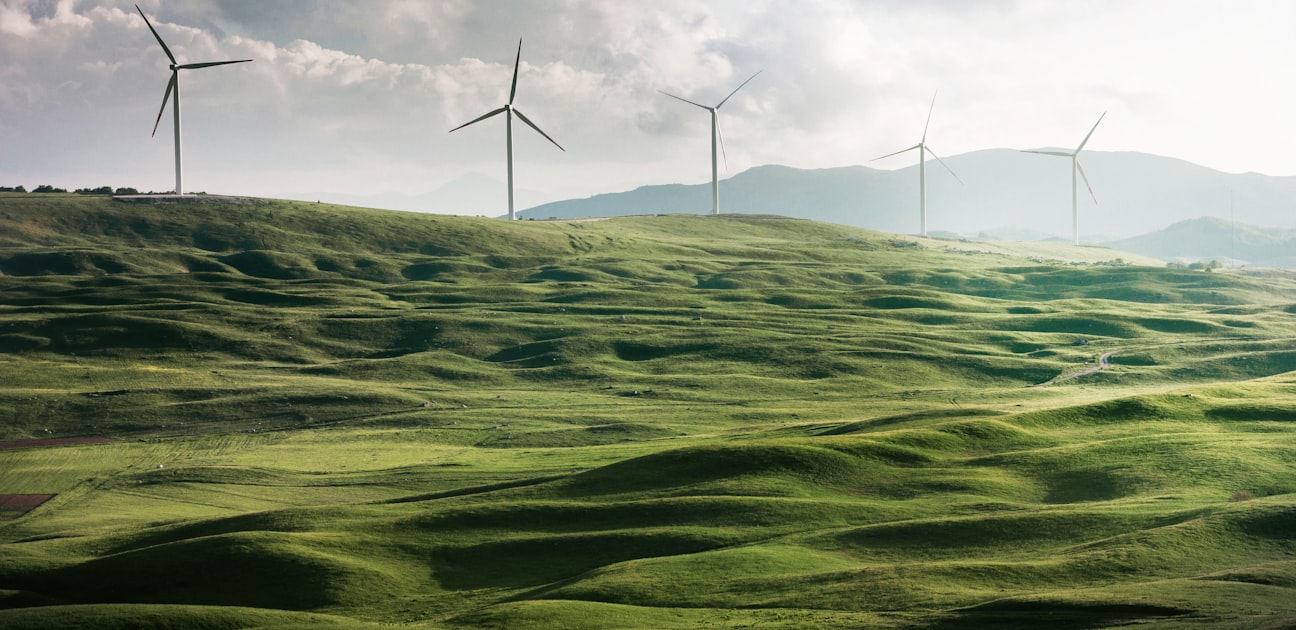
The presidents of Azerbaijan, Kazakhstan, and Uzbekistan have launched the Green Corridor Union, a strategic joint venture connecting the grid operators of all three countries for cross-border green energy development and transmission. Signed during COP 29 in Baku, the initiative represents one of the most ambitious regional clean energy partnerships in the post-Soviet space.
The Green Corridor Union aims to integrate the renewable energy systems of three nations that collectively span the Caspian basin and Central Asian steppe—regions with some of the world's highest solar irradiation levels and most consistent wind resources. By connecting their national grids, the countries can share renewable generation capacity, balance intermittent supply across time zones, and create a foundation for exporting green electricity to European markets.
Azerbaijan brings to the partnership its position as a transit hub between Europe and Asia, along with existing energy infrastructure that can be adapted for renewable electricity transmission. The country's plans for a subsea cable across the Black Sea to Romania could eventually channel green electricity generated across the entire Caspian region to EU markets.
Kazakhstan contributes vast land resources suitable for utility-scale solar and wind installations, along with a growing pipeline of renewable projects developed in partnership with international companies including Masdar and Total. The country has set a target of reaching 15 percent renewable electricity generation by 2030, up from approximately 5 percent currently.
Uzbekistan, the most populous Central Asian nation, adds significant solar potential and a rapidly liberalizing energy market that has attracted substantial foreign investment in recent years. The country's renewable energy auction program has secured some of the lowest solar tariffs in the region, demonstrating commercial viability for large-scale deployment.
The partnership aligns with broader international investment trends. The recently announced $2.2 billion joint venture between TotalEnergies and Masdar targets renewable projects across multiple countries in the region, as reported by Renewable Energy Asia Portal. This private sector investment will complement the government-to-government framework established by the Green Corridor Union.
Technical challenges remain significant. Integrating three national grid systems requires harmonized standards, investment in cross-border transmission infrastructure, and sophisticated grid management systems capable of handling variable renewable generation. The involvement of international development banks and technology providers will be critical to addressing these challenges.
The geopolitical implications of the Green Corridor Union extend beyond energy. The partnership deepens economic integration among three countries that have historically competed for regional influence, creating shared interests that could enhance stability and cooperation across the broader Central Asia-Caspian region. The World Economic Forum has described Azerbaijan's dual energy strategy as a model for how traditional energy producers can lead the green transition.