Energy
Azerbaijani Fuel Reaches Armenia as Yerevan Loosens Russian Energy Grip

June 28, 2026

4
Min
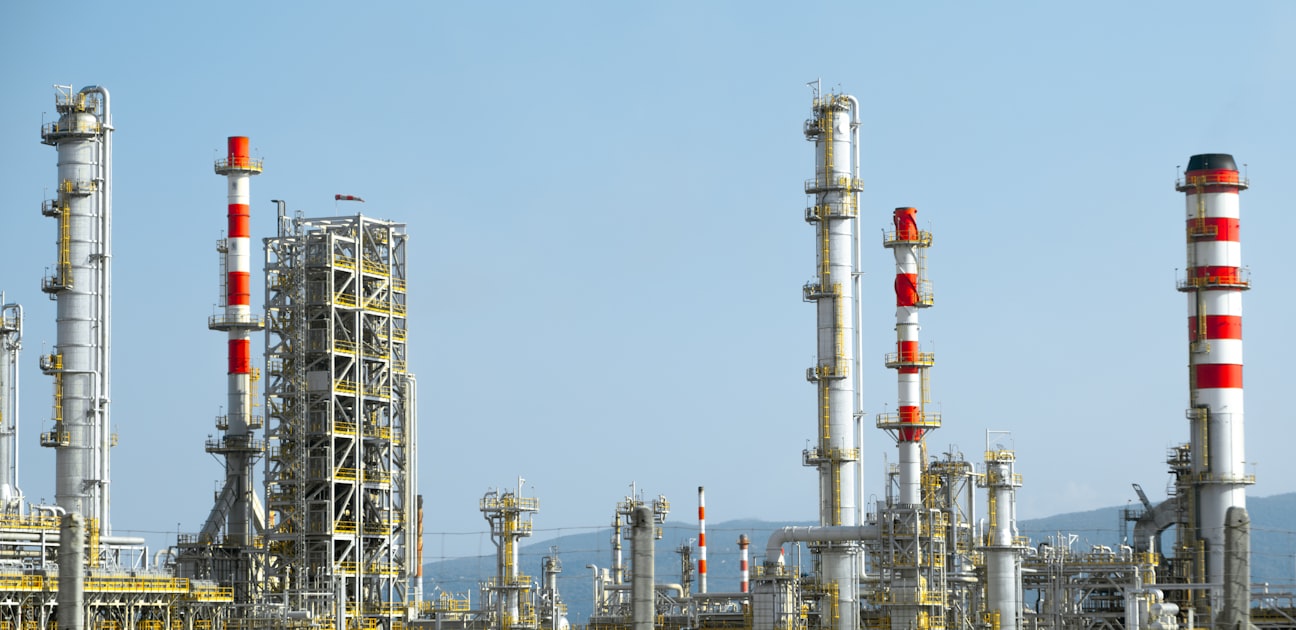
Azerbaijani fuel is now flowing into Armenia, a development that would have been unthinkable a few years ago and one that signals how quickly the South Caucasus energy map is being redrawn. In late December a train carrying 24 wagons of Azerbaijani-produced gasoline crossed from Georgia into Armenia for the Armenian market — a post-Soviet first — and the trade has continued to widen through the first half of 2026.
The fuel shipments sit on top of a broader commercial thaw. In October 2025 Azerbaijan lifted its long-running ban on goods entering Armenia from Azerbaijani territory, and within weeks shipments of Russian and Kazakh grain began arriving in Armenia via Azerbaijan for the first time in decades. According to JAMnews, the energy dimension has been handled with conspicuous official silence on both sides, even as the volumes climb.
Customs data from Azerbaijan show exports to Armenia reached roughly $5.75 million in the first quarter of 2026 — a small absolute figure, but a meaningful one given that the corridor was effectively closed for a generation. For Yerevan, the strategic logic is clear: buying Azerbaijani petrol and diesel is a way to loosen Armenia's heavy energy dependence on Russia, diversifying supply at a moment when Moscow's role across the region is under pressure.
The commercial opening has been building since the spring. As Euronews reported, the two governments have moved from a frozen standoff to actively exploring ways to expand trade and economic cooperation, part of the wider normalisation that followed their peace framework. Azerbaijani and Armenian officials have since agreed to further explore opportunities to deepen commercial ties.
For business, the second-order effects matter more than the headline tonnages. A functioning Azerbaijan–Armenia trade channel lowers logistics costs for landlocked Armenia, opens Georgia's transit role to new volumes, and begins to knit together a regional market that investors have long treated as three separate, politically capped economies. Armenia's own macro backdrop is supportive: economic activity rose 7.1 percent in April 2026, with construction and mining leading the expansion.
Risks remain. The fuel trade is still modest, politically sensitive, and reversible if the normalisation process stalls. But the direction of travel is unmistakable — energy, the most strategically guarded of commodities, is now moving across a border that was sealed for thirty years. The next signals to watch are whether the volumes scale beyond symbolic shipments, whether pricing becomes competitive with Russian supply, and whether the corridor is formalised into long-term contracts rather than one-off trainloads.