Business
Armenia Construction Volume Jumps 20.5% as Sports Village Project Advances

April 23, 2026

4
Min
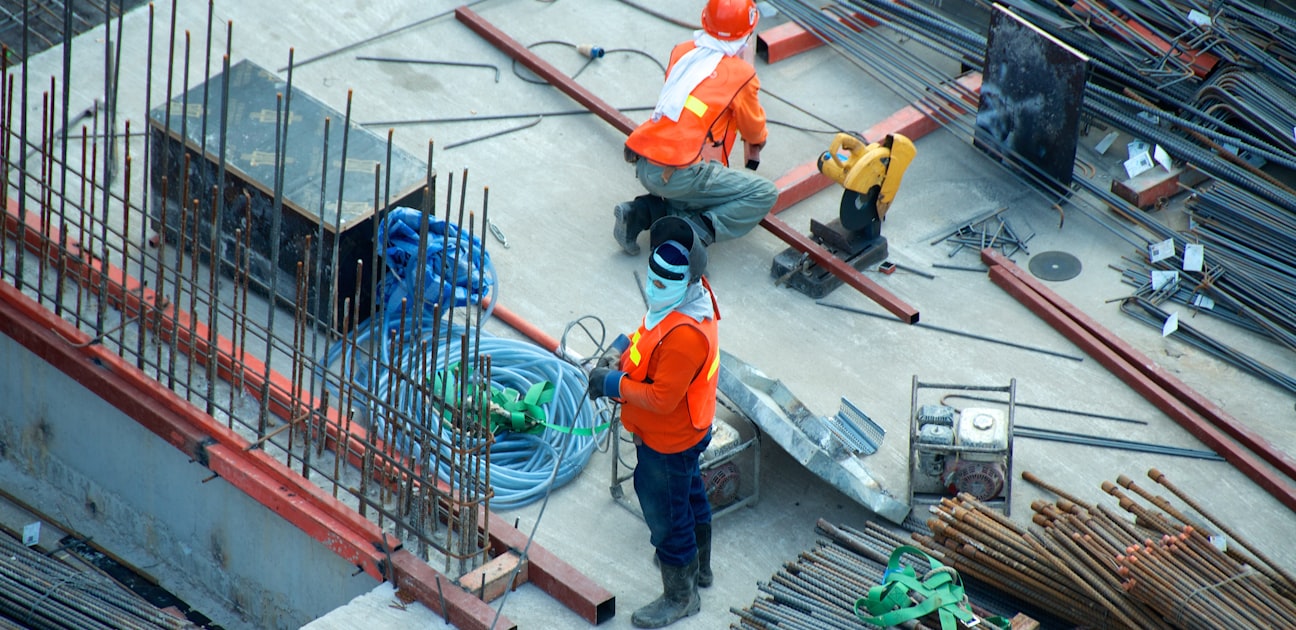
Armenia's construction sector is experiencing a significant boom, with volumes surging 20.5 percent in January-February 2026 compared to the same period last year, reaching 53,953.7 million drams. The growth is being fueled by major public infrastructure projects, including the ambitious Pan-Armenian Games Sports Village, and increasing private sector investment in residential and commercial developments.
The centerpiece of the construction boom is the Pan-Armenian Games Sports Village, a project approved by the Armenian government with a budget of approximately 20.9 billion drams (about $55.6 million). The complex will serve as the primary venue for the upcoming Pan-Armenian Games and is designed to provide lasting legacy infrastructure for the country's sports and hospitality sectors.
The Sports Village project includes construction of athlete housing, training facilities, a main stadium, and supporting infrastructure including roads, utilities, and public transport connections. Upon completion of the games, the housing units are planned for conversion to residential apartments, adding to Yerevan's housing stock at a time of growing urban demand.
Beyond the Sports Village, Armenia's construction sector is benefiting from a broader infrastructure push. Road rehabilitation projects funded by international development institutions continue across the country, while Yerevan is seeing a wave of mixed-use development in its central districts. The World Bank's improved economic forecasts for Armenia have boosted developer confidence, with several new commercial projects breaking ground in early 2026.
The construction boom has implications beyond the sector itself. It is supporting employment growth, with construction jobs estimated to have increased by approximately 15 percent year-on-year. The sector's expansion is also driving demand for domestically produced building materials, supporting manufacturing output in related industries.
However, analysts caution that the pace of growth may not be sustainable without continued public investment. The private construction sector faces challenges including high borrowing costs and limited access to long-term financing. The Central Bank of Armenia has indicated that interest rate decisions in 2026 will carefully balance inflation control with supporting economic growth, including the construction sector.
International financial institutions have also committed resources to Armenia's infrastructure development. The EBRD, Asian Development Bank, and World Bank all have active lending programs supporting roads, energy infrastructure, and urban development projects across the country. These multilateral investments are expected to sustain construction activity well into 2027.