Business
Armenia-Azerbaijan Trade Surges, Bypassing Russian Routes

August 30, 2026

4
Min
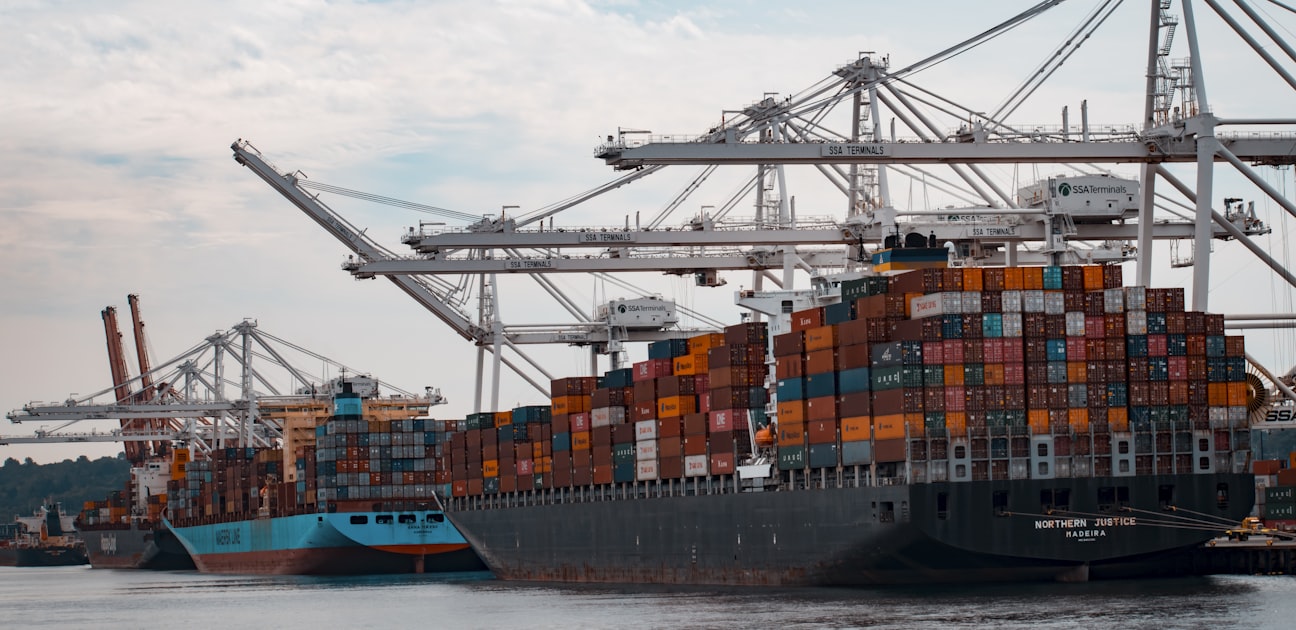
Trade between Armenia and Azerbaijan is growing at an unprecedented rate, with both governments deliberately routing commerce through Georgian territory as part of a broader strategy to loosen Moscow's economic grip on the South Caucasus. The shift represents one of the most significant commercial realignments in the region since the collapse of the Soviet Union.
Between December 2025 and March 2026, Azerbaijan sent several fuel shipments to Armenia by rail via Georgia, marking a dramatic change from years of complete economic isolation between the two neighbors. The two sides have exchanged lists of goods as part of efforts to normalize economic relations and advance bilateral trade, according to Radio Free Europe/Radio Liberty.
The trade flows through Georgian rail infrastructure are expanding rapidly beyond energy products. Azerbaijan is now serving as a transit route for wheat from Kazakhstan and Russia, delivering grain to Armenian buyers who previously had fewer routing options. This diversification of supply chains is particularly significant for Armenia, which has historically depended on Russian and Iranian corridors for essential goods.
President Aliyev has lifted a long-standing ban on transit to and from Armenia via third countries, a move that economists say could reshape logistics networks across the region. The policy change opens the door for Armenian exporters to access Azerbaijani and Turkish markets through Georgia, potentially reducing transportation costs by 15-20 percent compared to existing northern routes through Russia.
The economic implications are substantial. Armenia's foreign and mutual trade turnover increased by 9.3 percent in January-February 2026 compared to the same period last year, reaching over $3 billion. Analysts at the New Eastern Europe research center note that peace dividends are finally beginning to materialize in tangible economic gains.
The IMF has weighed in on the potential impact, suggesting that a comprehensive peace agreement could lead to the emergence of new trade routes that would attract significantly more foreign investment to both countries. The fund projects that normalized relations could add 0.5 to 1.0 percentage points to annual GDP growth in both Armenia and Azerbaijan over the medium term.
However, challenges remain. Border infrastructure between the two countries is virtually nonexistent after decades of conflict, and building customs facilities, road connections, and rail links will require billions of dollars in investment. International financial institutions including the World Bank and EBRD have signaled readiness to support infrastructure development once a formal peace treaty is signed.